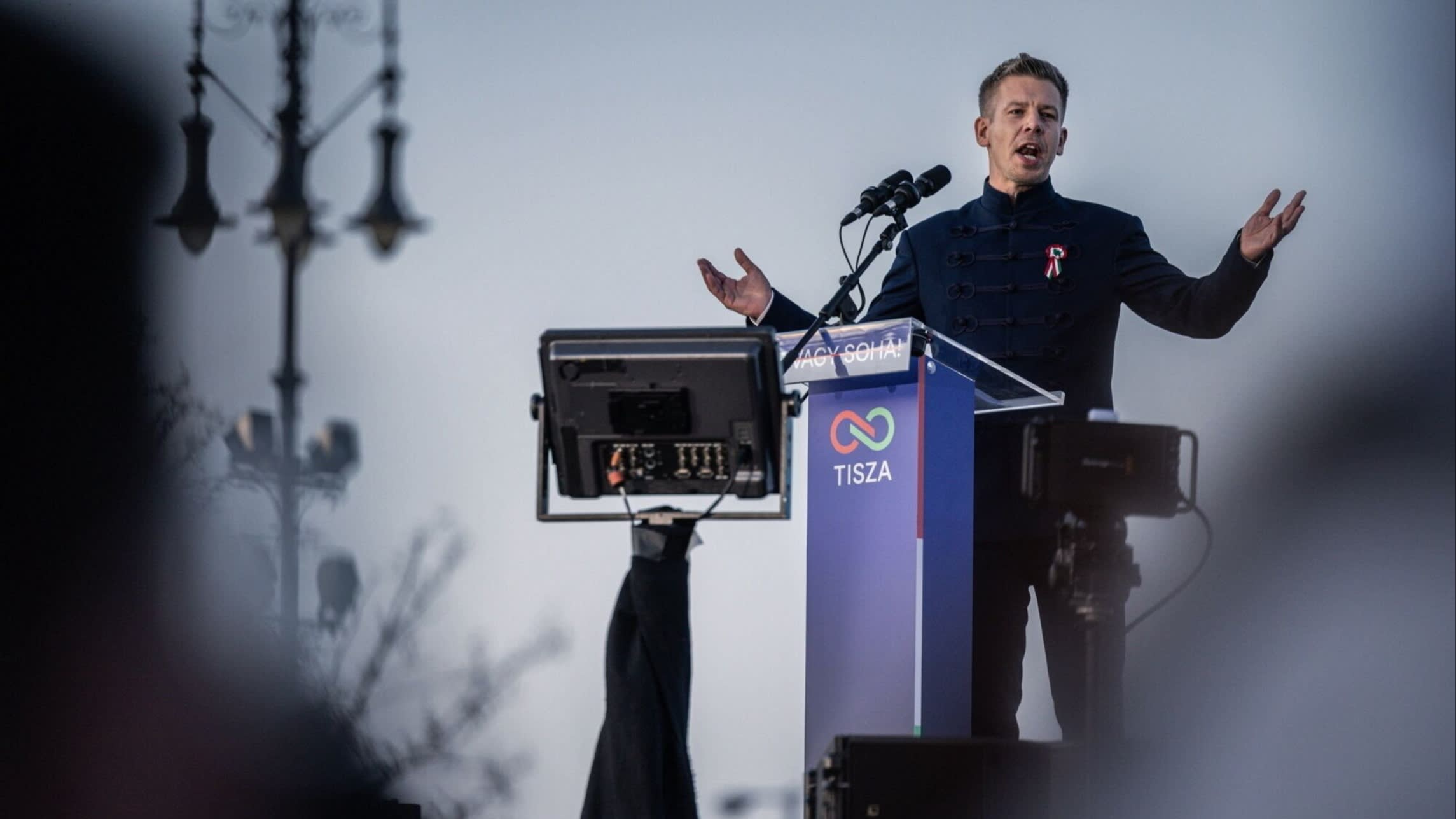

The April12 Hungarian election, in which a former ally now leads a coalition threatening to displace Prime Minister Viktor Orbán, signals a decisive realignment of Central European politics. For sovereign wealth managers in the Middle East and North Africa, this shift introduces renewed uncertainty around EU fiscal directives and trade accords that directly affect capital deployment strategies. The realignment may curtail or recalibrate traditional EU funding streams that have historically underpinned cross‑border infrastructure financing, prompting MENA investors to reassess risk premia tied to EU‑centric projects.
From a sovereign‑capital perspective, the political upheaval could accelerate the reallocation of European public‑sector funds toward alternative financing vehicles, including green bonds and development‑stage infrastructure funds. MENA sovereign funds, long positioned to co‑invest in EU‑linked megaprojects, may encounter tighter screening criteria and a more fragmented political landscape, prompting a pivot toward private‑sector partnerships and hybrid financing structures that emphasize sovereign guarantees and localized risk mitigation.
Venture‑capital dynamics are likewise poised for transformation, as the emergent Hungarian administration’s stance on digital sovereignty and data localisation could influence regulatory convergence across the broader European bloc. This regulatory drift may open opportunities for MENA‑based VC firms to leverage differentiated tech ecosystems—particularly in fintech and AI—while seeking co‑investments that benefit from the EU’s shifting capital pipelines. Moreover, the reshaping of EU‑MENA cooperation frameworks may spur the creation of cross‑border venture funds that bridge the gap between European venture ecosystems and emerging markets in the Gulf and North Africa.
Long‑term infrastructure implications hinge on the durability of the new political order and its appetite for foreign direct investment. Should the coalition consolidate power, we can anticipate a more selective approach to large‑scale energy, logistics, and digital infrastructure projects, with heightened emphasis on strategic partnerships that deliver tangible economic spillovers. For MENA investors, this underscores the necessity of embedding flexible governance clauses and adaptive financing mechanisms within project agreements, ensuring resilience against potential policy reversals while capitalising on emerging windows of opportunity in a rapidly evolving geopolitical environment.