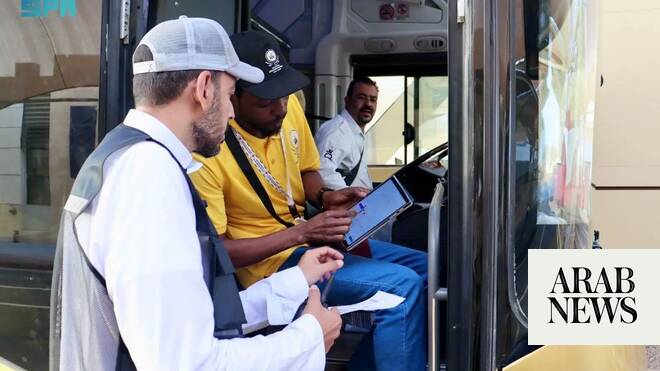

The Kingdom of Saudi Arabia’s proactive approach to Hajj 2026 preparations, spearheaded by the Royal Commission for Makkah City and Holy Sites (RCMC), underscores a strategic commitment to enhancing operational efficiency and the pilgrim experience. A recent initiative by the Makkah Chamber of Commerce, in collaboration with the coordinating council for international pilgrim transportation, exemplifies this strategy. The launch of a seasonal employment program focusing on bus guides represents a targeted effort to bolster Saudi national participation in the Hajj transportation sector. This move carries significant implications for both sovereign capital allocation and the development of a skilled domestic workforce capable of managing the increased logistical demands of future Hajj seasons. By prioritizing Saudization within this critical service, the Kingdom aims to reduce reliance on foreign labor and cultivate long-term human capital within a vital sector.
The economic impact of this program extends beyond labor market dynamics. Hajj generates substantial revenue for the Saudi economy, and optimizing pilgrim movement is intrinsically linked to maximizing economic benefit. Investing in training and employment opportunities for Saudi nationals directly contributes to the Kingdom’s Vision 2030 agenda, particularly its focus on developing human capital and diversifying the economy. While the program’s direct financial investment may appear modest, its multiplier effect within the tourism and hospitality sectors is considerable. Moreover, the program’s integration with international airline partnerships, exemplified by the planned flight from Pakistan, indicates a broader strategy of leveraging existing international transportation networks. Success here could serve as a model for future partnerships aimed at optimizing pilgrim flow from key source markets, ultimately enhancing the Kingdom’s return on investment in religious tourism.
The program’s operational framework, emphasizing organizational rigor and safety protocols, is crucial for maintaining the integrity and reputation of the Hajj pilgrimage. The development of an “integrated operational system” reflects a sophisticated understanding of the logistical complexities involved. This translates into tangible business implications for technology providers specializing in logistics management, transportation tracking, and pilgrim services. Further investment in these areas will be required to support the projected increase in Hajj participants expected by 2026. Furthermore, successful implementation of this initiative, along with other RCMC projects, will encourage further sovereign capital allocation into technology innovations designed to improve pilgrim safety and efficiency – a priority for both the Kingdom and international stakeholders.
Beyond the immediate operational benefits, the Makkah Chamber’s initiative reinforces the growing importance of venture capital investment in the MENA region’s travel and tourism technology sector. The demand for innovative solutions in pilgrim management, encompassing digital ticketing, real-time tracking, and personalized pilgrim services, creates a fertile ground for investment. The Hajj, with its massive scale and logistical intricacies, presents a compelling case study for companies developing and deploying advanced technological solutions. The program’s success will likely catalyze further investment and innovation within the sector, creating new business opportunities and contributing to the regional digital economy. Ultimately, the program serves as a microcosm of the broader economic transformation underway in Saudi Arabia, leveraging religious observance as a catalyst for technological advancement and human capital development.