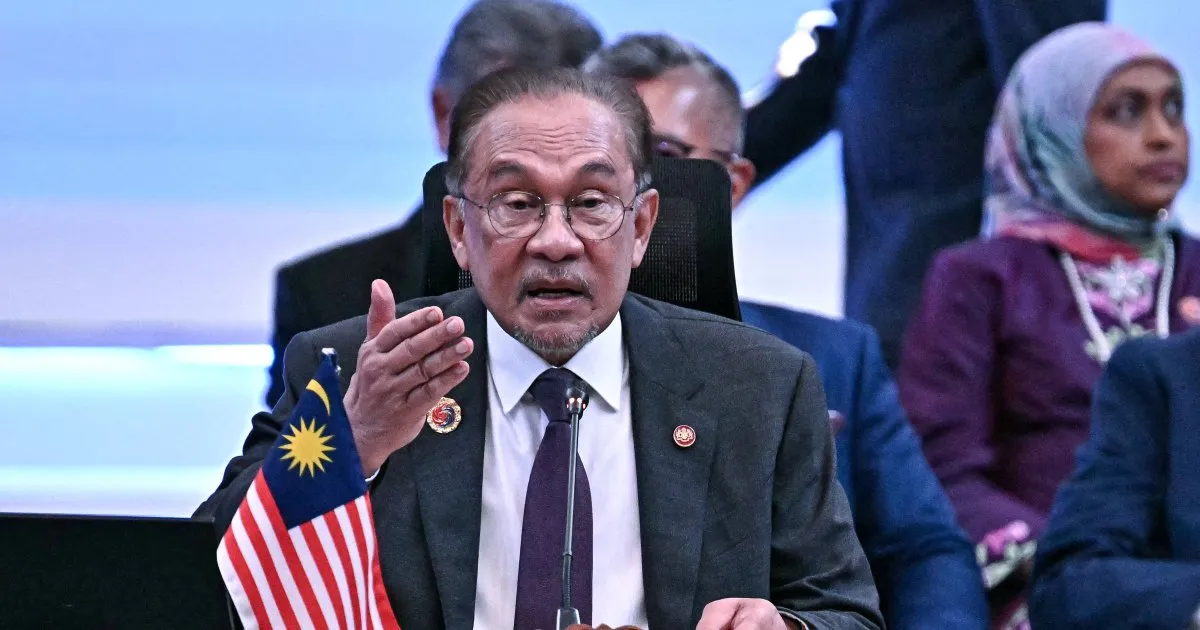

The unilateral authorization byTehran for Malaysian maritime passage through the Strait of Hormuz, a critical artery for global energy, represents a significant strategic maneuver with profound implications for regional energy security and sovereign capital management within the Middle East and North Africa (MENA). This development underscores Iran’s continued assertion of control over a vital strategic chokepoint, directly challenging the existing international order and highlighting the vulnerability of global energy supplies to regional geopolitical volatility. The move, occurring against the backdrop of the ongoing conflict involving the United States and Israel, forces a recalibration of energy risk assessments and supply chain resilience strategies for MENA sovereign entities and international corporations alike. It amplifies the imperative for robust sovereign capital deployment towards securing alternative energy corridors and enhancing domestic energy infrastructure within the region, mitigating dependence on a single, strategically contested waterway.
Concurrently, this incident exerts tangible pressure on sovereign wealth funds (SWFs) and national oil companies (NOCs) across the MENA basin to strategically reassess investment priorities. The global energy crunch, exacerbated by Iran’s actions, accelerates capital flows into sovereign energy security projects, particularly those involving strategic reserves, diversified export routes (such as the East-West Pipeline expansion and potential trans-Gulf routes), and the development of indigenous energy capacity. Furthermore, it presents a unique, albeit complex, opportunity for venture capital focused on energy technology innovation. Investments in advanced grid management, hydrogen and carbon capture technologies, and smart infrastructure solutions gain heightened urgency as MENA nations seek to insulate their economies from both price volatility and geopolitical chokepoints, leveraging sovereign capital to de-risk and scale promising ventures.
The potential establishment of a toll system by the Iranian parliament within the strait, coupled with reports of substantial passage fees, introduces a new layer of fiscal risk for energy transportation, fundamentally altering the cost-benefit calculus for commodity movement and trade finance. This development necessitates significant investment in alternative infrastructure – such as expanded LNG terminals, refined product pipelines, and optimized maritime routes – to circumvent the strait. Such investments represent a critical sovereign capital deployment challenge, demanding long-term strategic planning and collaboration between governments, SWFs, and international partners to enhance regional energy resilience and maintain export competitiveness, thereby reinforcing the strategic importance of sovereign capital in shaping the MENA energy landscape.