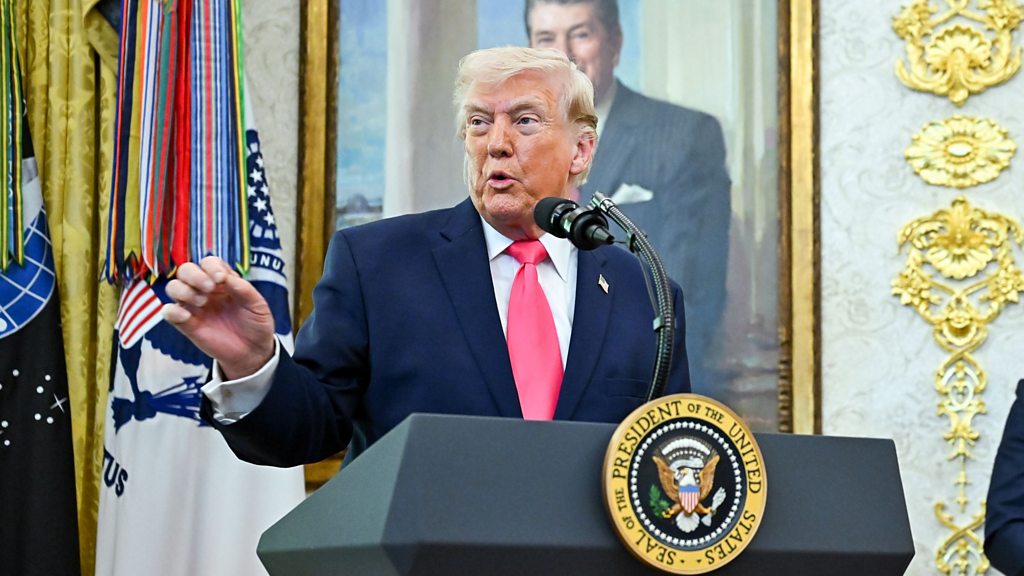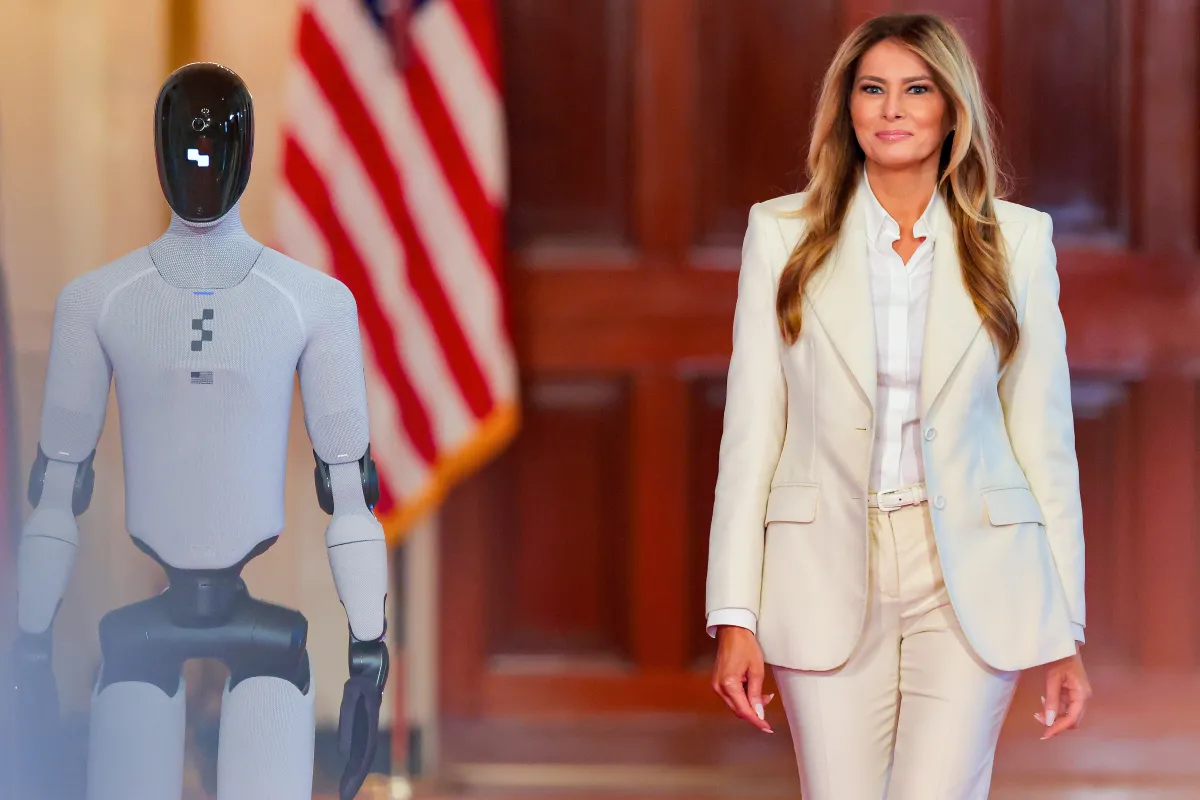

Melania Trump’s avant-garde endorsement of AI-driven education at the White House, featuring Figure AI’s humanoid robot Plato, underscores a pivotal shift in the global edtech landscape with profound implications for the Middle East and North Africa (MENA). While the event’s theatricality may seem hyperbolic, it reflects a strategic realignment of education as a vector for technological sovereignty and economic competitiveness. The summit’s emphasis on “empowering children through educational technology” signals a growing consensus among global leaders that AI integration is not merely a supplement to traditional pedagogy but a prerequisite for cultivating a workforce capable of thriving in an increasingly automated, data-driven economy. For MENA, a region historically constrained by underdeveloped educational infrastructure and limited access to cutting-edge innovation, this discourse carries weight as sovereign nations seek to leverage technology to bridge skills gaps and attract high-value investment. The mention of Alpha School’s AI-first model—where roles such as “teacher” are increasingly automated—highlights a paradox: while such models promise scalability and cost efficiency, they also risk exacerbating regional inequalities if sovereign capital is not strategically directed toward equitable digital infrastructure.
The business and venture capital implications of this paradigm are particularly stark. Figure AI’s partnership with the Trump administration exemplifies the convergence of corporate innovation and state-led initiatives, a trend likely to accelerate in MENA as sovereign wealth funds and diaspora investors seek to align portfolios with disruptive tech narratives. The alpha school model, backed by Silicon Valley elites, mirrors the region’s growing venture capital appetite for EdTech startups, yet the MENA context demands nuanced adaptation. Unlike the U.S., where venture capitalists can pivot between sectors with relative ease, MENA’s venture ecosystem is fragmented, with limited domestic capital and reliance on foreign investment. This makes the alignment of global AI-driven education trends with regional infrastructure development—such as expanded 5G networks, data centers, and cybersecurity frameworks—a critical priority. The First Lady’s “Fostering the Future Together” summit, by positioning the U.S. as a hub for AI education innovation, inadvertently elevates MENA’s strategic importance in a broader geopolitical tech race, where sovereign capital flows into both technology export and digital transformation.
Regionally, the implications extend beyond direct investment. The administration’s push for AI educators like Plato reflects a broader ideological battle over the role of technology in shaping the future of work and governance. For MENA, this necessitates a recalibration of sovereign capital allocation: investments in national AI frameworks, digital public infrastructure, and STEM education must be prioritized to avoid dependency on external tech monopolies. The absence of a cohesive regional approach to EdTech could leave MENA vulnerable to brain drain and dependency on foreign systems, diluting local innovation. Conversely, strategic investments in cross-border data hubs and AI research centers could position the region as a low-cost but high-impact hub for global education technology. However, this requires coordinated policy frameworks and sustained venture capital support, which remain elusive in many MENA economies. The risk of fragmented regulatory environments and inconsistent funding could hinder the scalability of AI-driven education models, particularly in conflict-affected or resource-constrained nations.
Ultimately, the White House’s theatrical endorsement of AI education is not merely a symbol of technological optimism but a geopolitical statement with tangible implications for MENA’s economic trajectory. The region’s ability to harness sovereign capital for infrastructure and venture capital for localized innovation will determine whether it can transition from a peripheral player in the global tech ecosystem to a competitive participant. The interplay between U.S. tech hegemony, MENA’s infrastructural gaps, and the rising influence of private capital demands a recalibration of national strategies to ensure that AI-driven education does not deepen regional inequities but instead catalyzes a new era of inclusive, technology-enabled growth. The coming decade will reveal whether MENA can transform these disruptions into opportunities for sovereignty and self-reliance—or succumb to the entrenchment of external dependencies.