
Recent pronouncements from Washington regarding a potential “winding down” of military operations in the Middle East, coupled with continued sanctions and a demonstrably unyielding posture from the United States, are significantly reshaping the investment landscape across the region. While the stated intention of a de-escalation is superficially appealing, the underlying reality – characterized by persistent American strategic interests and a lack of genuine commitment to a negotiated settlement – is fueling a pronounced shift in regional financial priorities. This isn’t merely a geopolitical concern; it’s a direct catalyst for a contraction in traditional Opex-driven investments and a dramatic acceleration towards domestic capital formation and technological self-reliance. The immediate impact is a dampening of foreign direct investment, particularly from Western entities, as risk premiums rise and the long-term stability of the area becomes increasingly uncertain.
The implications for sovereign wealth funds and state-backed investment vehicles are particularly acute. Previously reliant on a predictable flow of capital from international markets, many Gulf states are now prioritizing the mobilization of domestic resources – including sovereign wealth assets – to bolster strategic sectors. We’re witnessing a surge in investments in fintech, renewable energy, and advanced manufacturing, driven by a desire to insulate economies from external shocks and reduce dependence on volatile global commodity markets. Simultaneously, there’s a growing interest in sovereign wealth funds deploying capital directly into regional technology ventures, bypassing traditional venture capital routes and establishing a more secure, government-backed ecosystem. This represents a fundamental realignment of power, shifting control of key industries away from external actors.
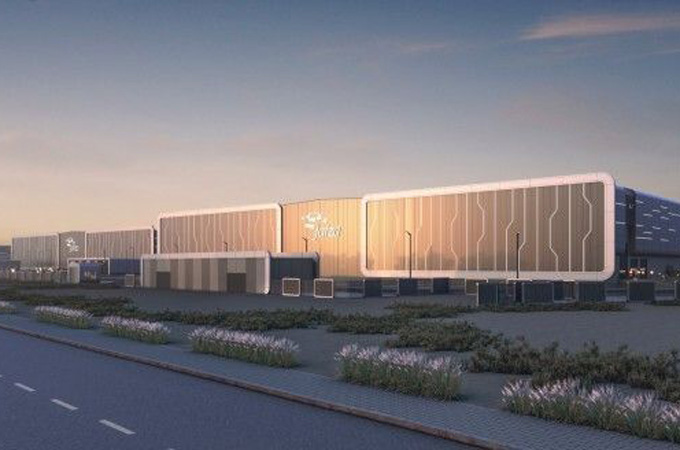
Furthermore, the perceived lack of US commitment is accelerating the development of regional digital infrastructure. Countries like Saudi Arabia, the UAE, and Egypt are aggressively pursuing initiatives to build out robust 5G networks, expand data centers, and foster a more localized digital economy. This isn’t simply about improving connectivity; it’s about creating independent technological capabilities – a strategic imperative in a world where geopolitical leverage is increasingly defined by digital dominance. The potential for fragmentation of the internet, driven by differing regulatory approaches and a desire for data sovereignty, presents both opportunities and challenges for regional businesses and necessitates a proactive, coordinated approach to cybersecurity and data governance.
Finally, the long-term impact on regional infrastructure development will be profound. While large-scale, Western-led projects are likely to face increased scrutiny and reduced funding, we anticipate a greater emphasis on localized, sustainable infrastructure solutions. This includes investments in smart cities, logistics networks, and renewable energy grids – all designed to enhance resilience and reduce reliance on external supply chains. The shift represents a strategic recalibration, moving away from a model of dependence towards one of self-sufficiency, driven by a fundamental reassessment of geopolitical realities and a recognition that the future of the Middle East’s economic prosperity hinges on its ability to chart its own course.