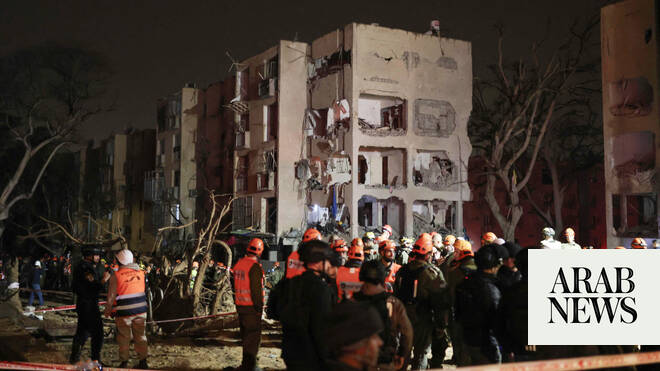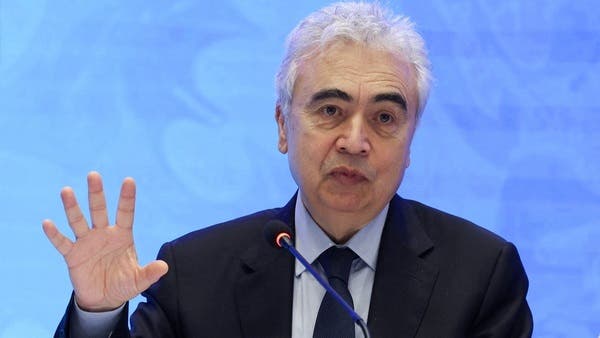

The escalating conflict in the Middle East is rapidly evolving into a significant macroeconomic risk for the region and the global energy market, according to assessments from the International Energy Agency (IEA). Preliminary data indicates that at least forty energy assets – encompassing oil and gas infrastructure – have sustained severe damage across nine nations, a cumulative impact exceeding the combined disruption caused by the 1970s oil shocks and the recent Russia-Ukraine war. This deterioration directly threatens regional energy security and underscores the vulnerability of established supply chains, demanding immediate and coordinated responses from sovereign entities and international partners.
The immediate business impact is substantial. Beyond the direct costs of repair and reconstruction, the disruption to production and transportation will inevitably drive up energy prices, exacerbating inflationary pressures globally. Furthermore, the heightened geopolitical uncertainty is triggering a surge in venture capital activity focused on alternative energy sources and localized energy production within the MENA region. Sovereign wealth funds, traditionally reliant on hydrocarbon revenues, are now aggressively diversifying their portfolios, channeling capital into renewable energy projects and digital infrastructure – a strategic shift reflecting a recognition of long-term resilience. The potential for further escalation necessitates a rapid reassessment of investment strategies and a prioritization of energy independence.
Crucially, the situation at the Strait of Hormuz, coupled with the recent escalation of hostilities, is prompting a renewed examination of sovereign capital deployment. The IEA’s consideration of releasing strategic oil reserves, alongside potential discussions with European and Asian governments, highlights the potential for coordinated intervention to mitigate immediate market volatility. However, the long-term solution requires substantial investment in regional infrastructure – specifically, bolstering port capacity, upgrading pipeline networks, and developing localized energy storage capabilities. Without such investments, the region risks becoming increasingly reliant on external sources, further amplifying its vulnerability to geopolitical shocks.
Finally, the threat posed by the Trump administration’s ultimatum to Iran regarding the Strait of Hormuz introduces an unprecedented level of uncertainty. The potential for a wider conflict would have catastrophic consequences for the global energy market, potentially triggering a deeper and more prolonged recession. Policymakers across the MENA region, and indeed the international community, must prioritize de-escalation and diplomatic solutions while simultaneously preparing for a protracted period of elevated risk and volatility. The coming weeks will be critical in determining the trajectory of the region and its impact on the global economy.