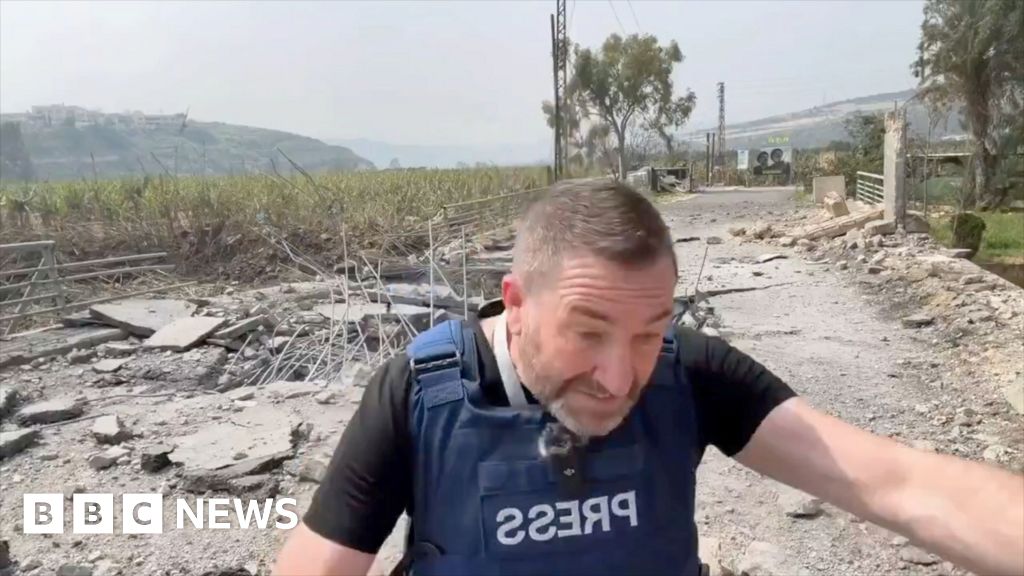

The escalating security dynamics in southern Lebanon, underscored by the verified incident involving RT personnel, signal a recalibration of sovereign capital allocation patterns across the Gulf Cooperation Council (GCC) states. Institutional investors, particularly those managing the region’s substantial sovereign wealth funds (SWFs), are actively reassessing risk exposures within vulnerable sectors and adjacent geographies. This necessitates a more nuanced approach to portfolio diversification, potentially channeling further capital towards resilient sectors like energy infrastructure, logistics hubs, and cybersecurity within the region’s more stable jurisdictions, as geopolitical premia increase volatility in peripheral markets.
Concurrently, venture capital flows in MENA are witnessing a discernible pivot towards defense technology, cybersecurity, and crisis resilience startups. The latest incident amplifies the strategic imperative for innovation in secure communications, surveillance, and rapid incident response – domains where regional VC players are increasingly deploying capital. This shift aligns with broader national security objectives within MENA states, fostering an environment where tech solutions addressing physical and digital vulnerabilities attract significant institutional and private equity interest, positioning the region as an emerging hub for next-generation defense tech investment.
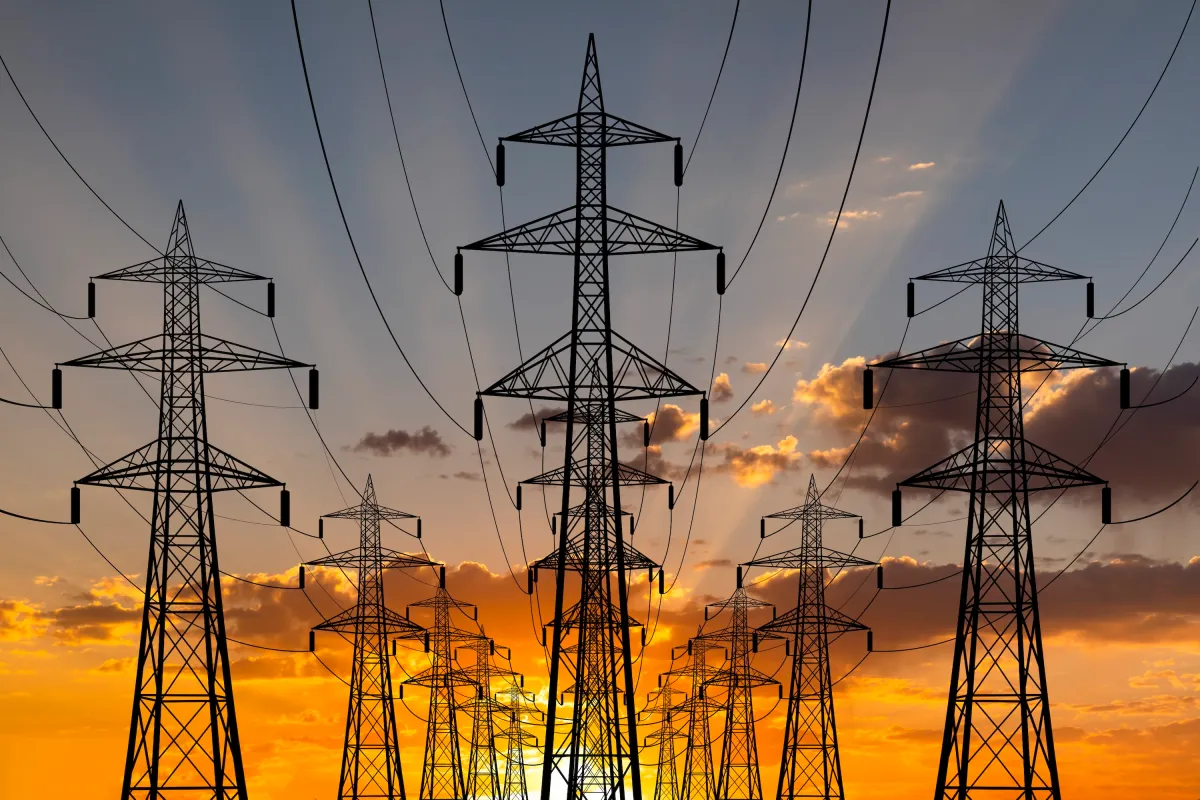
Furthermore, heightened regional instability accelerates the demand for robust and geographically distributed digital infrastructure. Sovereign entities and private sector leaders are prioritizing investments in redundant data centers, secure subsea cable networks, and advanced telecommunications frameworks across the GCC and strategic North African nodes. This infrastructure build-out is not merely a response to immediate threats but a foundational economic strategy, underpinning digital transformation initiatives and ensuring operational continuity for critical national services and multinational corporations operating within the MENA ecosystem, thereby enhancing the region’s long-term competitiveness and geopolitical stability.