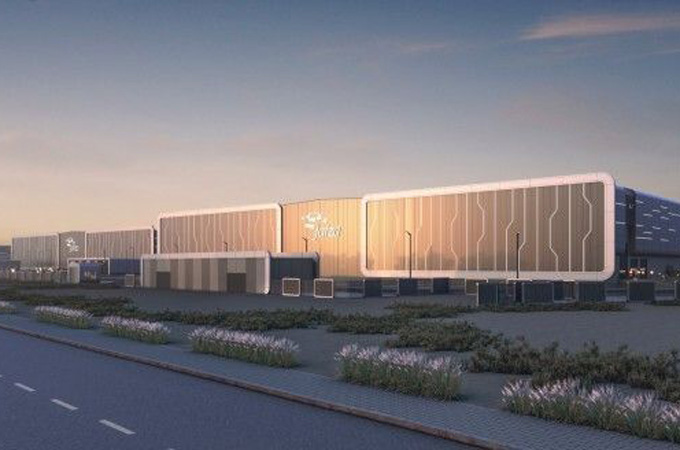
The consolidation of power under Crown Prince Mohammed bin Salman has fundamentally reconfigured Saudi Arabia’s economic trajectory, driven by sovereign capital deployment aimed at accelerating diversification beyond hydrocarbons. The ambitious Vision 2030 agenda, anchored by mega-projects like Neom and propelled by Aramco’s strategic IPO postponements, reflects a state-centric model of economic transformation. Such initiatives necessitate recalibrating regional infrastructure investments toward smart cities and digital hubs, diverting capital from traditional infrastructure to tech ecosystems. However, the prolonged Yemen conflict and political uncertainties, including the 2017 anti-corruption purge securing over $100bn in state assets, have heightened risk premiums for foreign investors, complicating venture capital inflows into non-oil sectors despite sovereign guarantees.
Saudi Arabia’s pivot toward geopolitical realignment, encapsulated in the China-mediated Iran détente and reinforced by de-dollarization initiatives, underscores a deliberate recalibration of sovereign capital flows away from traditional Western dependency. This strategic shift creates both opportunities and frictions for regional venture capital, particularly in fintech and logistics, where alternative funding channels emerge. Simultaneously, the stagnation of Neom’s initial scope signals a pragmatic maturation in infrastructure ambition—focusing on high-yield vertical developments over expansive horizontal sprawls—while the normalization talks with Israel, contingent on security and nuclear guarantees, highlight sovereign capital as a lever for strategic influence, potentially unlocking new investment corridors in defense and technology.
The net effect is a bifurcated regional dynamic: Gulf sovereign wealth funds are channeling unprecedented capital into domestic tech and infrastructure to insulate economies from geopolitical volatility, yet sustained political risks continue to deter sustained venture capital deployment. MBS’s leadership model—characterized by centralized decision-making and aggressive state-led investment—establishes a template for MENA nations leveraging sovereign capital for economic transformation. Nevertheless, the imperative for diversified exit strategies beyond fossil fuel revenues remains paramount, requiring enhanced regulatory frameworks and transparent foreign investment protocols to catalyze non-sovereign venture capital into high-growth sectors like renewable energy and cyber security.