
The recent meteorological events observed over Abu Dhabi, specifically the storm impacting the Sheikh Zayed Grand Mosque, serve as a tangible reminder of the region’s vulnerability and the critical importance of robust infrastructure resilience. In the MENA context, such weather phenomena underscore the substantial investments required to maintain operational continuity and protect sovereign assets. The region’s sovereign wealth funds and strategic sovereign capital, traditionally focused on long-term diversification away from hydrocarbons, are increasingly allocating resources towards climate-resilient infrastructure and advanced technological solutions. This shift reflects a broader recognition of the tangible business impact from environmental vulnerabilities, necessitating substantial capital deployment to safeguard national economies and international standing.
Concurrently, the MENA venture capital ecosystem is experiencing heightened activity, driven by sovereign capital injections and private institutional interest, targeting innovations in infrastructure resilience, renewable energy, and digital transformation. Sovereign entities, leveraging their substantial balance sheets and strategic mandates, are playing a pivotal role in de-risking early-stage ventures, particularly those addressing critical regional challenges like water scarcity, sustainable urban development, and enhanced energy efficiency. This convergence of sovereign capital and venture funding is accelerating the maturation of the regional startup landscape, fostering the growth of scale-ups poised to benefit from both domestic demand and international export opportunities, thereby amplifying the impact of regional infrastructure initiatives.
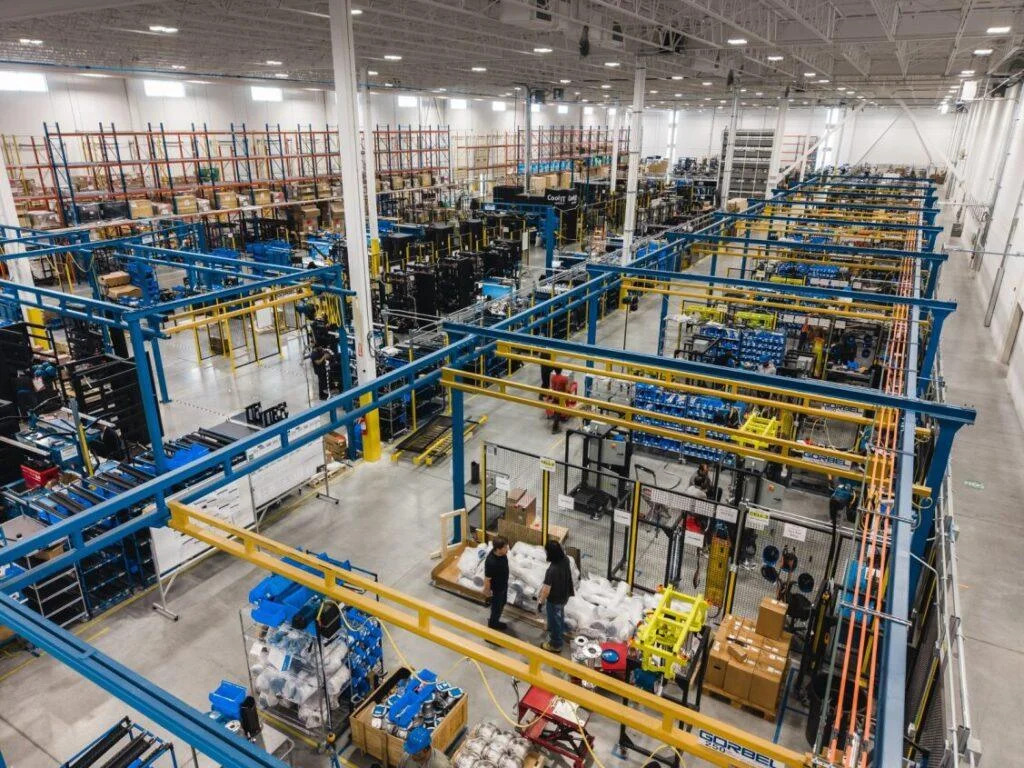
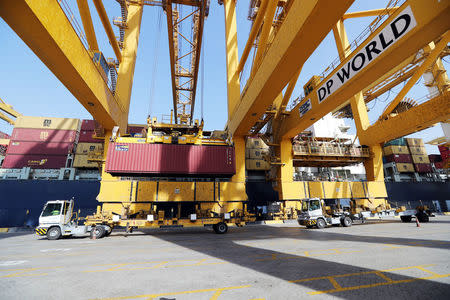
The business implications of enhanced infrastructure resilience extend far beyond physical protection. A robust, climate-adaptive infrastructure network directly supports economic competitiveness by ensuring uninterrupted supply chains, reliable energy and water supply for industries and populations, and the seamless operation of key financial and commercial hubs. This, in turn, attracts foreign direct investment and strengthens the business case for continued sovereign and venture capital deployment. The strategic imperative is clear: sustained investment in resilient infrastructure is not merely an adaptation cost but a fundamental driver of long-term economic stability and growth across the Middle East and North Africa, shaping the region’s future trajectory.