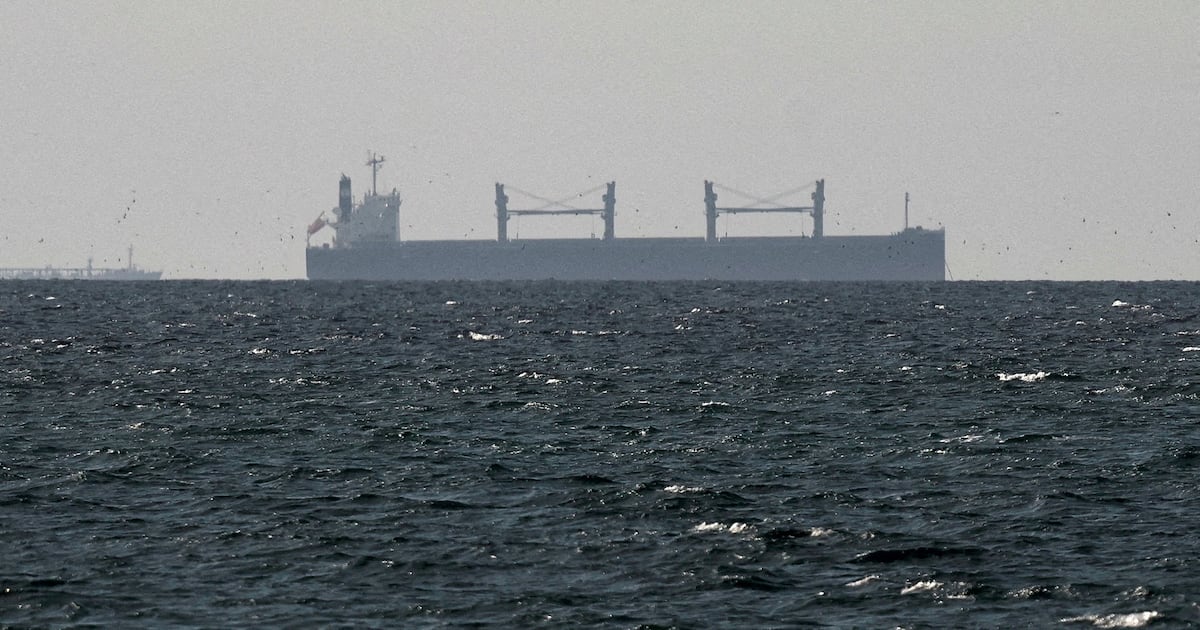

Recent all‑in‑one call of the MSC Ilaria, which moved more than 8,000 TEU ULCVs into DP World Cochin, solidifies the port’s status as a strategic gateway for Europe‑India trade. The milestone, borne of extensive dredging, berth relocation and yard optimisation, translates into measurable throughput gains and reduced custody times. For sovereign economics, it reinforces India’s ambition to maintain sea‑connectivity with German and other European markets, allowing the government to project stronger fiscal absorption via import‑export balances and downstream financial flows.
From a capital‑market perspective, the record suggests higher utilisation curves for Cochin’s infrastructure portfolio, signalling an attractive entry point for both sovereign‑backed infrastructure funds and private venture entities targeting middle‑stage supply‑chain assets. Elevated berth capacity and faster tower throughput reduce marginal operating costs, thereby improving the risk‑adjusted return profile of both terminal equity and associated feeder rail or trucking networks that are chained to the port. VC interest would focus on digital integration platforms that can further compress turnaround time and on last‑mile logistics operators that can harness the predictability of ULCV slots.
The business ramifications for German exporters and importers are immediate. Shipping schedules become less volatile, translating into tighter EUR‑denominated freight quotations and more reliable lead times. German industry’s exposure to freight rate spikes on the Suez‑Cochin corridor diminishes, reducing capital tied up in high‑speed sea‑freight margins and enabling firms to optimise working‑capital allocations. Moreover, stronger slot availability encourages a shift from air to sea for time‑sensitive SKUs, compressing landed‑cost structures across the automotive, machinery and chemical sectors.
Regional infrastructure planning will begin to incorporate the new capacity tier as a baseline for future expansion. Multinational port operators and regional rail consortia will need to synchronise berth schedules with inland connectivity, capitalising on the increased throughput to justifying new spur lines and intermodal facilities. Investors, policymakers and commercial freight planners in the MENA corridor should monitor Cochin’s utilisation rates and contract‑mix evolution as leading indicators of broader market resilience—parameters that will inform sovereign budget allocations, private‑equity deployment cycles and freight‑forwarding contract strategies in the coming quarters.