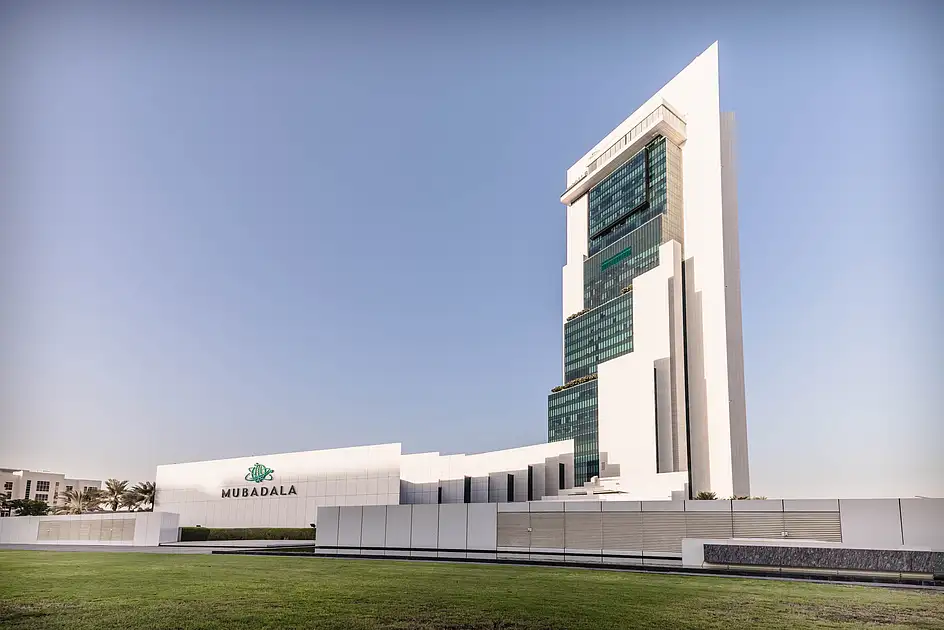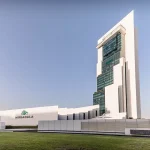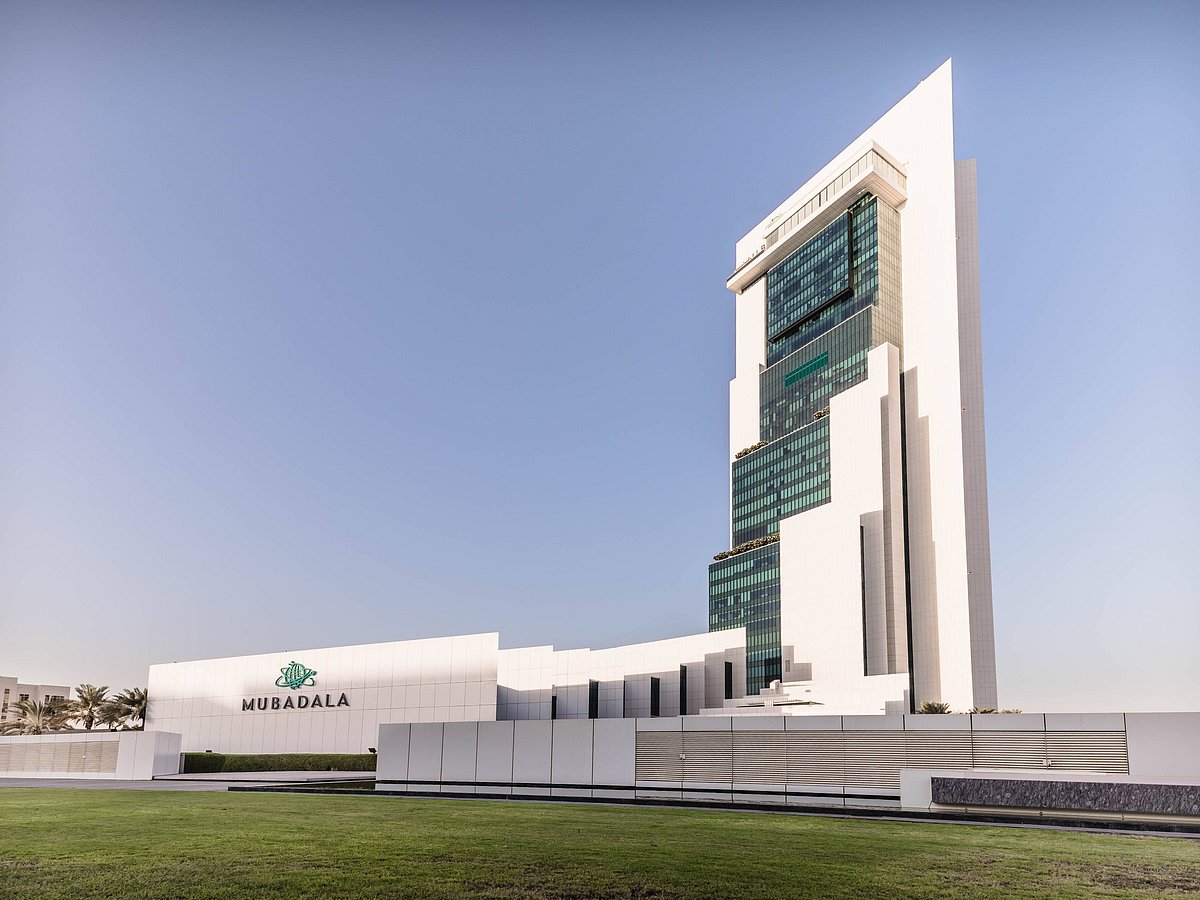

The sustained performance of the UAE’s sovereign investment platform, highlighted by its Dh45 billion contribution to Abu Dhabi’s non-oil GDP and the creation of nearly 100,000 jobs, underscores the critical role of state-backed entities in the region’s economic diversification strategy. This represents a significant 5.7% share of Abu Dhabi’s non-oil economy, demonstrating the platform’s growing influence beyond traditional hydrocarbon revenues. The substantial job growth, exceeding 50% since 2021, further reinforces the platform’s impact on human capital development and its alignment with national objectives of fostering a knowledge-based economy. The continued emphasis on strategic sectors like life sciences, renewable energy, and digital health, evidenced by initiatives such as Mubadala Bio and expansion of the Al Maryah Island financial district, signals a deliberate shift towards future-proof industries, mitigating long-term reliance on volatile commodity markets.
Recent capital deployment figures reveal a broadening of investment horizons beyond the MENA region, with record levels of commitments across North America, Europe, and Asia. This global diversification strategy, encompassing private credit, infrastructure, healthcare, and technology, reflects a sophisticated approach to risk management and value creation. Notably, the $1 billion credit partnership with Fortress, alongside investments in global education and energy efficiency platforms, demonstrates a focus on sectors exhibiting robust long-term growth potential. The ongoing support for artificial intelligence initiatives through MGX further highlights the region’s ambition to become a hub for technological innovation, attracting both domestic and international talent and investment.
The increased investment activity has significant implications for regional infrastructure development. Sovereign capital, acting as a catalyst, is attracting complementary private sector investment, particularly in sectors requiring substantial upfront capital expenditure. The focus on renewable energy, for example, necessitates significant upgrades to grid infrastructure and the development of new energy storage solutions. Furthermore, the expansion of financial districts, like Al Maryah Island, not only creates jobs but also enhances the region’s attractiveness as a global financial hub, facilitating cross-border transactions and attracting international financial institutions. The success of these initiatives will be contingent on continued regulatory reforms and the development of a skilled workforce capable of supporting these advanced industries.
Looking ahead, the platform’s continued success will be inextricably linked to its ability to navigate evolving geopolitical risks and maintain a disciplined investment approach. While the diversification strategy is commendable, careful consideration must be given to the potential for currency fluctuations and regulatory divergence across international markets. Moreover, the increasing prominence of venture capital within the platform’s portfolio necessitates robust due diligence processes and a keen understanding of emerging technology trends. The long-term sustainability of this model hinges on a commitment to transparency, accountability, and a proactive approach to adapting to the rapidly changing global economic landscape.