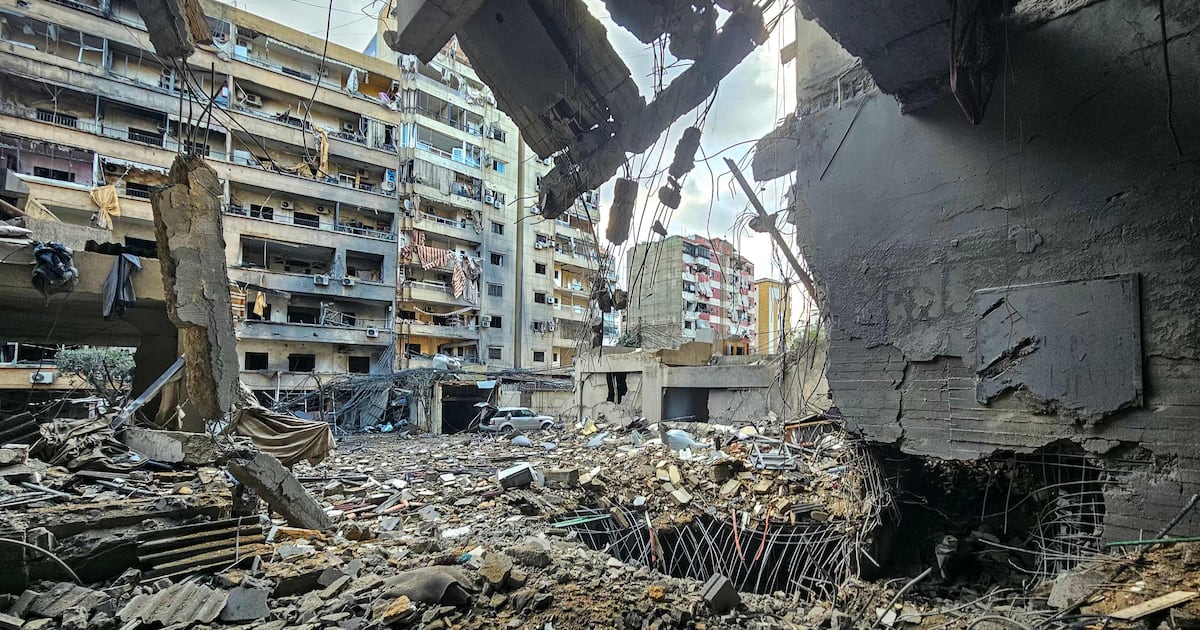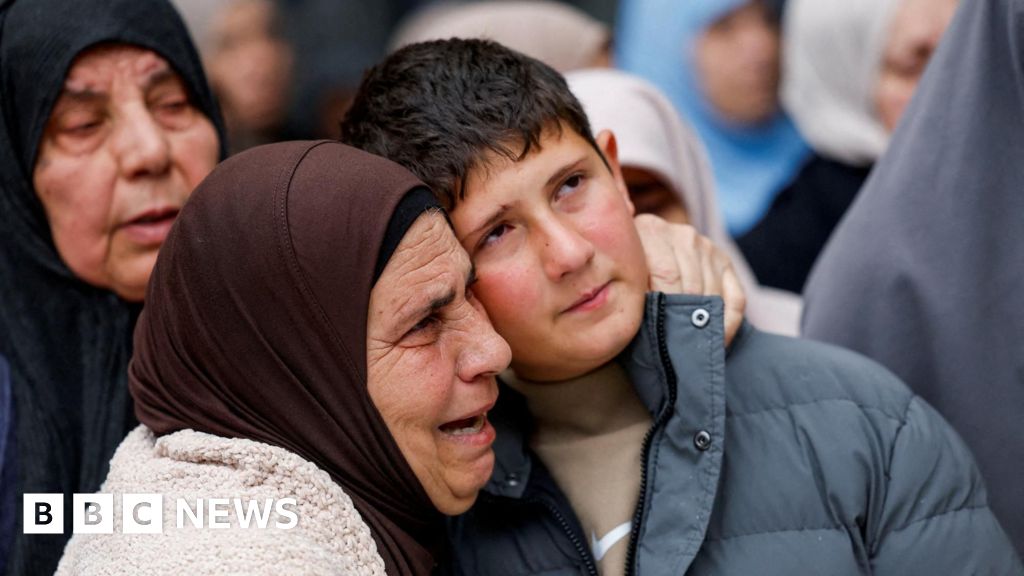

The recent escalation of violence, exemplified by the targeting of civilians in the occupied West Bank, underscores the escalating economic fallout across the Middle East and North Africa (MENA). Such incidents not only deepen humanitarian crises but jeopardize the precarious stability required for sustained investment in sovereign and private capital markets. For governments already grappling with debt restructuring challenges and geopolitical fragmentation, renewed conflict cycles exacerbate creditworthiness risks, deterring international lenders and delaying IMF program approvals. The region’s fragile recovery from pandemic-era shocks and post-conflict reconstruction efforts, such as Gaza’s 2014 devastation, faces renewed disruption, with infrastructure projects—critical to long-term growth—taking center stage as priorities for regional states to halt capital flight.
The immediate threat to sovereign capital flows is acute, as escalating violence erodes investor confidence in MENA’s fragile financial systems. Short-term volatility in oil-linked sovereign bonds is likely, given the region’s reliance on energy exports and the interconnectedness of Persian Gulf markets with West Bank hostilities. For instance, cross-border partnerships in renewable energy projects, such as Saudi Arabia’s Green Horizon initiative or Morocco’s Green Generation plan, could stall amid heightened security concerns in border regions. Meanwhile, venture capital ecosystems in Lebanon and Egypt—already strained by currency crises and political deadlock—risk further contraction as entrepreneurs divert resources to survival over innovation, stifling the proliferation of startups that once signaled the region’s tech-driven transformation.
Regional infrastructure, a linchpin for MENA’s diversification ambitions, confronts direct and indirect risks from sustained violence. Cross-border logistical networks, such as the stalled U.S.-backed rail freight corridor connecting Haifa to Eilat, or the revived Iran-Saudi trading maritime routes via Omani waters, are vulnerable to spillover tensions. Even domestically, the destruction of transportation arteries in conflict zones undermines trade competitiveness. For example, Gaza’s 2014 destruction of the Sheikh E Reconnaissance Airport—a botched attempt at a humanitarian airlift—highlighted the irrelevance of oversized infrastructure investments without security guarantees. Governments must now prioritize lease-to-operated public-private partnerships for ports, highways, and energy hubs to de-risk investments without compromising sovereignty, a model gaining traction post-Arab Spring.
The human toll of these attacks cannot be divorced from economic professionals’ assessments. Population displacement destabilizes labor markets and demand patterns, while the exodus of skilled professionals risks eroding MENA’s nascent knowledge economy. Jerusalem’s status as a contested hub for FinTech innovation—home to IDEA4ALL, a blockchain initiative backed by UAE sovereign wealth funds—now teeters on the edge of irrelevance without ceasefire frameworks. Regional policymakers must urgently integrate conflict resolution into economic diplomacy, as seen in Jordan’s 2018 pivot toward de-escalation to secure EU development grants. Without a holistic approach bridging security, capital flows, and infrastructure modernization, the MENA region’s hard-won recovery will remain hostage to recurring violence.