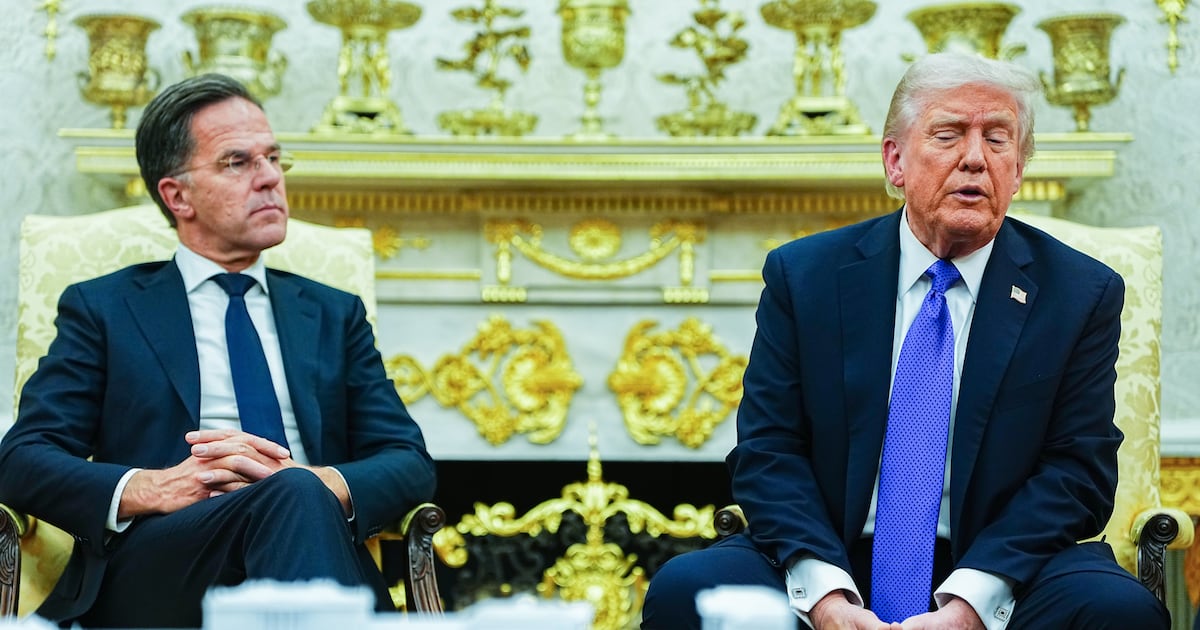

The escalating dynamics within transregional alliances necessitate a recalibration of sovereign capital allocation mechanisms, compelling MENA stakeholders to recalibrate fiscal priorities amid shifting diplomatic currents. Trump’s rhetoric underscores a paradigm shift in defense commitments, directly influencing liquidity constraints for resource-rich economies reliant on military procurement. Such volatility exacerbates risks in regional infrastructure projects, where reduced public sector investment threatens long-term connectivity and resilience, imprinting a precarious fiscal landscape upon emerging markets.
Venture capital ecosystems internalize this uncertainty, redirecting flows toward alternative regional players who may offer competitive alternative partnerships. Infrastructure initiatives critical to economic mobility endure heightened scrutiny, as investors weigh geopolitical risks against localized opportunities. Meanwhile, the absence of a unified front amplifies competition for strategic partnerships, reshaping capital deployment paradigms across the Sahel and Levant.
Structural stability predicated on existing alliance frameworks faces significant stress, exacerbating tensions that intersect with domestic policy inefficiencies. Conversely, counterbalancing movements within regional power centers may emerge, catalyzing localized economic adaptations that transcend immediate crises. The interplay herein demands coordinated recalibration to sustain development trajectories amid escalating uncertainties.
Such trajectories compel a reevaluation of regional infrastructure investments, where contingent funding allocations hinge on consensus-building prospects. The outcome will directly correlate with contemporary economic cycles, necessitating agile governance structures to mitigate cascading impacts. Centralization challenges persist, demanding stakeholder alignment to preemotionfully navigate this precarious equilibrium.