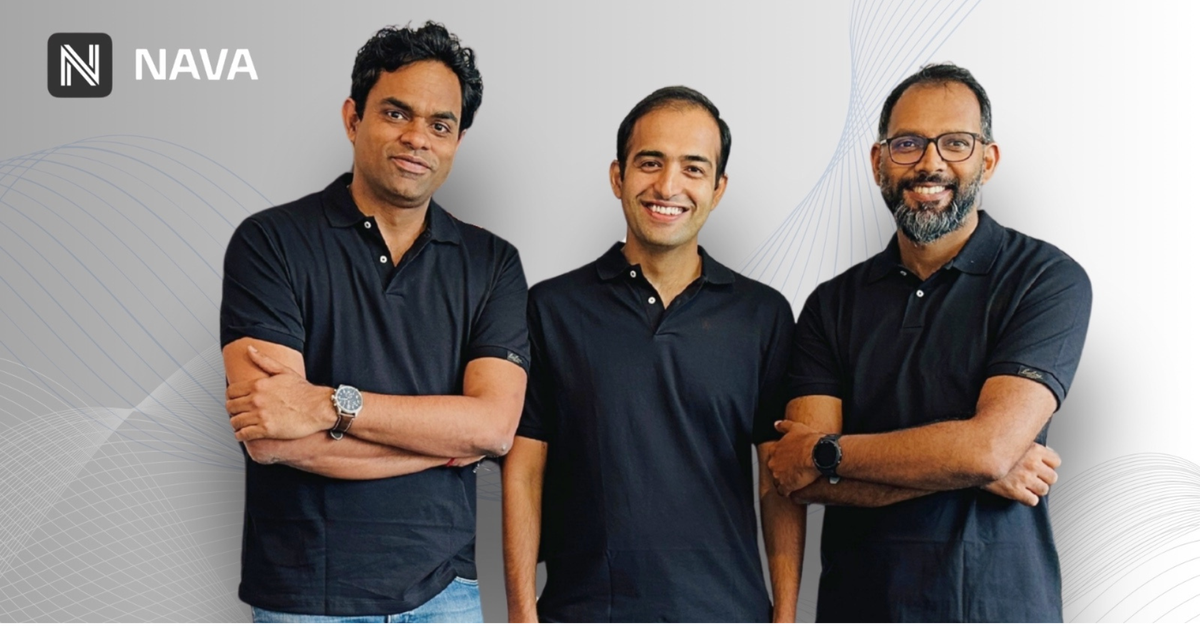

The $22 million Series A funding of APAC-based AI cloud provider Nava, led by Greenoaks Capital with participation from RTP Global and Unicorn India Ventures, underscores a critical acceleration in the global race for specialized compute infrastructure. By transitioning from a software-centric model to a full-stack “neocloud” platform offering GPU-as-a-Service and bare-metal compute, Nava is targeting the foundational layer of the AI value chain. This shift highlights a broader institutional trend: the decoupling of AI capabilities from legacy hyperscalers in favor of purpose-built, high-performance GPU fleets designed specifically for enterprise model training.
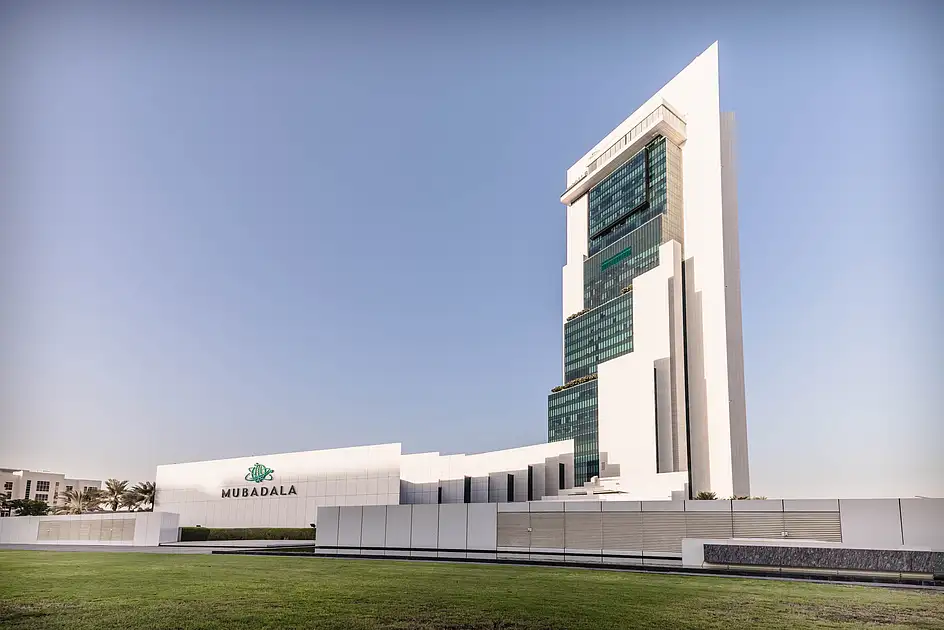
For the MENA region, Nava’s strategic pivot toward infrastructure-heavy deployments serves as a blueprint for the sovereign wealth funds (SWFs) of the Gulf, particularly Saudi Arabia’s PIF and the UAE’s Mubadala. As these nations aggressively pursue “AI Sovereignty” to reduce reliance on Western cloud monopolies, the emergence of agile, third-party GPU providers suggests a viable alternative for regional data residency and national security requirements. The Nava model validates the necessity of integrating deep-tech venture capital with heavy capital expenditure in physical data center assets—a synergy already central to the Vision 2030 and UAE AI Strategy frameworks.
The implications for regional infrastructure are significant. Nava’s relocation of its headquarters to Singapore to leverage “more mature data center deployments” mirrors the current infrastructure gap in parts of the Middle East. To attract similar high-growth AI specialists, MENA markets must continue to evolve their energy grids and cooling technologies to support the immense power density required by modern GPU clusters. Investors in the region should view this as a signal to shift focus from surface-level AI application layers toward the underlying “picks and shovels”—specifically, the bare-metal compute and GPU engineering talent required to sustain local LLM development.
Ultimately, the capitalization of neocloud providers like Nava signals a structural shift in the global technology stack. As sovereign capital in the Middle East seeks to diversify away from oil and into the digital economy, the priority will increasingly shift toward owning the compute layer. The success of such ventures in Asia likely foreshadows a surge in similar infrastructure-led AI plays across the MENA corridor, where the intersection of abundant sovereign capital and strategic geographic positioning could create a new global hub for AI compute.