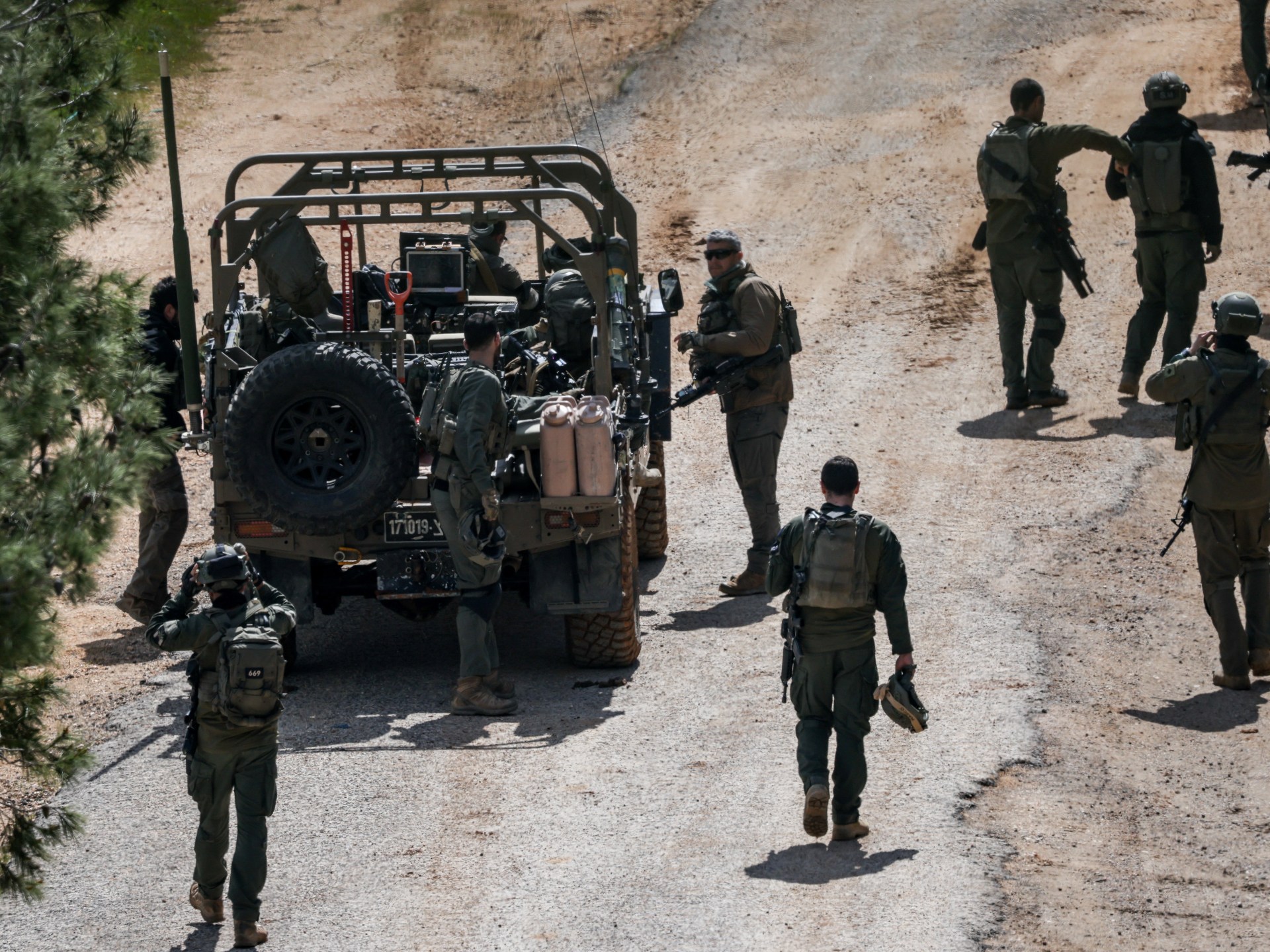

The escalating conflict between Israel and Hezbollah in southern Lebanon presents a significant and multifaceted challenge to the stability of the broader Middle East, with profound implications for regional financial markets, sovereign capital flows, and the nascent venture capital ecosystem. Prime Minister Netanyahu’s directive to expand the security buffer zone and replicate the “Gaza model” underscores a strategy predicated on sustained military engagement, a move likely to exacerbate existing economic vulnerabilities within Lebanon and potentially trigger wider regional instability. This expansion, coupled with the ongoing US-Israeli military posture, signals a protracted period of heightened risk and uncertainty.
From a business perspective, the intensification of hostilities is already disrupting critical supply chains and severely impacting Lebanon’s already fragile economy. The displacement of over 1.2 million people, as documented by the United Nations, represents a massive humanitarian crisis and a drag on economic activity. Furthermore, the loss of life – including journalists – represents a critical blow to media operations and the ability to report accurately on the conflict, hindering informed decision-making for investors. Sovereign capital flows into the region are almost certain to diminish significantly, as international investors prioritize risk mitigation and reassess exposure to countries directly involved in the conflict. The potential for further escalation necessitates a cautious approach from both regional and global investors, demanding stringent due diligence and a heightened awareness of geopolitical risks.
The venture capital landscape in the MENA region is also facing considerable headwinds. While some sectors, such as cybersecurity and defense technology, may experience a temporary boost, overall investment activity is expected to decline. The instability will undoubtedly deter foreign direct investment and limit access to capital for startups and established businesses alike. Moreover, the diversion of resources towards security and humanitarian aid will reduce the availability of funds for productive investment. Crucially, the long-term implications for infrastructure development – particularly in Lebanon – are severe, as reconstruction efforts will be indefinitely postponed, hindering economic growth and exacerbating existing deficits.
Finally, the targeting of journalists and the broader humanitarian toll underscore the urgent need for international intervention and a commitment to upholding journalistic standards in conflict zones. The Committee to Protect Journalists’ documented casualties highlight a disturbing trend of disregard for media safety, potentially undermining the ability to accurately report on the conflict and fostering a climate of fear. Sovereign wealth funds and regional financial institutions must carefully consider the reputational risks associated with continued investment in a volatile environment, while simultaneously exploring avenues to support humanitarian relief and long-term reconstruction efforts. The situation demands a coordinated, multilateral response focused not only on immediate security concerns but also on mitigating the devastating economic and social consequences of this escalating crisis.