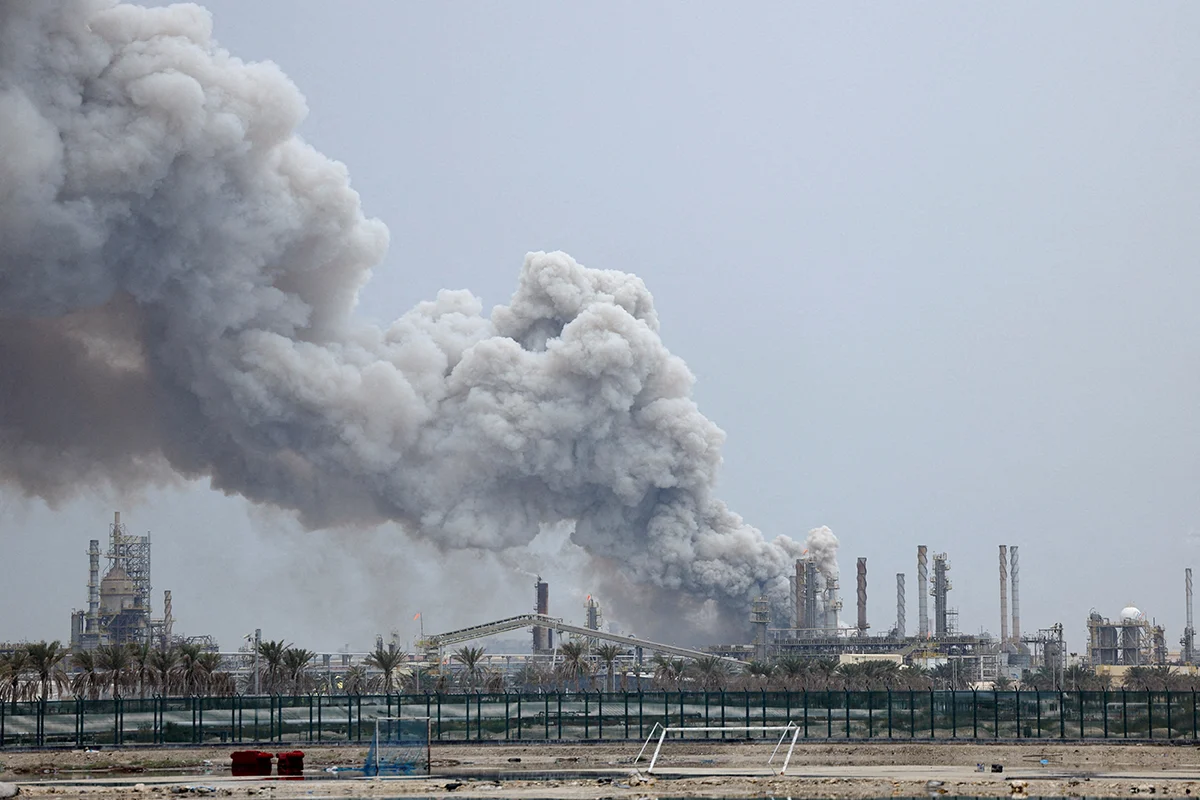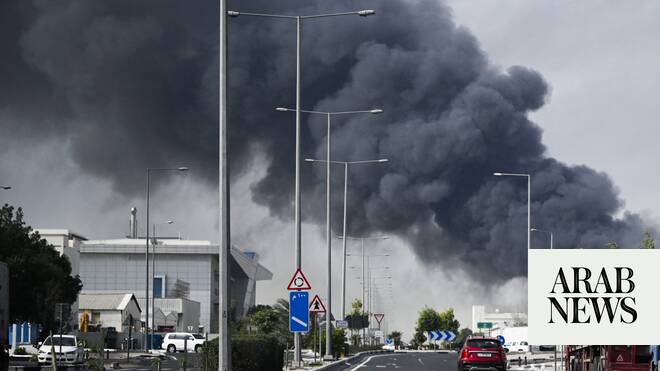

The recent US-Israel agreement to suspend strikes against Iran for two weeks represents a fragile but calculated pause in a volatile regional conflict, with profound implications for the MENA region’s financial and technological ecosystems. While the truce may offer temporary reprieve for energy markets and investor confidence, its explicit exclusion of Lebanon underscores the persistence of localized instability, which continues to erode sovereign capital flows and deter venture capital deployment across the region. Lebanon’s exclusion from the ceasefire agreement exacerbates existing sovereign debt vulnerabilities, as the country’s already strained public finances face compounded risks from prolonged cross-border hostilities. This fragmentation of regional security cooperation threatens to fragment sovereign capital markets, with regional governments likely to prioritize domestic stability over cross-border investment, further straining already limited public borrowing capacities. The absence of a unified security framework could also delay approvals for large-scale infrastructure projects, which are critical for revitalizing regional economic zones and attracting foreign direct investment.
The business impact of this protracted instability is particularly acute for venture capital ecosystems in the MENA region, where political uncertainty has historically suppressed risk appetite. Lebanon’s exclusion from the truce creates a stark contrast with the proposed Iran-Israel negotiations in Islamabad, potentially siphoning venture capital focuses toward zones perceived as safer, such as Gulf Cooperation Council (GCC) states or North African markets with more stable governance. However, this bifurcation risks concentrating capital in select hubs, crowding out innovation in less protected regions. Lebanon’s deteriorating infrastructure—a direct consequence of ongoing hostilities—also undermines its attractiveness to tech entrepreneurship, as power shortages, logistical bottlenecks, and cybersecurity concerns persist. Institutions reliant on sovereign capital mobilization, such as regional banks or sovereign wealth funds, may struggle to repatriate funds or engage in cross-border deals amid fears of retaliatory measures or renewed escalation, particularly given Hezbollah’s lingering capabilities and Iran’s strategic posturing.
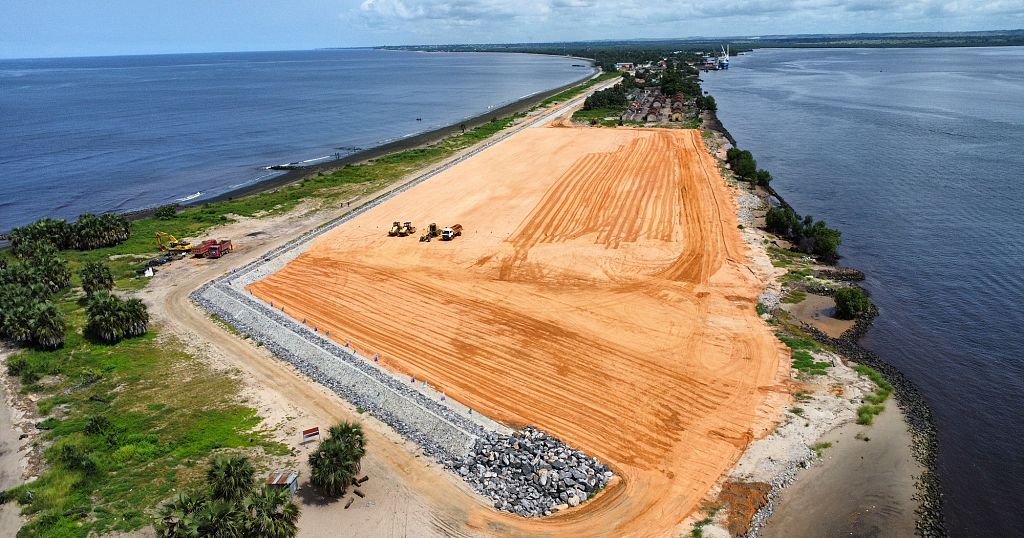
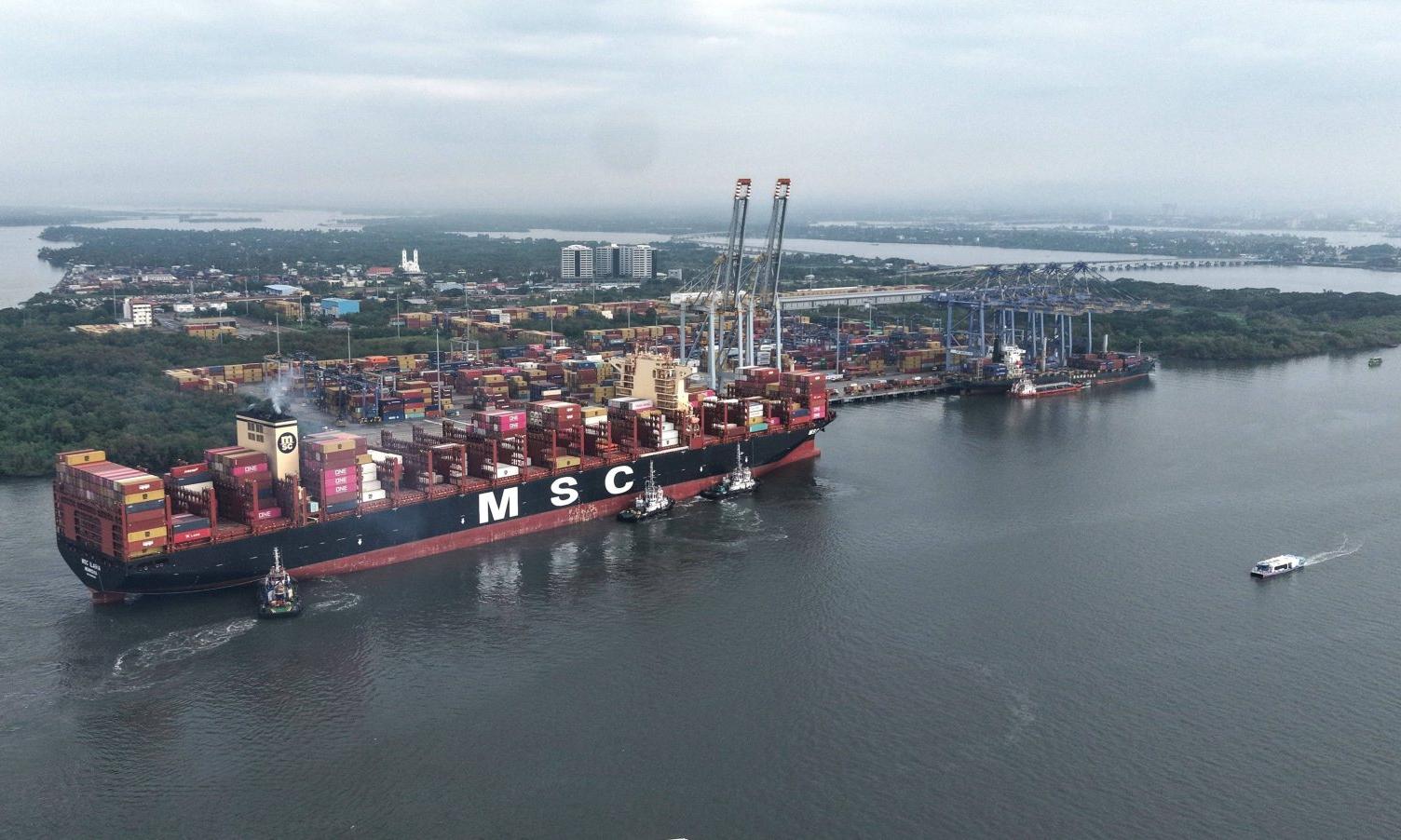
Regional infrastructure developments face an uncertain trajectory amid these dynamics. Projects tied to energy security, digital connectivity, or transborder trade corridors are likely to stall or face revised timelines, as governments allocate resources to immediate conflict mitigation rather than long-term planning. Lebanon’s exclusion from the ceasefire further jeopardizes its path to reconstruction, which requires substantial sovereign capital—now diverted to humanitarian aid and defense expenditures. Meanwhile, the GCC and North Africa could see divergent investment flows, with states leveraging perceived stability to attract tech and industrial ventures. However, this asymmetry risks exacerbating regional economic disparities, as critical infrastructure gaps in Lebanon and Syria could deprive the broader MENA region of integrated supply chains or tech innovation hubs. The absence of a coordinated regional response to these challenges may also hinder the flow of sovereign and venture capital to infrastructure initiatives, as investors demand heightened risk premiums that could render projects financially unfeasible. Ultimately, the MENA region stands at a crossroads where temporary geopolitical respite could either serve as a window for infrastructure rebuilding or calcify existing divides, depending on the duration and scope of future agreements.