
Nigeria’s Maritime Strategy:Sovereignty, Infrastructure and Regional Realignment
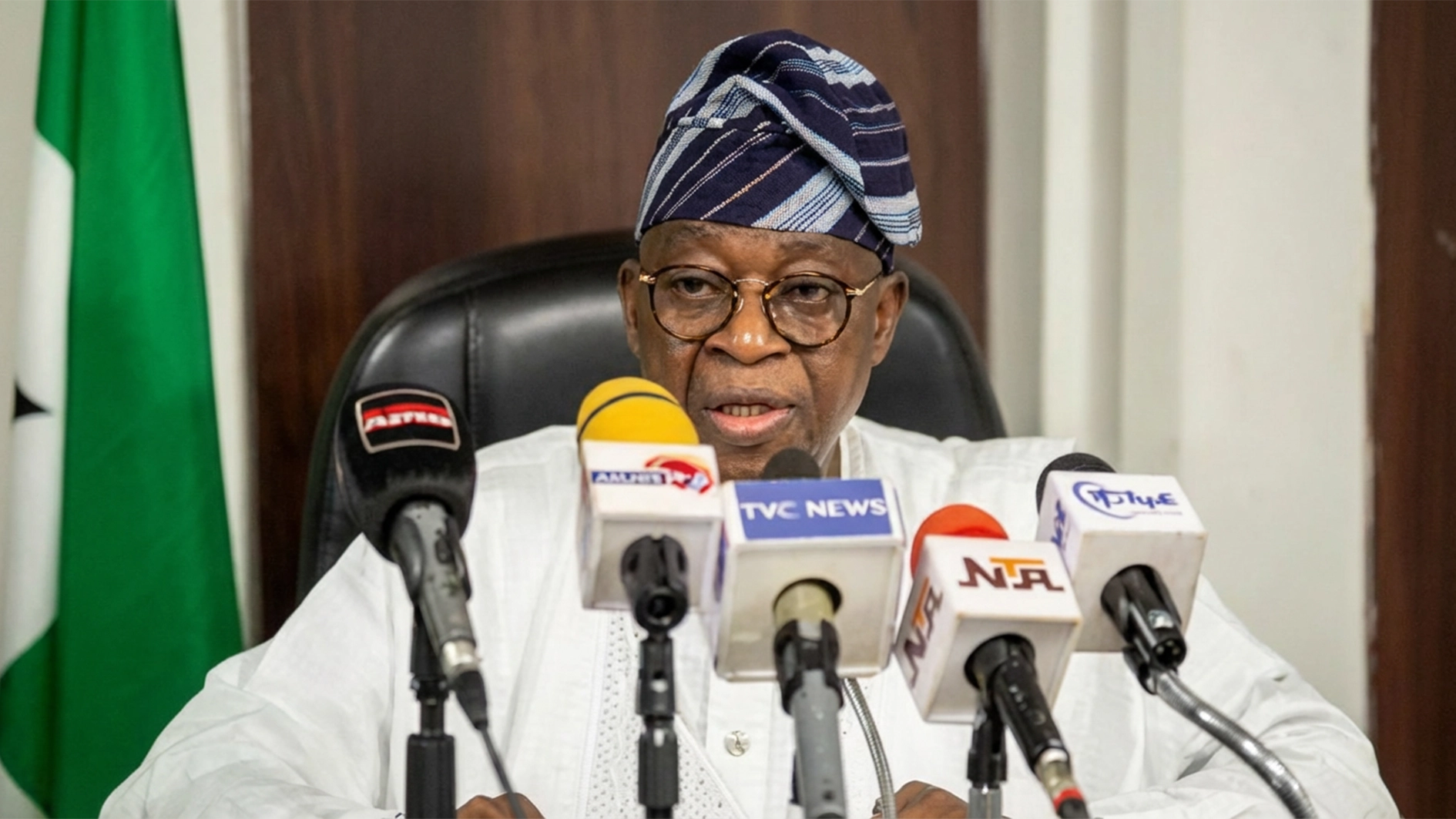
The Nigerian Ministry of Marine and Blue Economy, under the leadership of Dr. Adegboyega Oyetola, has unveiled a comprehensive maritime modernization strategy designed to consolidate sovereign control over key ports while attracting strategic international partners. Securing commitments from AD Ports Group and DP World represents a significant step toward establishing a National Shipping Carrier, explicitly aimed at reducing dependency on foreign maritime carriers and retaining substantial economic value within the Nigerian maritime ecosystem. This initiative transcends mere port operations, positioning Nigeria to recapture indigenous shipping capacity and create critical employment opportunities. The strategic deployment of the Cabotage Vessel Financing Fund (CVFF) further underscores the government’s intent to empower local shipowners and solidify control over domestic maritime value chains.
The port modernization agenda, extending beyond the Lagos-centric Apapa and Tin Can Island terminals to include Warri, Port Harcourt, Onne, and Calabar, constitutes a transformative infrastructure intervention. This nationwide approach directly addresses long-standing bottlenecks, promising to enhance port efficiency, drastically reduce vessel turnaround times, and significantly improve cargo handling capacity. Crucially, approvals for new deep seaports in Bayelsa, Cross River, Akwa Ibom, and Ondo States signal a proactive effort to decongest existing facilities and develop new economic corridors. This infrastructure expansion is intrinsically linked to Nigeria’s broader economic diversification objectives, with the potential to stimulate intra-African trade, reduce the cost of business, and serve as a magnet for foreign direct investment (FDI) across logistics, manufacturing, and energy sectors. The scale and strategic nature of these initiatives underscore Nigeria’s ambition to emerge as a dominant maritime gateway within Africa.
The involvement of sovereign wealth funds and strategic international partners in Nigeria’s maritime revival offers a compelling model with profound implications for the broader Middle East and North Africa (MENA) region. Sovereign capital, deployed through partnerships with entities like AD Ports Group and DP World, provides a blueprint for leveraging state resources to unlock private sector investment and modernize critical infrastructure. This approach mitigates capital constraints while ensuring strategic alignment with national economic goals. Furthermore, the emphasis on indigenous capacity development resonates strongly with MENA states facing similar imperatives to diversify economies away from hydrocarbons. The success of Nigeria’s CVFF-like mechanisms could inspire analogous funding models across the region, accelerating port modernization and logistics efficiency. Consequently, Nigeria’s strategic maritime pivot not only revitalizes its own economy but also establishes it as a key node within emerging regional supply chains, potentially reshaping trade dynamics and attracting cross-border investment in logistics infrastructure.
Sovereign Capital and Infrastructure: A MENA Benchmark
Nigeria’s maritime overhaul represents far more than national infrastructure enhancement; it exemplifies a sophisticated integration of sovereign capital mobilization, strategic international collaboration, and long-term economic diversification. The securing of commitments from AD Ports Group and DP World, traditionally entities backed by sovereign wealth interests, transforms state infrastructure projects into vehicles for attracting high-caliber international technical and financial expertise. This model mitigates sovereign balance sheet pressures while ensuring projects meet international standards, enhancing Nigeria’s competitiveness as a logistics hub. The deployment of mechanisms like the CVFF further illustrates how sovereign policy instruments can directly stimulate indigenous private sector growth within critical infrastructure sectors.
The regional implications are substantial. MENA states, particularly those with significant maritime boundaries and burgeoning trade ambitions, will closely monitor Nigeria’s outcomes. The Nigerian experience demonstrates that sovereign capital, effectively channeled through public-private partnerships and targeted funding mechanisms, can drive large-scale port modernization and foster domestic maritime industries. This approach offers a viable pathway for MENA countries seeking to leverage sovereign resources to attract private investment, upgrade port efficiency, and position themselves as regional trade corridors. The success of Nigeria’s deep seaport developments in Bayelsa, Cross River, and beyond will directly influence MENA perceptions of Nigeria’s viability as a primary maritime gateway and potentially alter regional trade flows, making it a critical benchmark for future MENA infrastructure and economic strategies. The synergy between sovereign capital deployment, strategic partner engagement, and transformative infrastructure delivery in Nigeria provides a potent template for MENA maritime renaissance.