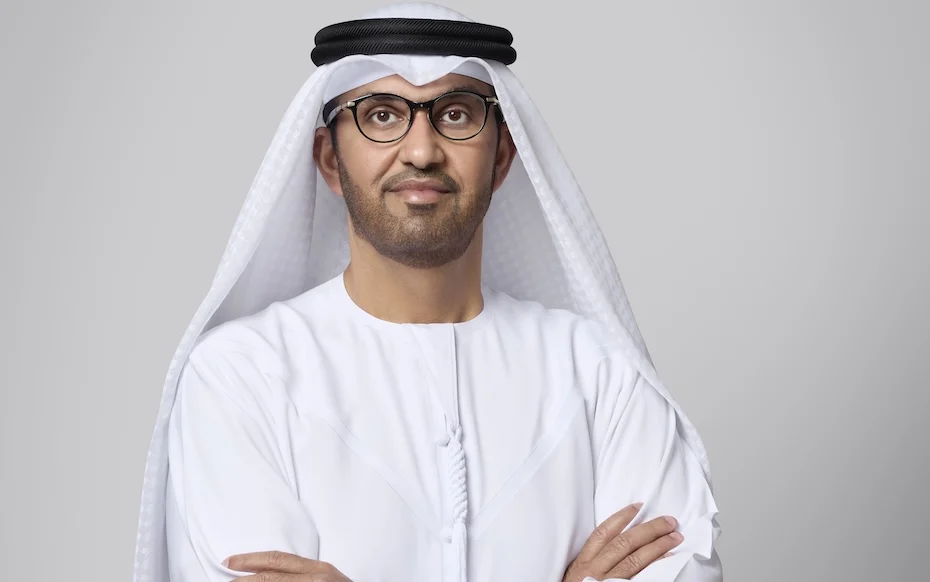

The escalating tensions surrounding the Strait of Hormuz are presenting a significant challenge to the global energy and commodity markets, with the implications extending far beyond immediate price fluctuations. Speaking at CERAWeek in Houston, Dr. Sultan Al Jaber, UAE Minister of Industry and Advanced Technology and chairman of Masdar and XRG, unequivocally characterized any weaponization of the waterway as “economic terrorism,” a statement reflecting the profound business impact of potential disruptions. The Strait, a critical artery for approximately 20 million barrels of oil daily – roughly a fifth of global oil and gas supply – as well as over a third of global fertiliser trade and significant volumes of petrochemicals and industrial metals, is under increased scrutiny amidst heightened geopolitical instability involving the US, Israel, and Iran.
The current situation underscores the vulnerability of complex global supply chains to localized security risks. Dr. Al Jaber highlighted the immediate ramifications, citing a 50% surge in oil prices within three weeks as a direct consequence of the elevated threat. Beyond energy markets, the crisis impacts a broad spectrum of industries, from manufacturing and agriculture to consumer spending, contributing to amplified inflationary pressures and potential macroeconomic slowdowns. The UAE’s strategic approach emphasizes resilience through substantial long-term investments in critical infrastructure, including strategically located storage and liquefied natural gas (LNG) facilities, and the development of advanced technologies and digital solutions across its operations. Furthermore, significant capital – exceeding $85 billion – has been deployed into US energy assets across various sectors, demonstrating a proactive strategy to diversify and fortify supply chains.
The UAE’s response to this crisis is emblematic of a long-held commitment to pragmatic progress and strategic self-reliance. ADNOC, the nation’s leading oil and gas company, has demonstrated its operational fortitude by maintaining supply commitments despite recent disruptions. Recognizing the interconnectedness of global markets, the UAE actively participates in international efforts to de-escalate tensions, including supporting UN resolutions and condemning attacks on energy infrastructure. The crisis serves as a stark reminder of the potential for geopolitical instability to reverberate through the global economy, highlighting the imperative for robust resilience strategies and international cooperation. The UAE’s focus on leveraging embedded technology and artificial intelligence within its energy operations further enhances its capacity for managing risk and ensuring operational efficiency.
Looking ahead, the UAE is actively shaping the future of global energy resilience. Dr. Al Jaber has extended an invitation to global energy leaders to participate in a working session at ADIPEC in November, focused on collaboratively strengthening the global energy system’s ability to withstand future shocks. This initiative underscores the UAE’s ambition to be a central driver in fostering a more secure and diversified energy landscape. The Strait of Hormuz’s strategic importance necessitates continued vigilance and proactive investment in both physical infrastructure and technological innovation, ensuring long-term stability in a volatile global environment. The UAE’s commitment to these endeavors positions it as a key player in mitigating the risks associated with geopolitical uncertainty and navigating the evolving dynamics of the global energy market.