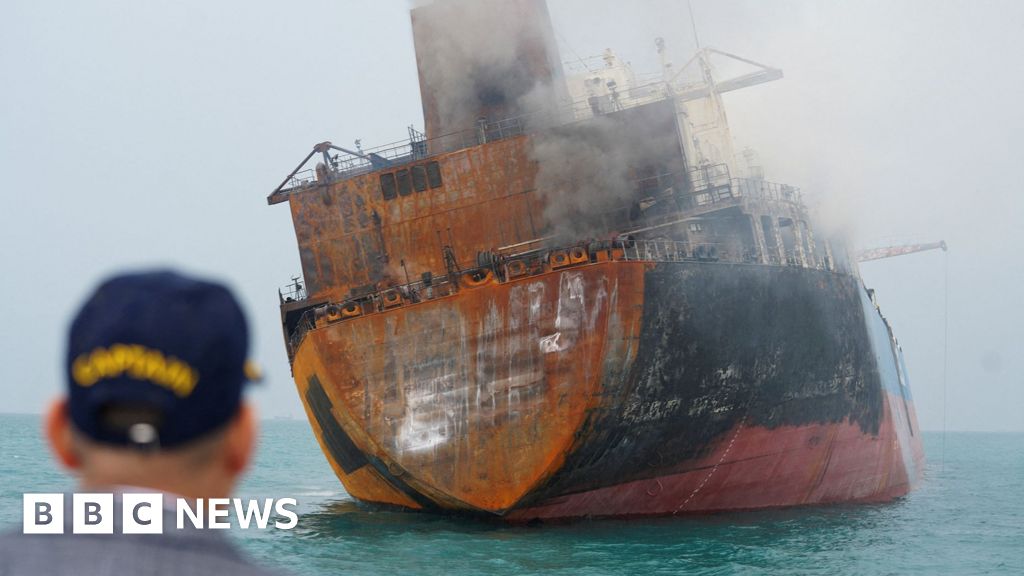

The emergence of advanced aerial threats—ranging from unmanned drones to precision-guided cruise missiles and high-performance fighter aircraft—has cast a long shadow over the strategic and commercial arteries of the Middle East and North Africa. The Gulf region, home to some of the busiest shipping lanes in the world and the backbone of global energy transit, is now contending with a transformed security calculus. For merchant vessels, offshore energy platforms, and coastal infrastructure, the risk environment has dramatically shifted, compelling sovereign actors to reassess force projection and defensive investments.
The tactical shift has immediate and profound commercial ramifications. Shipping companies operating through the Strait of Hormuz, the Bab-el-Mandeb, and the Suez Canal are reporting escalated insurance premiums, rerouting costs, and the need for enhanced onboard defensive measures. This operational strain threatens the profitability of key maritime trade routes and disrupts supply chains that many MENA economies depend upon. Sovereign stability in energy-exporting states is also under strain, as the security expenses required to defend critical infrastructure divert capital away from development projects and technology sector expansion.
In response, governments and sovereign wealth funds are recalibrating their capital allocation strategies, directing unprecedented resources into defensive technologies and regional cyber-physical security systems. Venture capital and private equity within the region are pivoting towards dual-use innovations—systems that can simultaneously strengthen civil digital infrastructure and military threat resilience. In the longer term, this evolving dynamic stands to shape the next generation of MENA infrastructure investment, with autonomous protection systems, AI-driven monitoring, and next-generation traffic management emerging as not just strategic priorities, but regional growth catalysts.