
The ongoing disruption to oil supplies emanating from the Persian Gulf, exacerbated by the escalating conflict, is triggering a significant reshaping of global oil markets with profound implications for the Middle East and North Africa (MENA) region. Sovereign wealth funds and venture capital are increasingly focused on infrastructure development mirroring the Gulf’s oil-producing capabilities, while the region grapples with the economic fallout of a constricted global supply.
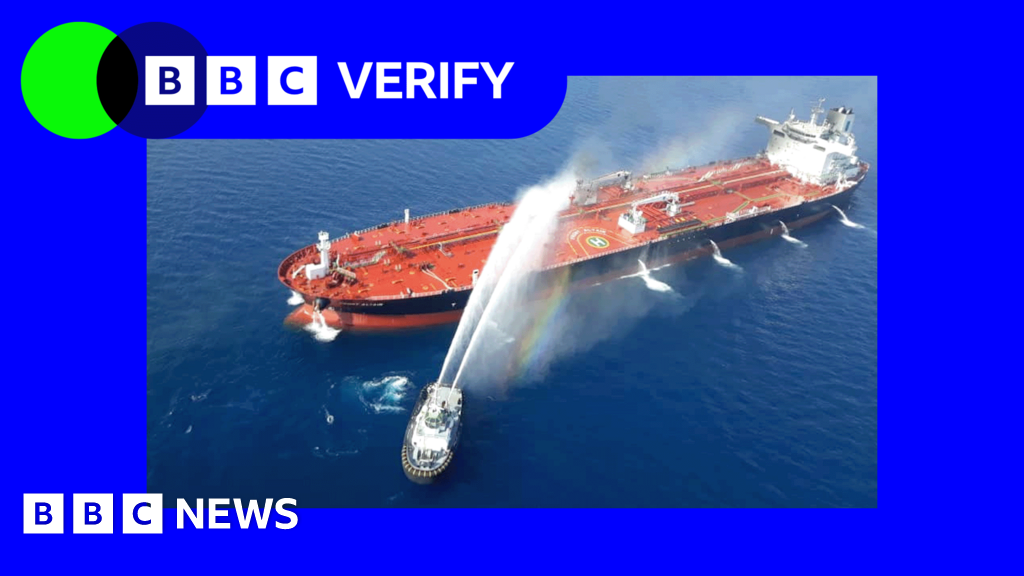
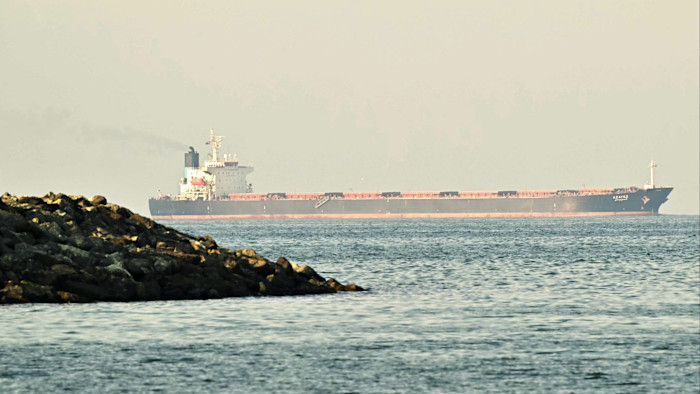
This crisis is fundamentally altering the landscape of energy trade. The closure of the Strait of Hormuz, a critical chokepoint for approximately 20% of global oil exports, has dramatically reduced the availability of Middle Eastern crude, driving up prices globally. Regional benchmarks like Oman’s crude have seen unprecedented surges, exceeding $150 per barrel, demonstrating a stark shift in market dynamics. This scarcity is fueling heightened demand for alternative crude sources from Norway, Algeria, Libya, and Kazakhstan, creating a scramble for supply and impacting refining margins across the globe. The ripple effect extends to commodity trading, with increased reliance on tankers and higher shipping fuel costs adding to the pressure on regional economies.
The implications for MENA’s economic future are substantial. Sovereign wealth funds are actively exploring opportunities to expand their influence in oil and gas infrastructure, recognizing the strategic importance of securing reliable fuel supplies. This includes investment in refining capacity, pipeline networks, and port expansions—mirroring the strategic investments made by Gulf nations. Simultaneously, while the region’s established oil and gas sector remains central to its economic stability, diversification efforts are gaining momentum. However, this transition is being hampered by the immediate need to manage the economic consequences of reduced export revenues and navigate the logistical challenges of securing alternative supply streams. Further complicating matters, investment in burgeoning renewable energy sectors faces headwinds as global demand for oil-derived fuels remains robust in the short to medium term.
Moreover, the disruption underscores the importance of robust regional infrastructure. The scale of the current crisis highlights the vulnerability of oil supply chains to geopolitical instability. Governments and private sector players alike are recognizing the need for enhanced logistical networks, including port modernization, cargo vessel optimization, and investment in alternative transportation routes. The dislocation in physical and paper markets indicates a global shift toward greater physical oil scarcity and the need for refining capacity to handle heavier, more sulfurous crude, a characteristic often associated with Gulf oil production. As the conflict evolves, the MENA region must strategically position itself to capitalize on the emerging opportunities, balancing immediate economic imperatives with the long-term imperative of sustainable resource management and diversification, while actively participating in the reshaping of global energy flows.