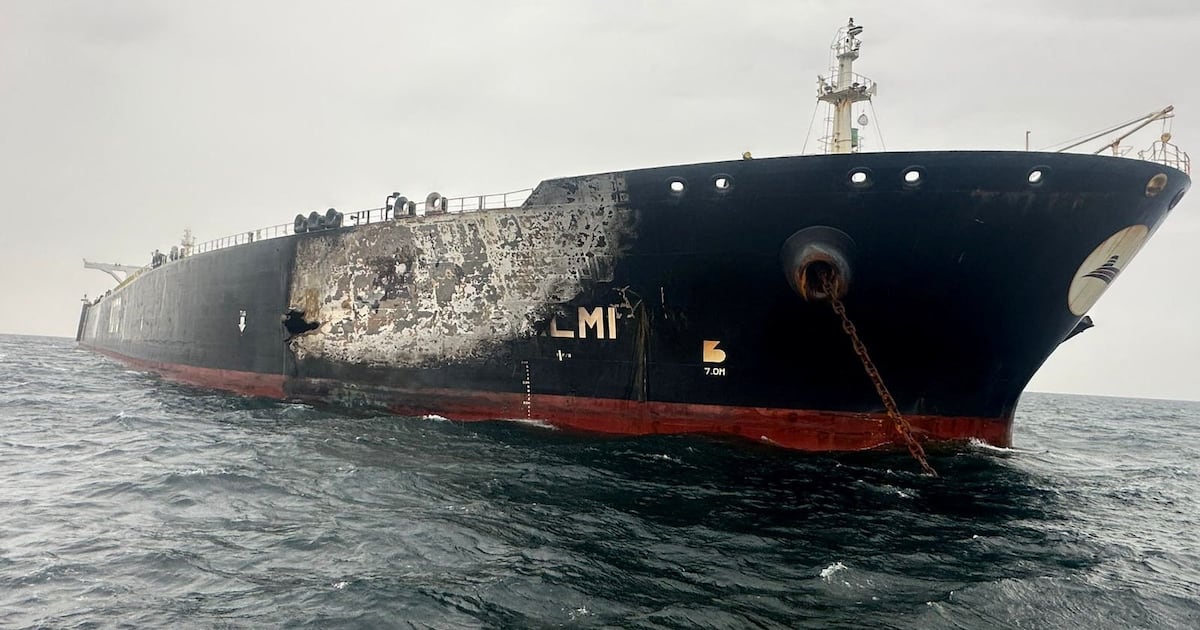

The ongoing disruption of the Strait of Hormuz, representing the seizure of approximately 20% of global seaborne oil traffic, constitutes a structural shock to the global energy order with profound implications for MENA capital deployment. The immediate flight to quality is accelerating a strategic reallocation within the region’s sovereign wealth funds, such as those of Saudi Arabia and the UAE, away from Western equities and towards tangible, domestically-anchored assets. This pivot is not merely defensive but offensive, accelerating pre-existing economic diversification mandates by redirecting capital into regional infrastructure, advanced manufacturing, and critical technologies that reduce exposure to external geopolitical volatility. The period of elevated oil prices, while generating substantial windfall revenues for GCC states, will paradoxically fuel a faster-paced capital re-patronage into non-oil sectors, as fiscal authorities seek to lock in gains by building out physical and digital infrastructure that insulates future growth from marine chokepoints.
The crisis exposes the critical infrastructure fragility of the region’s energy export backbone, compelling both national oil companies and state-backed lenders to launch emergency resilience programs. Beyond the immediate repair of targeted facilities, this will catalyze long-term investments in pipeline diversification, strategic storage facilities at alternative export terminals, and maritime security assets—including private naval capabilities and drone surveillance networks. For regional development banks and large institutional investors, this translates into a new asset class: “energy security infrastructure.” The financing requirements for such projects, estimated in the hundreds of billions, will draw heavily on domestic bond markets and syndicated loans, deepening local capital markets while coinciding with a cautious retrenchment from riskier venture exposures. The business impact is dichotomous: traditional energy and construction sectors see an unprecedented project pipeline, whereas trade-dependent industries face existential input cost pressures.
Concurrently, the venture capital ecosystem across the MENA region is experiencing a rapid thematic realignment. Capital from both sovereign and private sources is sharply redirecting towards dual-use technologies—cybersecurity, satellite monitoring, AI-driven logistics, and alternative energy solutions like green hydrogen and advanced battery storage—that address supply chain fragility. The war has dramatically increased the perceived national security premium on these technologies, merging economic and defense investment theses. While early-stage tech funding may face headwinds from a general risk-off sentiment, late-stage, capital-intensive startups in energy transition and defense tech are securing term sheets from state-affiliated investors. This recalibration underscores a fundamental shift: from a VC model primarily targeting consumer market scalability to one prioritizing strategic autonomy and physical supply chain integrity, a trend that will define the region’s technology landscape for the next decade.