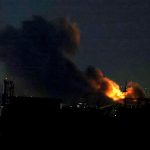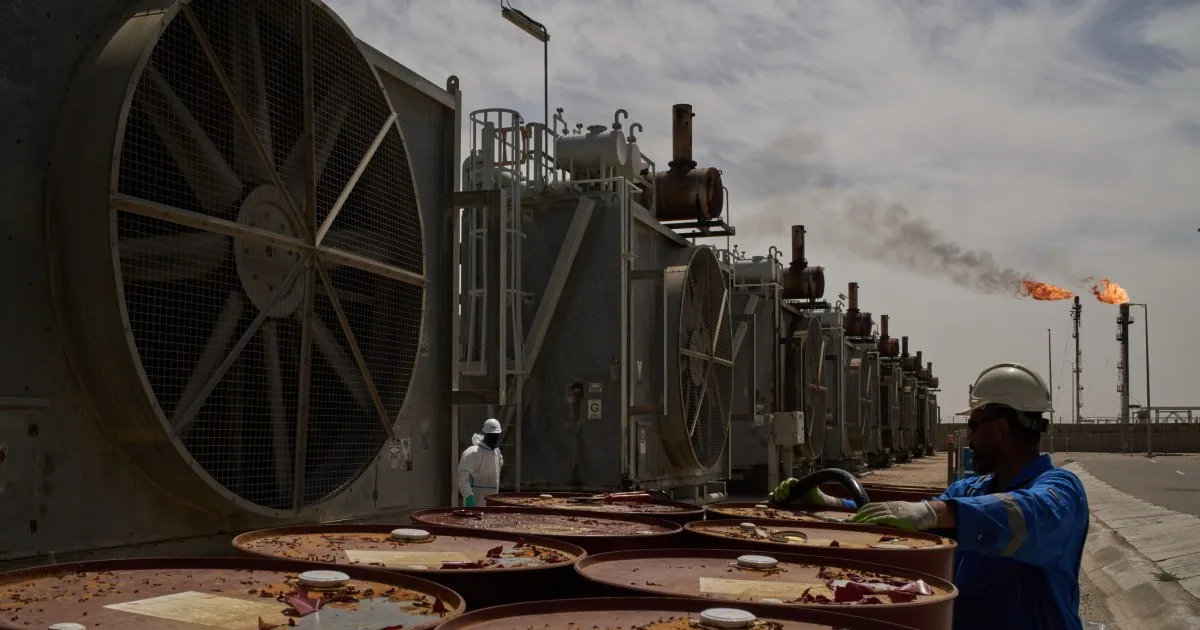

The escalation of geopolitical tensions in the Middle East, particularly the US-Israel conflict with Iran, has triggered a seismic shockwave through global energy markets, with profound ramifications for the MENA region’s economic architecture. The closure of the Strait of Hormuz—a critical artery for over 20% of global oil and LNG shipments—has precipitated a supply crunch unseen since the 1970s oil shocks, forcing sovereign states to recalibrate fiscal and strategic priorities. Countries such as Saudi Arabia and the UAE, whose budgets rely on stable oil revenues, now face a paradox: soaring crude prices could bolster state coffers in the short term but risk exacerbating inflationary pressures and public discontent. For oil-importing MENA economies like Egypt and Jordan, the surge in fuel costs threatens to deepen existing debt burdens, urging governments to accelerate subsidy reforms while safeguarding social stability. The volatility underscores the fragility of MENA’s reliance on hydrocarbon revenues, compelling sovereign wealth funds, such as Saudi Arabia’s Public Investment Fund and the UAE’s Mubadala, to diversify their portfolios into energy transition technologies and regional infrastructure resilience.
Venture capital dynamics in the region are undergoing a bifurcated response to the crisis. On one hand, the immediate spike in energy prices has intensified capital flows into short-duration energy derivatives and geopolitical risk arbitrage strategies, particularly in Gulf hubs like Abu Dhabi and Doha. Conversely, prolonged conflict disrupts long-term investment pipelines, stifling early-stage venture initiatives in sectors like renewable energy and hydrogen—areas where MENA nations, including Morocco and Saudi Arabia, have positioned themselves as global players. The strait’s closure has also reignited interest in de-risking supply chains, prompting Gulf states to fast-track investments in regional LNG export hubs and desalination technologies. However, lingering uncertainties around the resolution of the US-Iran conflict dampen investor confidence in cross-border partnerships, creating a paradox where energy resilience technologies remain underdeveloped despite acute vulnerability.
Regional infrastructure remains a linchpin in mitigating the cascading effects of the energy crisis. The immediate priority lies in securing alternative shipping lanes, with Qatar and Oman rapidly scaling up LNG liquefaction capacity to bypass Hormuz, while Iraq and Jordan expand their underutilized pipelines to tap Gulf and Mediterranean resources. Longer-term, the crisis has catalyzed initiatives to integrate regional power grids, such as the Gulf-Adriatic interconnector, which could alleviate energy shocks by enabling cross-border electricity sharing. For instance, Morocco’s Noor Ouarzazate solar complex gains newfound relevance as a potential hub for green hydrogen exports, leveraging modular infrastructure models pioneered by Gulf states. Yet, the absence of cohesive cross-border policies and the politicization of energy infrastructure spending threaten to fragment efforts, leaving MENA’s physical and financial networks vulnerable to unilateral disruptions. As the region grapples with these dual imperatives, the interplay between sovereign capital deployment and venture-driven innovation will determine its capacity to navigate the energy transition—and geopolitical volatility—without sacrificing growth momentum.