
The Middle East is bracing for a seismic shift in regional geopolitics and capital markets as US-Iran negotiations take an unexpected turn under President Trump’s direct intervention. Sources indicate that Washington is now offering Tehran a landmark 15-point agreement framework, with Iran reportedly meeting “most” US demands. This represents a stark reversal from Washington’s recent military posturing and trillion-dollar Middle East redeployment strategy, sending shockwaves through sovereign wealth funds and institutional investors who had positioned for prolonged energy market volatility.
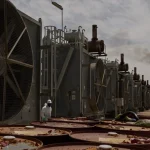
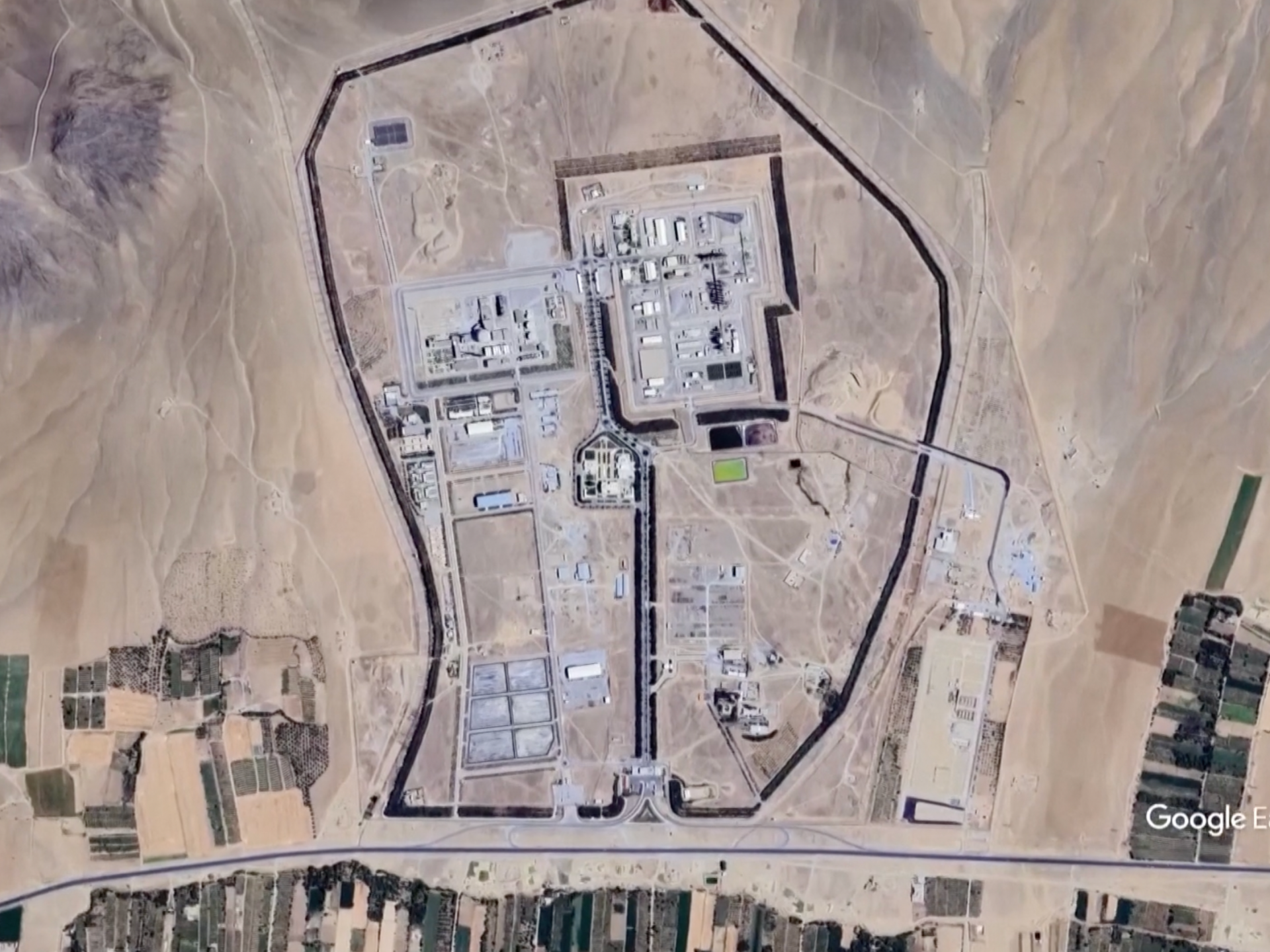
The diplomatic pivot carries profound implications for Middle Eastern sovereign capital flows and infrastructure investment strategies. Major Gulf Cooperation Council (GCC) states have been banking on sustained US military presence to secure their energy export chokepoints, particularly the Strait of Hormuz and Iran’s Kharg Island facilities. A US-Iran detente would force these nations to rapidly recalibrate their sovereign investment vehicles and venture capital arms toward new growth sectors, potentially accelerating the region’s much-touted digital transformation and renewable energy initiatives. Energy markets have already braced for impact, with implied volatility spiking on exchanges as traders price in a scenario where Iranian barrels re-enter global supply chains under modified sanctions regimes.
For venture capital and private equity firms active in the MENA region, the shifting sands present both opportunities and existential threats. Early-stage investment thesis that assumed continued market dislocation may need wholesale revision, while later-stage infrastructure funds could find lucrative arbitrage windows in Iranian reconstruction projects. However, the fluid nature of US policy, juxtaposed with longstanding regional animosity and competing great power interests, means any investment calculus remains fraught with geopolitical risk. Institutional allocators must now weigh not just traditional sovereign credit spreads, but complex energy geopolitics, technology transfer regimes, and the shape of a potential US-Iran security architecture in the Persian Gulf – the outcome of which could reshape capital allocation patterns across the entire MENA region for the next decade.