Opec+ has reached a preliminary agreement to maintain its official production targets while considering a largely symbolic quota adjustment for May 2026. The Joint Ministerial Monitoring Committee (JMMC) stopped short of confirming any meaningful output increase, reflecting the alliance’s cautious stance in the face of mounting geopolitical risks and tightening supply fundamentals across the MENA region. While the group had approved a 206,000 barrels-per-day output increase last month, delegates signalled that this was at the upper limit of what was logistically or politically feasible under current conditions.
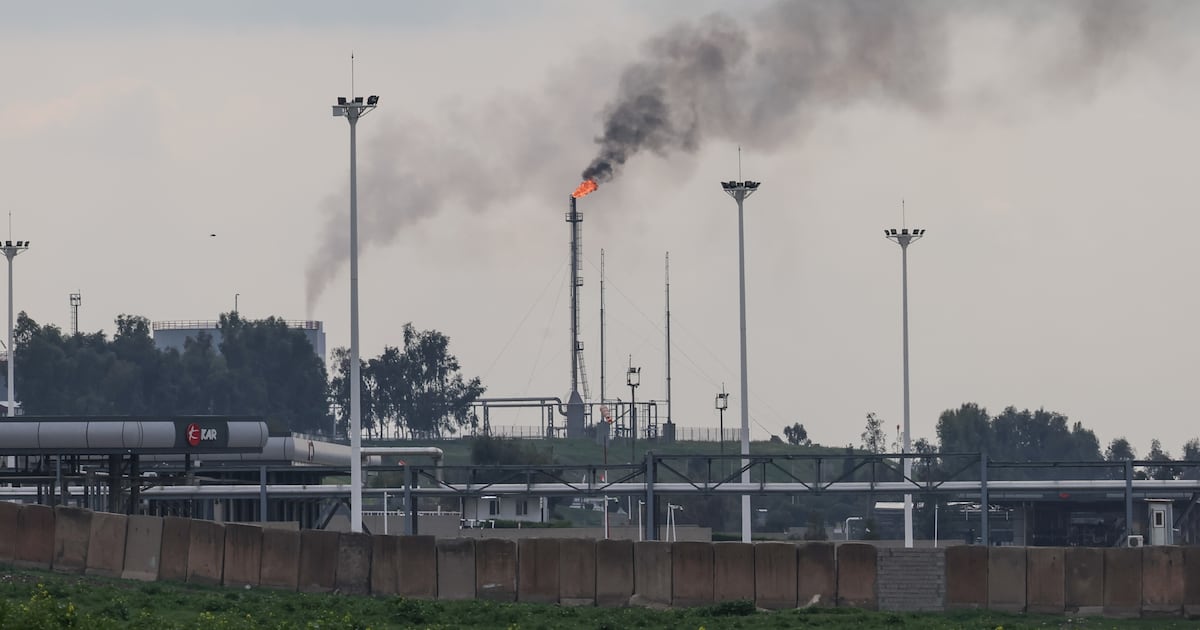
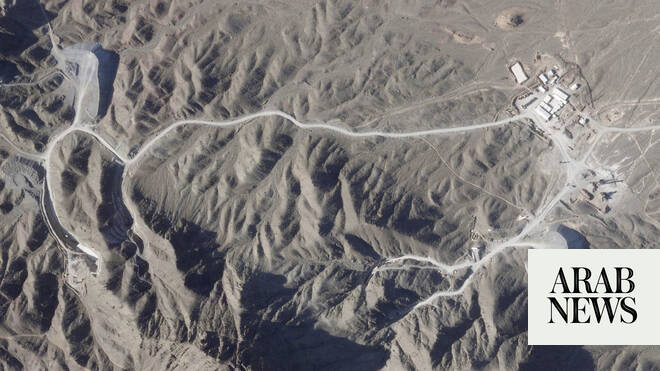
Infrastructure damage from regional conflicts, particularly affecting Iranian and GCC output, continues to limit the effectiveness of any nominal quota changes. Several nations have declared force majeure or severely curtailed exports, and Opec+ has reiterated the need for strict adherence to agreed baselines. The alliance’s emphasis on compliance, combined with warnings about maritime security risks—especially around the Strait of Hormuz—underlines the physical constraints on supply, despite growing global demand signals.
Regional sovereigns may see these developments as both an opportunity and a constraint. Short-term price gains offer fiscal relief for budget-dependent economies, but prolonged volatility risks deterring long-term venture capital and infrastructure investment. Gulf nations, in particular, are assessing the trade-off between capitalising on elevated prices and the reputational risk of being perceived as restricting supply amid international calls for stability. In parallel, discussions are accelerating across the region about enhancing domestic energy resilience and diversifying export logistics beyond high-risk chokepoints.
The IEA’s coordinated release of 400 million barrels—alongside Washington’s 172-million-barrel SPR drawdown—has provided only temporary price relief, with Brent settling above $109 and WTI at over $111. With the next Opec+ meeting set for June, the alliance faces a delicate balancing act: projecting market stability through planned adjustments, while acknowledging that geopolitical tensions and damaged infrastructure will remain the dominant drivers of supply-side risks across the MENA region for the foreseeable future.