
Strategic Consolidation in OpenAI’s Superapp: A Pivotal Moment for MENA’s Tech-Business Nexus
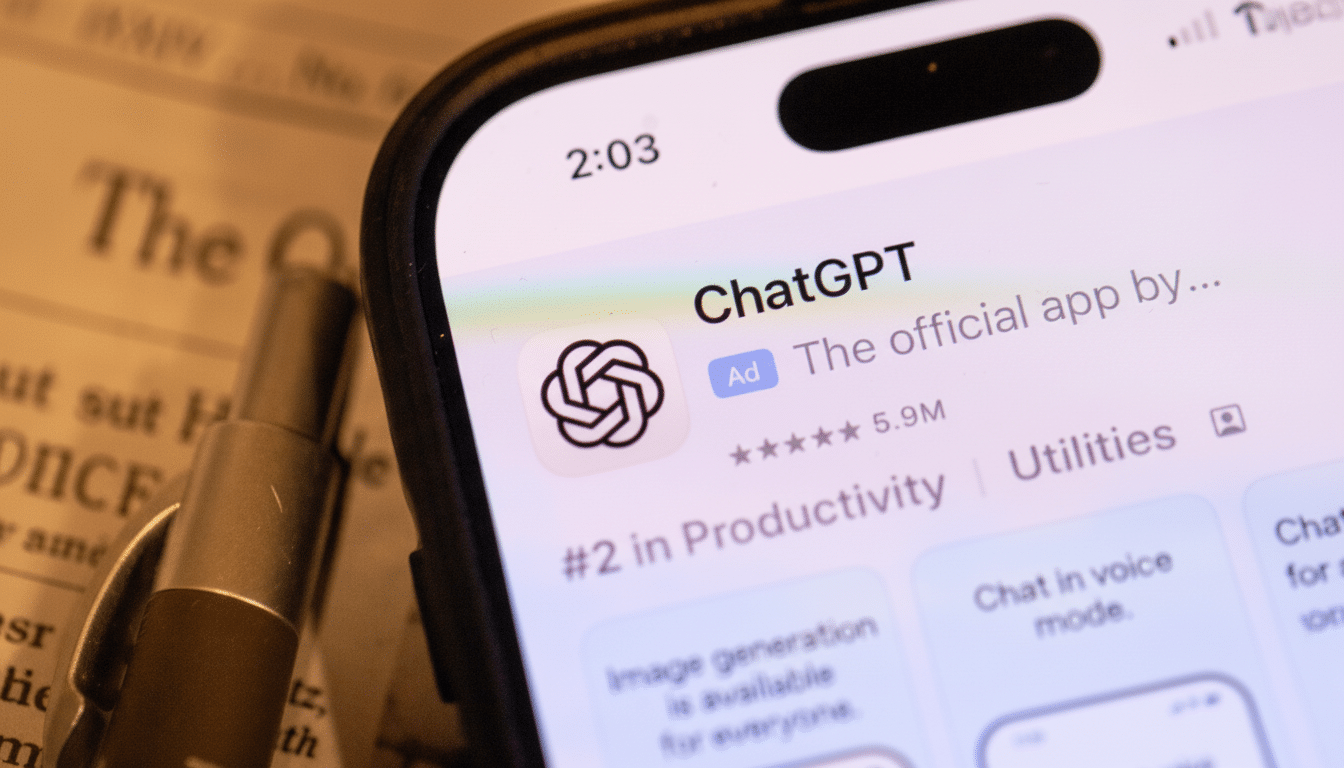
The launch of OpenAI’s desktop superapp represents a decisive shift in the AI-driven productivity landscape, with profound implications for business models and investment strategies across the Middle East and North Africa (MENA). By merging ChatGPT, Codex, and Atlas into a unified platform, OpenAI is not merely optimizing user experience but consolidating a critical segment of the AI stack that enterprises and developers in MENA—where rapid digital transformation is underway—are increasingly adopting. For sovereign capital, this superapp could become a focal point for strategic partnerships, as state-owned entities and sovereign wealth funds in the region seek to leverage AI tools that enhance productivity and innovation without ceding control to fragmented ecosystems. The move aligns with MENA’s growing appetite for localized AI solutions; governments in the UAE, Saudi Arabia, and Egypt are prioritizing sovereign tech sovereignty, and a consolidated AI suite could reduce reliance on disparate platforms while enabling tailored integrations with regional infrastructure. Venture capital firms eyeing MENA’s burgeoning AI startup ecosystem will likely view the superapp as a catalyst, as its streamlined operations could lower entry barriers for developers and startups navigating complex workflows. This consolidation may also spur sovereign-backed investments in AI infrastructure, as nations aim to anchor advanced tools in their digital economies.
From a business standpoint, the superapp’s emphasis on workflow integration could revolutionize productivity across MENA’s enterprise landscape, particularly in sectors like fintech, logistics, and government services, where efficiency gains directly impact competitiveness. Developers in the region, already grappling with fragmented toolchains due to diverse languages and legacy systems, could benefit from reduced context-switching, accelerating time-to-market for AI-driven solutions. Sovereign entities, tasked with modernizing public-sector operations, may prioritize such tools to enhance service delivery and data governance. Venture capital in MENA, which has increasingly focused on AI and enterprise SaaS, is likely to funnel capital into startups that integrate deeply with the superapp or build complementary services, fostering a new wave of innovation. However, OpenAI’s success in the region will hinge on addressing local priorities, such as data sovereignty and multilingual support, which remain critical for adoption. The superapp’s ability to standardize workflows while allowing customization could position it as a cornerstone for MENA’s digital transformation, particularly if sovereign actors collaborate with OpenAI to tailor its offerings to regional needs.
The superapp’s implications extend to regional infrastructure, where MENA’s digital backbone is expanding but remains uneven. For a platform reliant on seamless cloud connectivity and low-latency access, sovereign investments in data centers and 5G rollouts could be pivotal. Countries like the UAE and Qatar, with state-backed digital infrastructure projects, may prioritize alignment with tools like OpenAI’s superapp to maximize returns on their tech investments. Conversely, in areas with patchy internet connectivity or regulatory barriers, the superapp’s desktop-centric model could face adoption challenges, necessitating localized hosting solutions or hybrid configurations. Sovereign capital’s role here extends beyond funding—strategic partnerships with OpenAI could ensure that the superapp’s deployment aligns with regional privacy laws and energy efficiency goals. Venture capital, meanwhile, may target startups that bridge infrastructure gaps, offering localized AI training or edge computing solutions to complement the superapp’s capabilities. Ultimately, the success of OpenAI’s superapp in MENA will depend on its ability to harmonize with the region’s fragmented yet rapidly evolving tech ecosystem, a task that will require collaboration across sovereign, private, and venture sectors to fully realize its transformative potential.