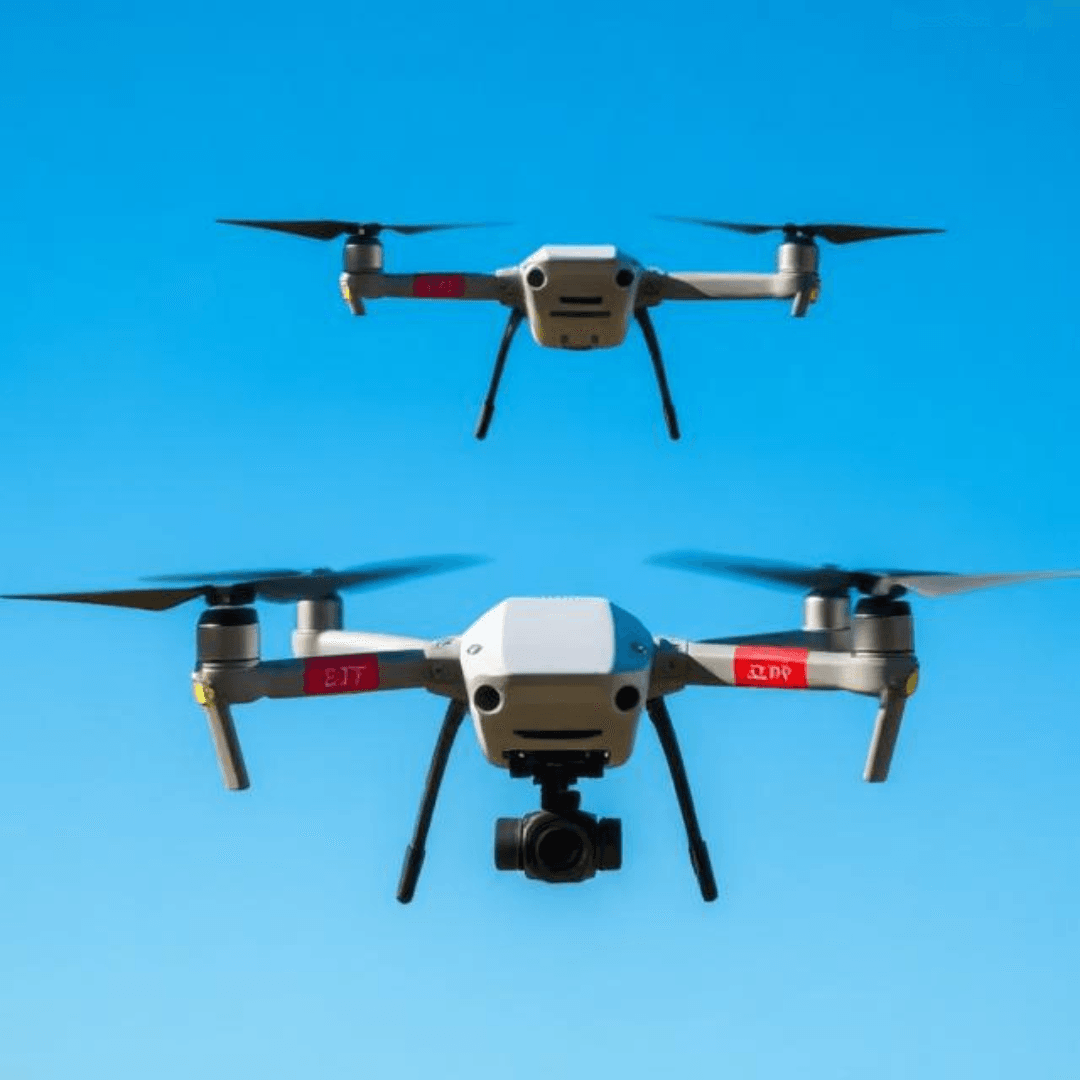

The recent €12.7 million Series A funding round secured by Orqa, a European drone manufacturer, represents a significant inflection point for the burgeoning unmanned aerial systems (UAS) sector across the Middle East and North Africa (MENA). While initially focused on European markets, Orqa’s expansion strategy, predicated on scalable manufacturing and a modular design approach, directly addresses a critical need within the region – the rapid deployment of specialized drone capabilities for security, infrastructure inspection, and agricultural monitoring. This investment signals a growing confidence in the long-term viability of drone technology, moving beyond nascent pilot programs to genuine commercialization, and underscores the potential for sovereign wealth funds and regional investors to play a pivotal role in shaping the industry’s trajectory.
The implications for MENA’s sovereign capital are considerable. Traditionally reliant on oil revenues, many nations are actively diversifying their economies, recognizing the strategic and economic value of technological innovation. Drone technology aligns perfectly with this diversification effort, offering applications ranging from border security and disaster response to precision agriculture and logistics. We anticipate increased interest from funds like Mubadala (UAE), Saudi Aramco’s investment arm, and the Saudi Vision 2030 initiatives to establish local drone manufacturing hubs and integrate UAS operations into existing infrastructure. Furthermore, the Series A demonstrates the appetite of venture capital firms – particularly those specializing in frontier technologies – to support regional companies with ambitious global ambitions, potentially unlocking further capital flows into the sector.
However, realizing this potential hinges significantly on regional infrastructure development. Current limitations in air traffic management systems, regulatory frameworks, and cybersecurity protocols present substantial hurdles. MENA nations must prioritize the harmonization of drone regulations, investing in sophisticated air traffic control solutions capable of managing increasing drone density, and bolstering cybersecurity defenses to mitigate the risk of malicious drone activity. The success of Orqa’s expansion will be directly correlated with the speed and effectiveness of these infrastructural improvements. Without a robust and secure operational environment, the promise of widespread drone adoption will remain largely unrealized.
Looking ahead, Orqa’s model – emphasizing modularity and localized manufacturing – offers a compelling blueprint for other regional players. The influx of capital and the demonstrated market demand will undoubtedly spur further investment in drone technology, driving innovation in areas such as autonomous navigation, payload delivery, and data analytics. Ultimately, the MENA region is poised to become a key global hub for drone manufacturing and operation, but realizing this ambition requires a coordinated effort between governments, private investors, and technology providers to overcome existing challenges and build a truly sustainable and secure drone ecosystem.