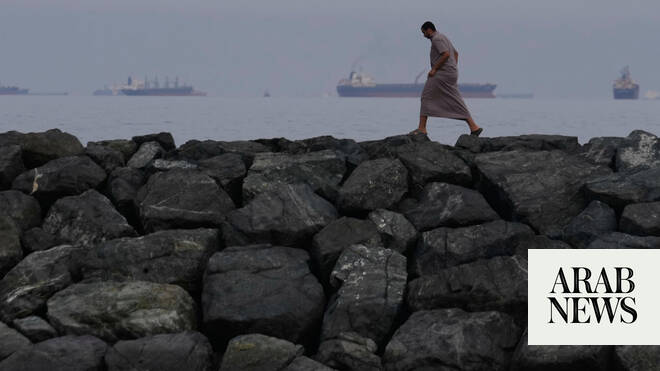

The Strait of Hormuz crisis has rapidly evolved from a regional military engagement into a global maritime chokepoint, with Tehran’s blockade now trapping over 320 oil and gas tankers among nearly 2,200 commercial vessels anchored or circling in the Arabian Gulf. What began as a targeted strike response has morphed into a de facto maritime insurance tax, as vessels granted selective passage face “transit facilitation” fees exceeding $2 million per vessel—a pricing model analysts are already dubbing the “Hormuz Hegemony Tax” and likening to Carbon Border Adjustment Mechanisms in its economic hardening. With only a handful of vessels managing to thread through Iran’s pre-approved Larak corridor, energy flows that typically account for 20% of global oil and LNG supply are now reduced to a trickle, fundamentally altering supply chain dynamics across Asia and Europe.
From a sovereign capital perspective, the geopolitical leverage is shifting palpably eastward, as Malaysia, Pakistan, and especially China have secured unofficial exemptions in return for strategic acquiescence with Tehran. Chinese container vessels, benefiting from state-back coordination, are now breaking through as the first significant non-Iranian flag presence in the strait in weeks, suggesting Beijing is testing the boundaries of its implicit maritime carve-out. For regional UAE and Saudi sovereign wealth vehicles, this portends a multi-layered risk calculation: traditional energy transit supremacy is being supplanted by Iranian and Chinese-aligned corridor control, with broader implications for the long-delayed Aramco IPO premium and QatarEnergy LNG’s benchmark pricing. If sustained, Tehran’s ability to “whitelist” vessels could see new regional trade corridors spawn—potentially weakening the utility of future UAE-based logistics free zones or Saudi transshipment hubs due to heightened geopolitical exposure.
The venture capital and infrastructure investment landscape is adapting equally fast. UAE national flagship DP World’s portfolio, which includes port assets across the Horn of Africa, is now viewed as a potential overland hedge should Persian Gulf bottlenecking persist, prompting checks on appetite for Moroccan deep-water terminal rollouts to Europe-bound cargo. Meanwhile, Kuwaiti and Omani sovereign-linked rail and pipeline projects, such as the long-mooted Gulf Railway link to Basra, are suddenly back in strategic design review, given that an overland bypass could dismantle Iran’s ability to weaponize maritime bottlenecks. Venture-backed maritime insurance tech, AI-driven risk modeling tools, and commercial escrow-based escrow systems for “safe passage surety” are registering triple-digit query traffic from MENA family offices. While global export giants like Saudi Aramco and ADNOC retain sovereign firewall capacity, market-linked multinationals with sizable regional throughput are already adjusting quarterly CapEx allocations to weather further multi-month traffic disruptions. Unless renewed diplomatic pressure or a calibrated showing of pirate-patrol-style naval presence forces de-escalation, the real winner may be the emerging Beijing-Tehran axis underwriting, with Riyadh’s pivot to Washington further decoupled from the objective maritime trade lanes still moving on the Gulf waters.