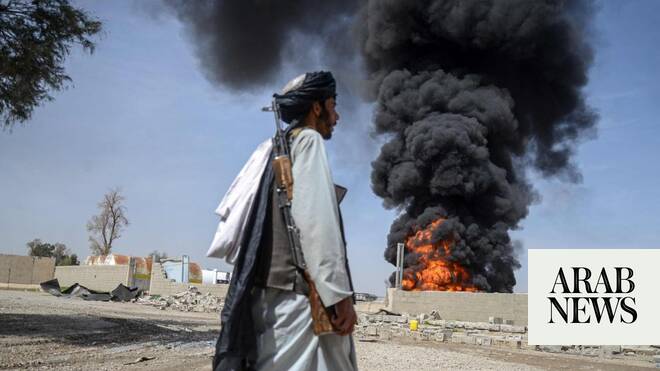

The recent interception of Afghan Taliban drones targeting Pakistani civilian areas represents a significant escalation in the geopolitical tensions along the Iran-Pakistan border and has considerable implications for regional sovereignty, security infrastructure, and the nascent venture capital ecosystem in the Middle East and North Africa.
This incident underscores the continued instability emanating from Afghanistan, a challenge that directly impacts regional security architectures. Pakistan’s assertion that the drones were intercepted and did not reach their targets, while a defensive posture, highlights the vulnerability of state infrastructure in the face of non-state actors operating within a volatile border environment. The Taliban, despite lacking a sophisticated air force, has demonstrated an ability to utilize locally produced drone technology, signaling a potential for asymmetric warfare that requires robust defense and border security investments. This situation necessitates a renewed focus on strengthening national security capabilities within the region, including advancements in radar technology, drone defense systems, and intelligence sharing mechanisms among regional partners.
The implications extend beyond immediate security concerns to encompass the broader economic landscape. The ongoing border clashes are already disrupting trade routes and impacting cross-border economic activity, a crucial artery for several MENA nations. The potential for further escalation could significantly impede regional integration and investment flows. Furthermore, the region’s burgeoning venture capital sector, which is increasingly focused on technology solutions for infrastructure development and security applications, will need to carefully assess the risk environment. While the potential for innovation remains, investors will likely exercise heightened caution, demanding greater assurances of regional stability before committing significant capital to projects in border regions.
Addressing this complex situation requires a multifaceted approach by regional governments. This includes strengthening border security cooperation, investing in robust surveillance technology, and fostering dialogue to de-escalate tensions. However, the broader context of regional political dynamics and the persistent instability in Afghanistan demand a more strategic response. The potential for sovereign capital to be strategically deployed towards bolstering defense capabilities and infrastructure resilience in the face of such threats, coupled with cautious engagement from the venture capital community, is a critical factor in shaping the future security and economic prosperity of the Middle East and North Africa.