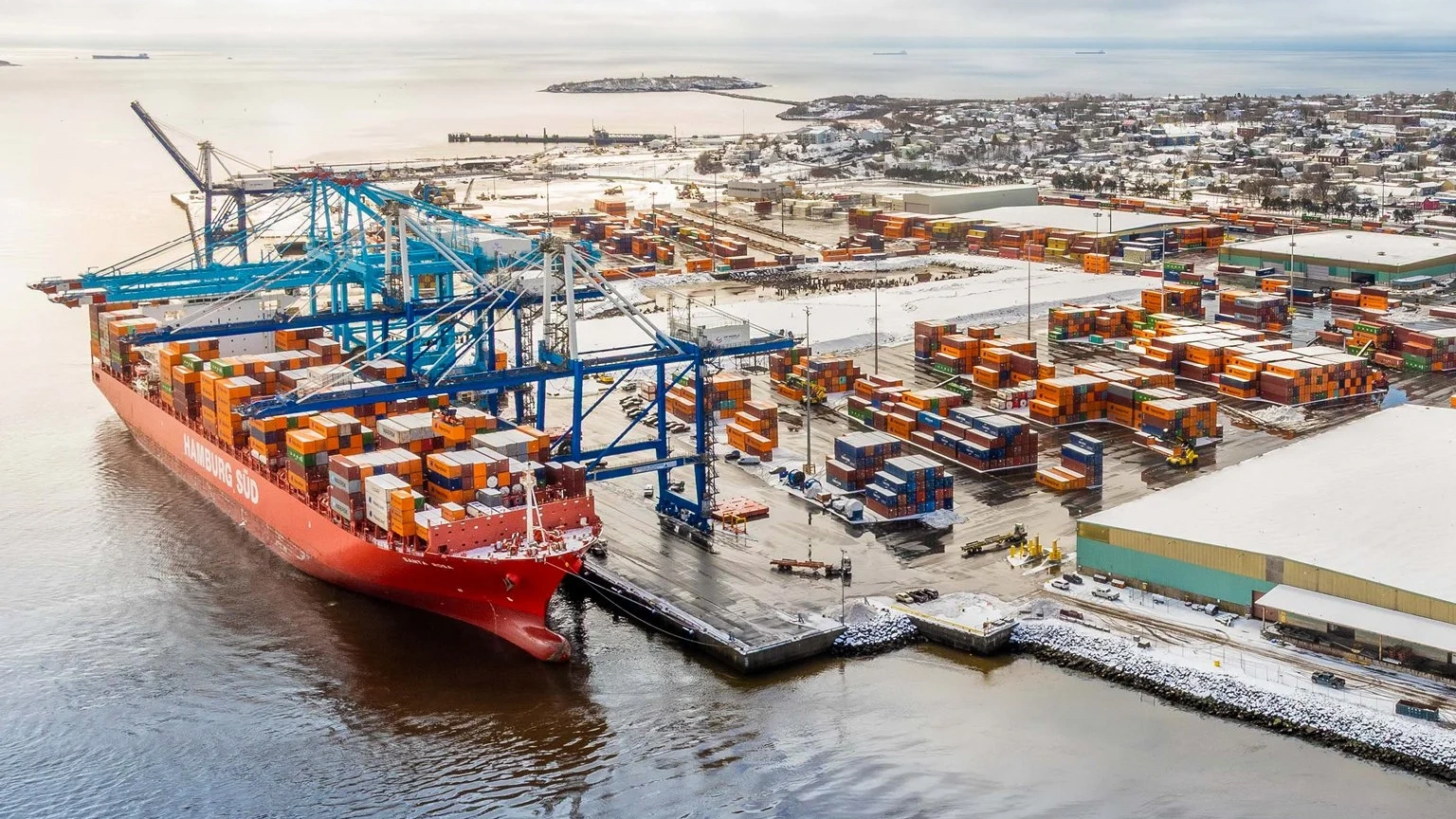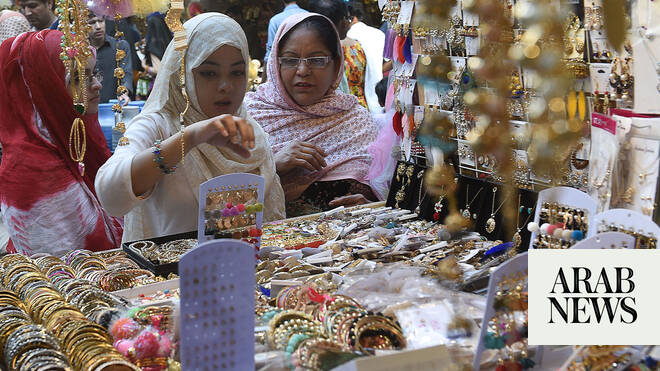

The recent declaration of Eid Al-Fitr holidays in Pakistan, scheduled for March 20-21, 2026, represents a micro-economic event with potential ripple effects across the Middle East and North Africa (MENA) region. While geographically localized, this observance underscores the significant economic influence of Islamic finance and the underlying consumer spending patterns driven by religious festivals. The timing of Eid Al-Fitr, marking the conclusion of Ramadan, typically stimulates retail activity, particularly in sectors like food, apparel, and hospitality. This increased demand has implications for regional supply chains and logistics, potentially benefiting companies involved in import/export activities across the MENA space. Furthermore, the increased discretionary spending during this period can provide a modest boost to national GDP, influencing sovereign fiscal planning and potentially impacting external debt management strategies.
Beyond immediate consumer spending, the Eid Al-Fitr period serves as a barometer for regional venture capital activity focused on Islamic fintech and e-commerce. The heightened online and offline transactions create opportunities for digital payment providers to demonstrate their capabilities and expand market share. Investment in platforms catering to halal consumer goods and services is likely to gain traction, reflecting a growing segment of the global market. Moreover, the festival’s emphasis on charitable giving – Zakat – presents avenues for impact investing and philanthropic initiatives. The efficient channeling of Zakat funds can contribute to social infrastructure development and potentially unlock further investment opportunities in areas like education, healthcare, and poverty alleviation – critical components of sustainable economic growth within the MENA region.
The logistical implications for regional infrastructure are indirectly relevant. The increased travel associated with family gatherings and festive purchasing necessitates robust transportation networks, including air travel, road infrastructure, and digital connectivity. Countries with well-developed infrastructure are better positioned to capture the economic benefits of the increased consumer activity during Eid. Furthermore, the demand for hospitality services – hotels, restaurants, and entertainment venues – puts a strain on existing capacity, highlighting the need for continued investment in tourism infrastructure to support future economic growth. Smart city initiatives that leverage technological solutions to manage traffic flow and optimize resource allocation during peak demand periods are becoming increasingly vital in ensuring a seamless and efficient experience for both businesses and consumers.
Finally, the event underscores the continued importance of regional coordination in areas such as financial regulations and digital infrastructure. As Islamic finance continues to evolve, harmonized regulatory frameworks across MENA are crucial for fostering cross-border investment and promoting innovation. The success of digital payment systems in facilitating transactions during Eid also highlights the importance of collaborative efforts to enhance cybersecurity and data privacy in the region. Sovereign wealth funds are increasingly prioritizing investments in technology infrastructure and digital transformation initiatives, and events like Eid Al-Fitr further underscore the economic relevance of these strategic priorities. The data generated during this period—consumer spending patterns, digital transaction volumes, and logistics bottlenecks—provides valuable insights for policymakers and investors seeking to navigate the complex and dynamic MENA economic landscape.