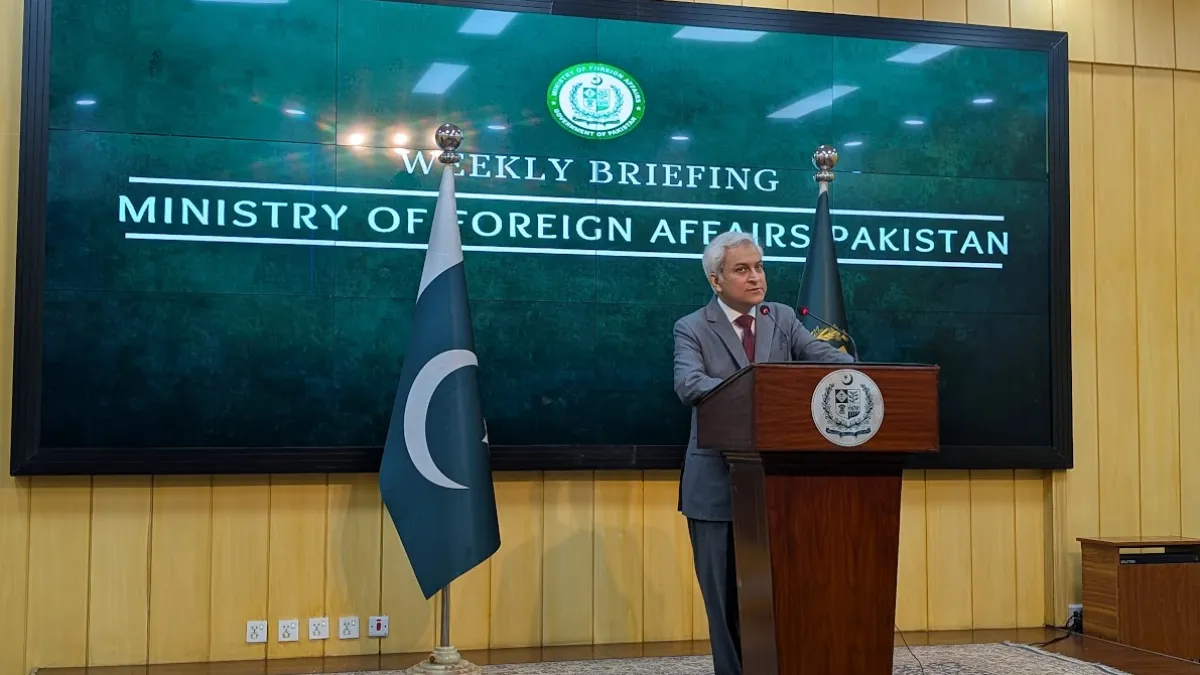

The escalating US-Iran conflict, and its reverberations across the Middle East, are presenting a complex and potentially destabilizing challenge for the region, with Pakistan increasingly positioned as a critical, albeit cautiously utilized, diplomatic conduit. Islamabad’s persistent efforts to mediate between Washington and Tehran, underscored by recent initiatives including the offer to host direct negotiations and the facilitation of Iranian vessel transit through the Strait of Hormuz, represent a calculated risk with significant implications for regional stability and economic flows. However, the success of this strategy hinges on securing genuine engagement from all parties, particularly Iran, which remains resistant to direct talks and maintains a degree of operational autonomy.
The business impact of this protracted conflict is already substantial. The disruption to oil and gas shipments through the Strait of Hormuz, a vital artery for global energy markets, has fueled inflationary pressures and exposed vulnerabilities in supply chains. Sovereign wealth funds and regional investment firms are closely monitoring the situation, with a growing emphasis on diversifying investments away from sectors directly exposed to geopolitical risk. Furthermore, the potential for escalation necessitates a re-evaluation of insurance premiums and security protocols across the maritime sector, adding to operational costs for businesses operating in the region. Sovereign capital flows are likely to remain volatile, with increased demand for safe-haven assets and a potential shift towards more conservative investment strategies.
Pakistan’s role as a facilitator is inextricably linked to the broader evolution of regional infrastructure. The successful transit of Iranian vessels through the Strait of Hormuz, a gesture of confidence despite ongoing tensions, highlights the strategic importance of maintaining critical trade routes. Beyond this immediate issue, the joint initiative brokered by Pakistan, China, Saudi Arabia, Turkiye, and Egypt underscores a nascent, albeit fragile, coalition aimed at de-escalation. This collaboration necessitates enhanced connectivity – both physical and digital – to facilitate communication and coordination. Investment in digital infrastructure, particularly secure communication networks, will be paramount to supporting diplomatic efforts and mitigating the risk of miscommunication. Moreover, the ongoing engagement with Afghanistan, despite the continuation of military operations, signals a recognition of the need for a broader regional approach to security and stability.
Finally, the geopolitical maneuvering surrounding this crisis is accelerating the diversification of Pakistan’s foreign policy. The high-level meetings in Beijing and Riyadh, alongside the continued engagement with Iran, demonstrate a deliberate strategy to cultivate strategic partnerships across the spectrum – from China’s economic influence to Saudi Arabia’s regional power and Turkiye’s diplomatic leverage. This multi-pronged approach, however, carries inherent risks, demanding careful calibration to avoid alienating any key stakeholders. The long-term success of Pakistan’s mediation efforts will ultimately depend on its ability to navigate these competing interests and leverage its position as a neutral actor to foster a sustainable and mutually acceptable resolution to the US-Iran conflict, a process that will undoubtedly reshape the economic and political landscape of the Middle East for years to come.