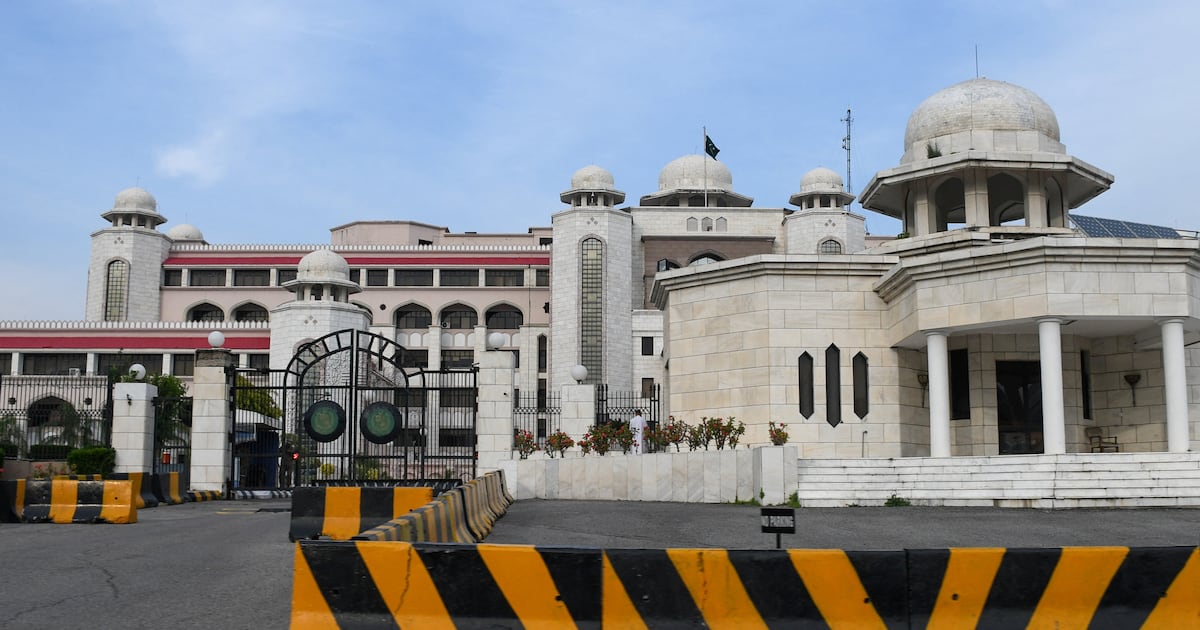

The escalating conflict between the United States and Iran is triggering a significant and multifaceted crisis across the Middle East, with profound implications for regional stability and global energy markets. Pakistan’s proactive engagement, spearheaded by Foreign Minister Ishaq Dar’s initiative to convene talks with Egypt, Saudi Arabia, and Turkey, underscores a growing recognition of the need for coordinated regional diplomacy. This effort, facilitated by Islamabad’s position as a key interlocutor – bolstered by a 15-point US framework delivered via Pakistan – represents a critical, albeit nascent, attempt to de-escalate tensions and prevent further escalation, particularly concerning the strategic Strait of Hormuz. The potential for broader regional involvement, including a unified response orchestrated through these discussions, is a crucial factor in mitigating the risk of wider conflict.
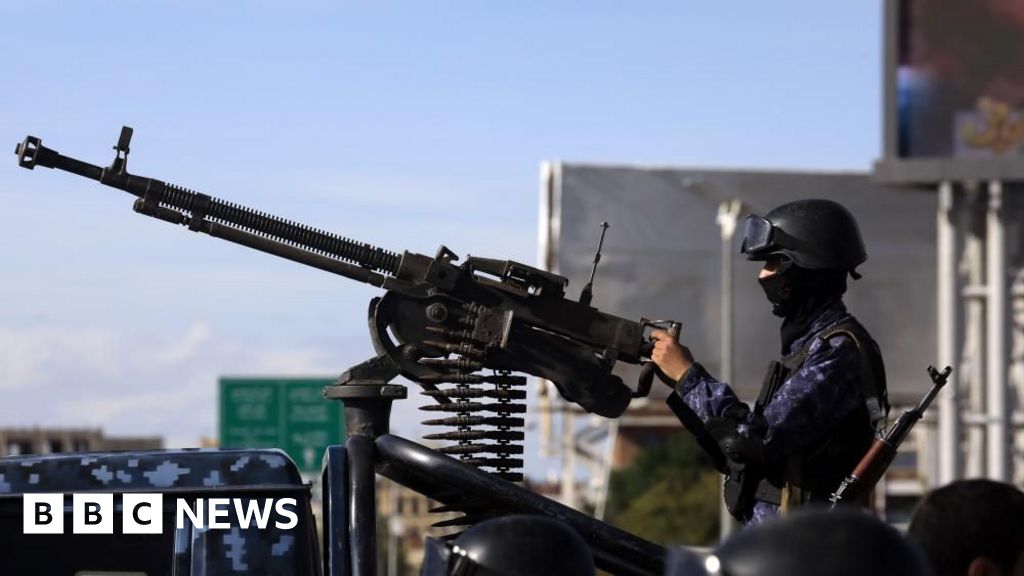
The immediate business impact is already substantial. The threat to vital shipping lanes, amplified by the entry of Houthi militants into the conflict and their targeting of Israeli ports and Red Sea shipping, is driving up insurance premiums and disrupting global supply chains. Elevated energy prices, fueled by disruptions to Gulf oil production and tanker traffic, are adding to inflationary pressures worldwide. Furthermore, sovereign wealth funds across the region are likely to be reassessing their investment portfolios, prioritizing defensive assets and potentially reducing exposure to sectors directly linked to the conflict. The vulnerability of critical infrastructure – demonstrated by drone attacks on facilities in Oman, Kuwait, and Bahrain – highlights the urgent need for enhanced cybersecurity and resilience measures across the MENA region.
Venture capital activity within the region is facing a period of significant recalibration. While long-term investment in strategic sectors like renewable energy and digital infrastructure remains a priority, immediate capital flows are likely to shift towards defensive technologies and cybersecurity solutions. Sovereign capital, traditionally a dominant force in regional investment, is expected to play a more cautious role, prioritizing stability and security over high-growth, speculative ventures. The focus will likely shift towards bolstering domestic industries and strengthening regional partnerships, potentially leading to a slowdown in overall investment compared to recent years. The potential for increased government intervention and state-backed investment in strategic sectors is also a distinct possibility, reflecting a heightened sense of national security.
Beyond the immediate economic consequences, the conflict is accelerating pre-existing infrastructural vulnerabilities. The sustained attacks on ports and energy facilities across the Gulf – including the targeting of Salman port in Oman and the disruption of the Hormuz Strait – underscore the critical need for enhanced regional defense capabilities and maritime security cooperation. Investment in hardening infrastructure, diversifying energy sources, and bolstering border security will become paramount. Moreover, the potential for escalation necessitates a renewed commitment to regional security architecture, potentially involving expanded intelligence sharing and joint military exercises. The long-term implications for regional connectivity and trade routes remain uncertain, demanding a strategic reassessment of infrastructure development priorities and a proactive approach to mitigating potential disruptions.