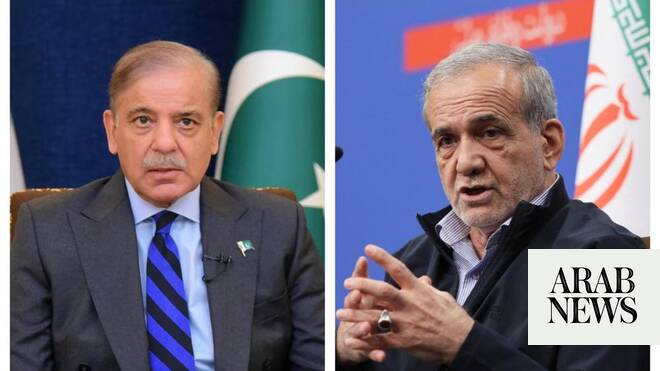

Pakistan-Iran diplomatic engagements, including recent high-level talks between Prime Minister Shehbaz Sharif and President Masoud Pezeshkian, underscore the evolving dynamics of geopolitical stability in the Middle East, with profound implications for regional economic ecosystems. By reaffirming Islamabad’s commitment to de-escalation and dialogue amid Gulf tensions, Sharif’s administration is positioning Pakistan as a strategic interlocutor for resolving energy security disputes and regional conflicts. Such stability could catalyze renewed scrutiny of sovereign capital flows into Middle East oil and gas infrastructure, particularly as global markets grapple with volatile crude prices and shifting OPEC+ production philosophies. The talks also highlight Pakistan’s emerging role as an informal guarantor of energy corridor investments, given its geographic position as a gateway to Central and South Asia, a region prioritizing diversified energy partnerships post-Ukraine.
The discussions extend beyond immediate conflict resolution, touching on broader structural reforms that could reshape sovereign capital allocation in the MENA region. Sharif’s emphasis on diplomacy aligns with regional efforts to reduce reliance on Washington-centric mediation frameworks, potentially opening avenues for localized public-private partnerships in infrastructure. Iran’s energy ministers have previously hinted at leveraging Pakistan’s connectivity to revive cross-border pipelines, a development that could attract sovereign wealth funds and institutions seeking intra-regional investment grades. Meanwhile, venture capital interest in GCC countries remains muted amid political uncertainty, but Pakistan’s regional diplomacy may indirectly stimulate alternative tech hubs in the Levant by reducing spillover security risks for cross-border startups.
Regional infrastructure remains the linchpin of this geopolitical-economic calculus. Sharif’s pledge of “a constructive role” in Gulf peace frameworks dovetails with multilateral efforts to designate Pakistan, Egypt, and Qatar as neutral guarantors for energy and trade corridors. Institutions like the New Development Bank and Islamic Development Bank are likely monitoring these talks for potential co-financing opportunities, particularly in digital infrastructure and transit chokepoints. While Iran-Pakistan cross-border investments face longstanding sanctions-related hurdles, recent U.S. signals for “negotiations at ending the war” could soften conditions for multilateral debt restructuring, unlocking capital for projects linking the Central Corridor to Arab economies. Such developments would not only alleviate sovereign debt burdens but also create revenue-sharing opportunities for Bilateral Development Banks.
The convergence of peace diplomacy and economic pragmatism in these talks signals a maturing regional ecosystem for institutional investors. While venture capital activity in MENA typically gravitates toward settled jurisdictions, Pakistan’s strategic positioning could catalyze a ripple effect—stabilizing peripheral markets to enable cross-border venture partnerships. Moreover, the emphasis on dialogue reduces the risk of supply chain disruptions for Gulf-managed sovereign wealth portfolios, particularly in logistics and agri-tech sectors critical to Saudi Vision 2030. As the Quartet of mediators advances these negotiations, policymakers must balance symbolic gestures with actionable frameworks, lest the region’s potential for integrated infrastructure development remains unrealized. The true test will lie in translating diplomatic overtures into concrete capital mobilization, determining whether this period marks a structural shift in MENA’s role as an investment nexus.