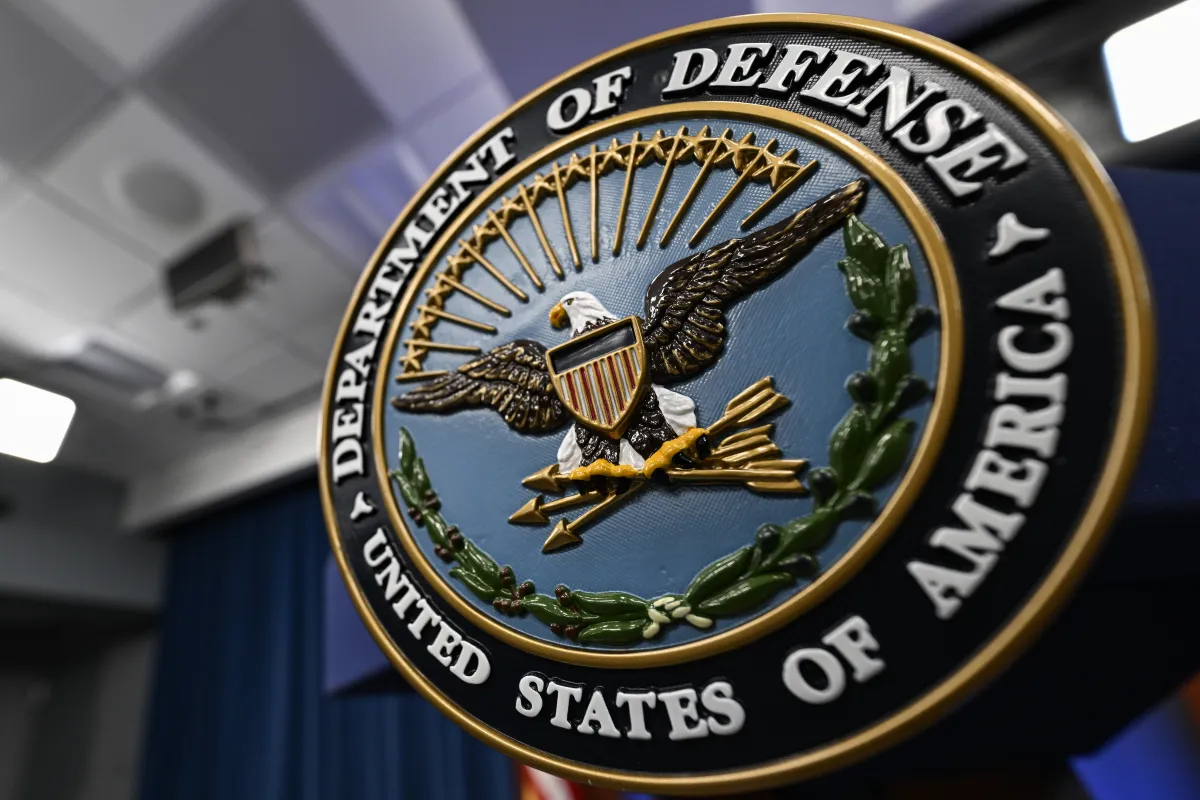

The Pentagon’s decision to phase out Anthropic’s large‑language models in favor of internally developed LLMs, coupled with fresh agreements with OpenAI and Elon Musk’s xAI, marks a broader recalibration of the U.S. defense AI procurement strategy. By designating Anthropic a supply‑chain risk, the Department of Defense is signalling a preference for fully sovereign, government‑controlled AI stacks that can be vetted for classified use without external Constraints. This shift not only tightens the security perimeter around military AI but also accelerates the trend toward nation‑state‑backed model development, reducing reliance on private‑sector partners that may impose licensing or ethical limits.
For MENA sovereign wealth funds and state‑backed investment vehicles, the Pentagon’s move validates a growing thesis: control over foundational AI infrastructure is becoming a core component of national security and economic competitiveness. In recent months, entities such as Saudi Arabia’s Public Investment Fund, Abu Dhabi’s Mubadala, and Qatar Investment Authority have increased allocations to domestic AI chipmakers, cloud‑service providers, and LLM research initiatives, viewing the Pentagon’s internalization as a catalyst to accelerate similar sovereign‑led programs across the region. Venture capital activity is likewise pivoting toward early‑stage startups that can offer secure, compliance‑ready AI platforms tailored to government and critical‑sector workloads.
The infrastructure implications are immediate and sizable. Defense‑grade LLMs require high‑assurance data centers, air‑gapped compute environments, and robust supply chains for specialized hardware—areas where MENA governments are already investing heavily through initiatives like Saudi’s NEOM Tech & Digital City, UAE’s AI Hub, and Egypt’s National AI Strategy. These projects are poised to attract not only defense contractors but also global cloud providers seeking to host sovereign‑controlled instances, thereby creating a hybrid ecosystem where international expertise meets local capital and regulatory frameworks.
Looking ahead, the Pentagon’s realignment could accelerate a regional bifurcation of the AI market: one bloc aligned with U.S.‑controlled, defense‑grade models, and another gravitating toward China‑backed or multilateral alternatives. For MENA stakeholders, the strategic imperative is to secure access to both sides while cultivating indigenous talent and IP that can withstand geopolitical pressure. Failure to do so risks leaving the region dependent on external AI vendors whose terms may shift with evolving national‑security doctrines, whereas a coordinated sovereign‑capital‑venture‑capital approach could position the MENA bloc as a credible third pole in the global AI landscape.