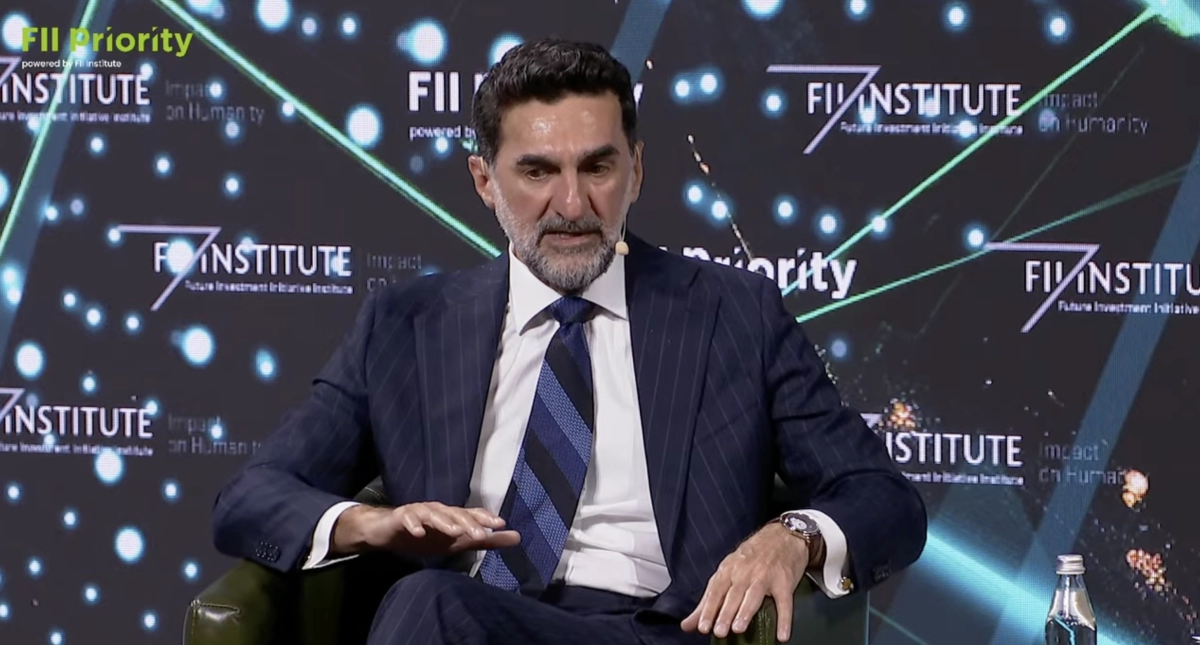

The rapidly evolving geopolitical and economic landscape of the Middle East and North Africa demands a recalibration by sovereign financial institutions poised to define the region’s capital architecture. In the context of these shifting dynamics, Yasir Al-Rumayyan, Governor of the Public Investment Fund (PIF), has underscored a strategic pivot with profound implications for regional financial flows, sovereign investor engagement, and the broader architecture of emerging market infrastructure. As the world’s capitals grapple with the interplay of technological disruption and capital reallocation, Saudi-led initiatives are not merely investments—they are strategic leverages intended to catalyze private sector entrenchment across a diversified spectrum of high-growth sectors.
The strategic recalibration outlined at FII PRIORITY Miami 2026 signals an imperative shift toward inviting third-party capital into Saudi economic projects. Rather than relying solely on domestic or state-backed mechanisms, Al-Rumayyan emphasized the need for a more inclusive capital ecosystem that integrates global institutional players. This represents a significant evolution in the sovereign capital paradigm, where blending long-term strategic patience with market-driven mechanisms accelerates the region’s financial modernization. The deliberate framing of these investments reflects a broader ambition: to embed Saudi projects within the global capital framework while simultaneously building trust and transparency for international stakeholders.
Notwithstanding the sovereign sector’s centrality, this transformation is fundamentally anchored in the venture capital and private equity sectors, which will determine whether Saudi Arabia transcends its traditional roles as a hydrocarbon exporter. The anticipated five-year strategy underscores a move toward de-risking investments and enhancing governance structures, ensuring that the influx of capital is not only significant but also sustainable. This approach aligns with the region’s aspirations to position itself as a magnet for technology-driven enterprises, particularly in AI, renewable energy, and infrastructure—sectors where the PIF’s evolving mandate promises to make a tangible impact. In doing so, the Gulf state is recalibrating its financial footprint to exert influence far beyond current borders.
The broader ramifications extend beyond pure numbers, influencing the geopolitical calculus of megacapital markets. As the Middle East and North Africa undergo this transformation, the ability of institutions like PIF to anchor regional investment flows will determine the success of Saudi Arabia’s vision for a post-oil economy. Such developments signal a decisive turning point: the region is no longer a passive recipient of global capital but an active architect of its own economic blueprint, with the support and vision of its sovereign investors proving decisive in shaping the next phase of market integration and technological adoption.