
Google Pixel 10a: A Pragmatic Step in a Fragmented Market
New York, NY – Google’s latest smartphone, the Pixel 10a, represents a deliberate recalibration of its strategy within the increasingly competitive Middle Eastern and North African (MENA) market. While lacking the headline features of the flagship Pixel 10, the 10a’s core value proposition – a robust feature set at a compelling price point – aligns with evolving consumer priorities and presents both opportunities and challenges for sovereign capital, venture capital, and regional infrastructure development.
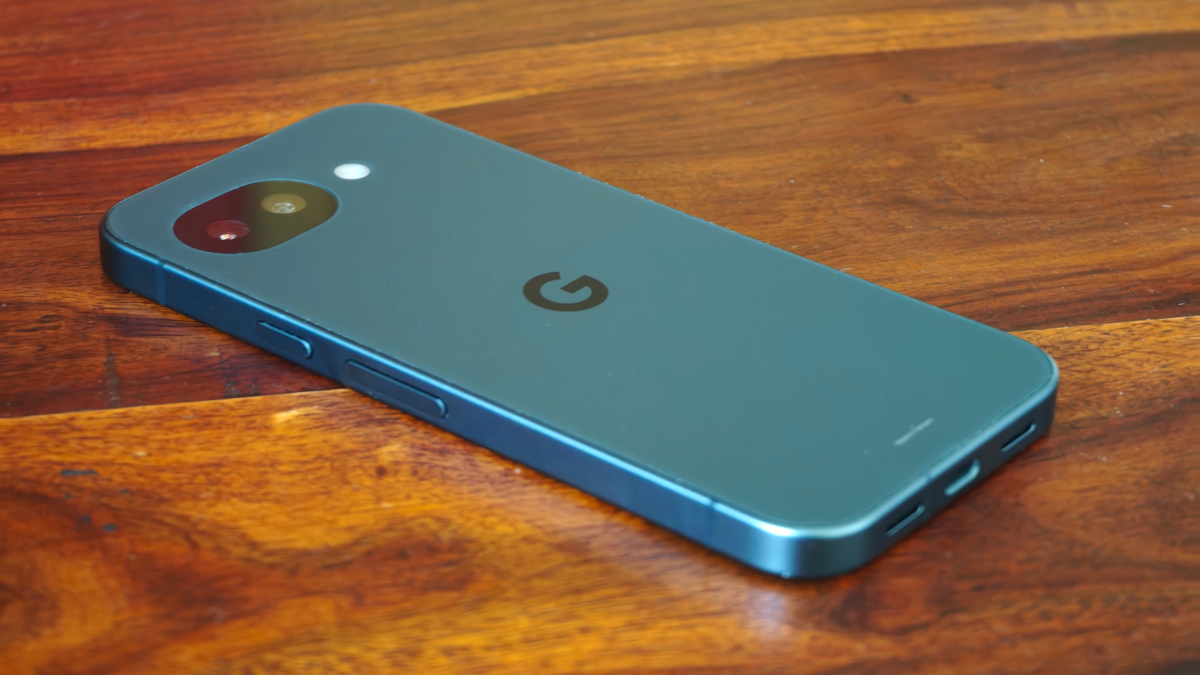
The most immediately noticeable change is the elimination of the prominent camera bump, a design trend that has dominated smartphone aesthetics for years. This shift, coupled with a brighter 3,000 nits display and a focus on practical usability, reflects a broader trend towards prioritizing functionality over purely visual appeal, a sentiment increasingly prevalent across the MENA region where value for money remains paramount. However, the decision to forgo the latest Tensor G5 chip and rely on the G4, alongside a move to Gorilla Glass 7i instead of the more robust Victus 2, indicates a calculated effort to maintain cost control. This strategy is particularly relevant given the fluctuating geopolitical landscape and the need for resilient supply chains within the region, a key consideration for sovereign wealth funds increasingly investing in technology.
The Pixel 10a’s strategic positioning as a mid-tier device presents a significant opportunity for regional venture capital firms. While larger investments are focused on AI and fintech, there’s a growing appetite for companies providing affordable, reliable smartphones – a segment often underserved by local manufacturers. Furthermore, the seven-year software update commitment, a feature typically reserved for premium devices, demonstrates Google’s commitment to long-term value, bolstering consumer confidence and potentially attracting greater investment in the broader Google ecosystem within MENA. The inclusion of features like Auto Best Take and the Quick Share functionality, leveraging AI, also highlights the potential for localized innovation and adaptation of global technologies.
The shift to a larger battery and faster charging speeds addresses a key consumer demand across the region, where extended usage and reliable connectivity are critical. This, combined with the broader infrastructure improvements – including expanding 5G coverage – are vital for supporting the growing demand for data-intensive applications. Sovereign wealth funds, particularly those focused on digital transformation, are increasingly investing in these foundational elements, recognizing their importance for driving economic diversification and fostering a digitally literate workforce. However, the reliance on USB-C charging, while standard, underscores the need for continued investment in charging infrastructure across the region, a challenge that requires coordinated efforts between governments and private sector stakeholders.
Despite its merits, the Pixel 10a’s limitations – notably the absence of the latest AI features and the use of a less durable glass – highlight the ongoing competition from emerging brands like Nothing and local manufacturers. Ultimately, Google’s success with the 10a will hinge on its ability to effectively communicate its value proposition and leverage its brand recognition to capture market share. The device’s price point and feature set represent a pragmatic approach to the MENA market, one that prioritizes affordability, reliability, and long-term value – a strategy likely to resonate with consumers and investors alike as the region continues its digital evolution.