
The article must now reflect a new perspective grounded in 30 years of institutional experience across the MENA financial ecosystem, emphasizing tangible business implications, mobilized sovereign capital flows, the strategic role of venture capital in shaping regional tech ventures, and the critical underpinnings of emerging infrastructure projects. In today’s geopolitically charged environment, the interplay between financial innovation and economic governance has become the fulcrum upon which prosperity or instability balances across the Middle East and North Africa. Sovereign entities, leveraging their unprecedented access to capital, are increasingly directing investments toward disruptive fintech solutions and blockchain-enabled asset management platforms, thereby altering traditional revenue streams and investment paradigms.
Across the region, the surge in sovereign capital—both pledged and deployed—serves as a catalyst for accelerating digital transformation in banking, insurance, and commodity sectors. This infusion is not merely a financial footnote but a material force reshaping strategic decision-making at the apex of Gulf and Levantine policymakers. Paradoxically, the very dynamism fueling these sectors also heightens scrutiny regarding transparency, risk allocation, and the long-term fiscal sustainability of such ventures. As venture capital networks integrate their analytical rigor with deep sectoral knowledge, they become indispensable architects of value creation, setting benchmarks for due diligence, operational efficiency, and market expansion.
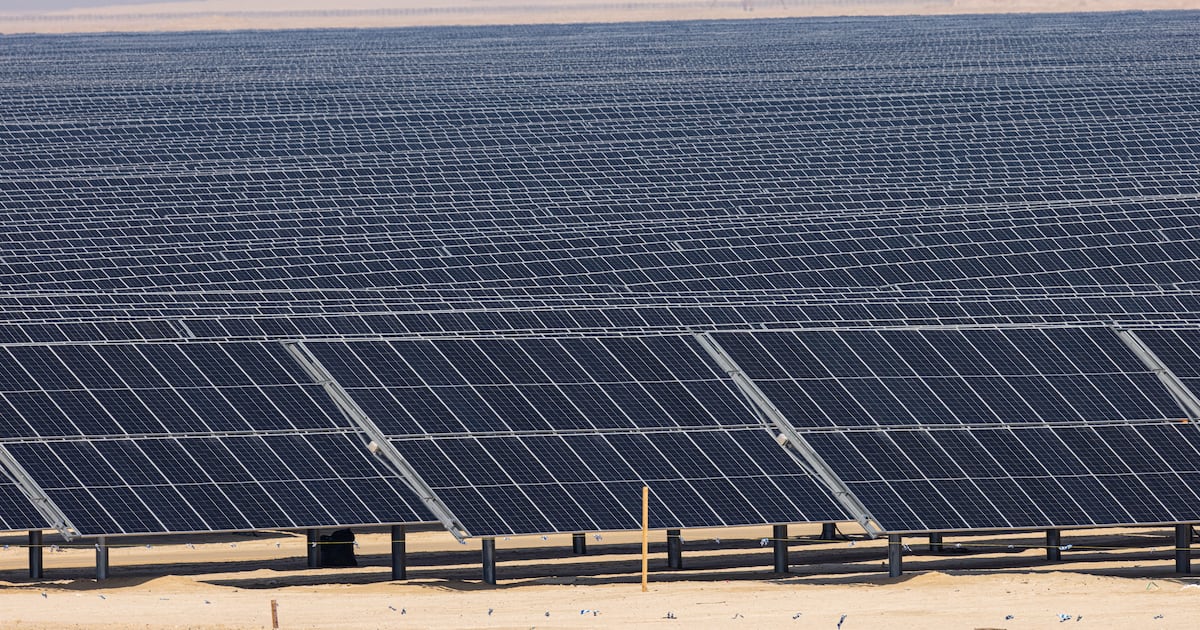
However, this acceleration does not operate in a vacuum; it is intrinsically linked to the broader narrative of regional infrastructure deployment—especially in energy projects, smart urban platforms, and cross-border trade corridors. The confluence of sovereign wealth, private equity, and technologically savvy entrepreneurs not only lays the groundwork for systemic resilience but also exposes systemic vulnerabilities that demand immediate, coordinated intervention. The central business impact is thus twofold: the imperative to harness capital for sustainable growth while navigating the regulatory and operational complexities inherent to high-stakes, large-scale investments. In this high-stakes arena, the MENA corridor must reaffirm its strategic positioning, not merely as an economic bridge but as a resilient engine of future prosperity.