
Saudi Arabia’s Vision 2030 has become the blueprint for a MENA-wide pivot toward high‑value private enterprise, underpinned by the aggressive deployment of sovereign capital through the Public Investment Fund (PIF). The Fund’s direct and indirect investments in tourism, entertainment, renewable energy, and frontier technologies now generate a multiplier effect that recalibrates regional capital allocations, drawing sovereign and institutional investors into Gulf‑wide infrastructure platforms and venture‑backed start‑ups. This influx reshapes the business landscape, encouraging public‑private partnerships, accelerating deregulation, and positioning the Kingdom as the principal gateway for capital seeking exposure to a diversified Middle‑East economy.
The reform agenda, however, has necessitated a recalibration of fiscal subsidies that historically insulated citizens from market price signals. The removal of fuel discounts, expansion of VAT, and gradual reduction of utility subsidies reflect a shift toward fiscal sustainability and a more market‑oriented pricing structure. While these adjustments reinforce long‑term macroeconomic resilience, they also impose immediate cost pressures on households, widening the gap between aggregate growth and micro‑level purchasing power, a dynamic observable across the Gulf Cooperation Council and influencing labor cost structures throughout the region.
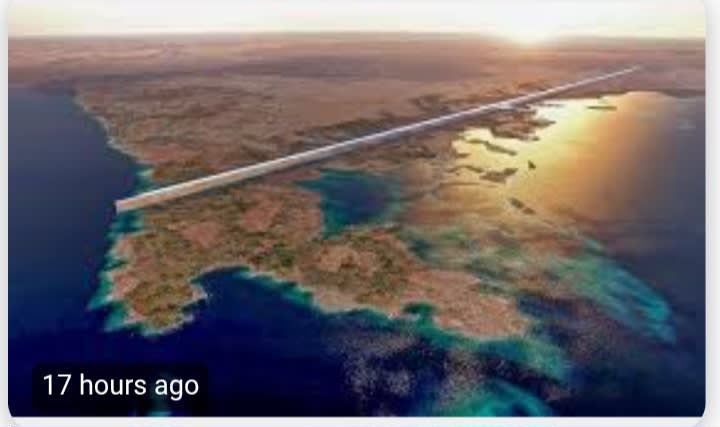
Strategic infrastructure projects—NEOM, the Red Sea development, Qiddiya, and extensive rail and ports upgrades—are not merely national flagship initiatives; they are catalysts for a broader logistics network that integrates Arabian Gulf markets with African and Asian trade corridors. By channeling sovereign and multilateral funding into these assets, the Kingdom drives demand for advanced construction, digital layering, and green technologies, stimulating venture capital pipelines that target clean‑energy, smart‑city, and mobility solutions. The resulting ecosystem encourages regional firms to scale, fostering a competitive industrial base that extends beyond oil‑centric value chains.
The transition toward a post‑oil economy creates a paradox: robust macro indicators coexist with palpable financial strain for many households, reflecting the inherent friction of structural change. For investors, sovereign funds, and venture capitalists, this tension underscores a critical evaluation point—sustained growth will depend on aligning wage growth and private sector productivity with the cost adjustments imposed by reform. If successful, the Kingdom’s playbook offers a replicable model for the broader MENA region, where sovereign capital is increasingly mobilized to bridge the gap between ambitious diversification goals and the lived economic realities of their populations.