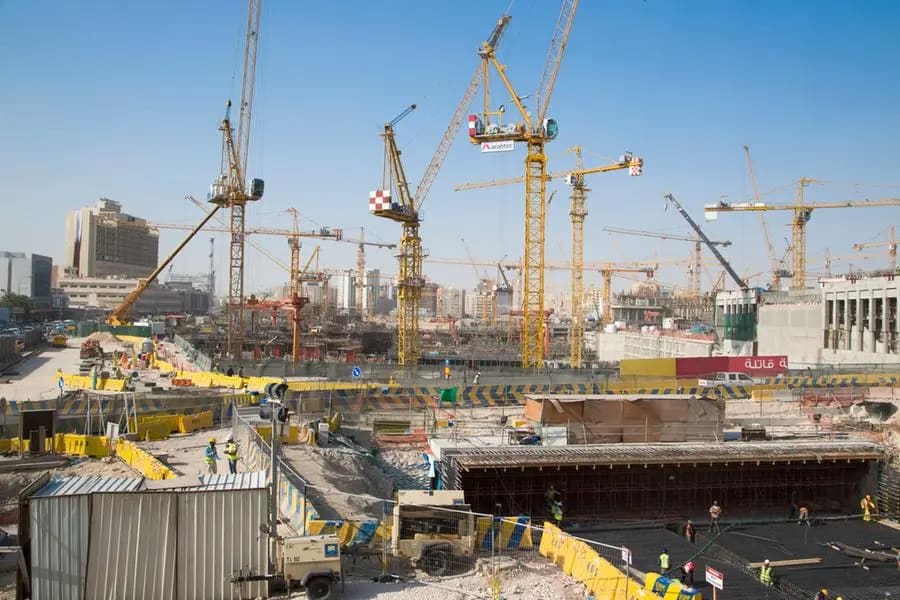

Qatar’s construction market is poised for robust expansion, projected to reach USD 167.5 billion by 2034, exhibiting a compound annual growth rate (CAGR) of 10.17% from 2026, according to recent analysis. This growth is intrinsically linked to Qatar’s National Vision 2030, a strategic framework prioritizing economic diversification away from its traditional hydrocarbon reliance and fostering significant investment in infrastructure development. The scale of these planned projects presents substantial opportunities for both sovereign wealth initiatives and burgeoning venture capital activity within the MENA region, particularly in areas like smart city development (Lusail), transportation networks, and expanded utility frameworks. The government’s commitment to these large-scale undertakings acts as a foundational driver, creating a predictable and substantial demand pool.
A critical enabling factor for this growth is the accelerating adoption of advanced technologies, notably artificial intelligence (AI). AI-powered tools, including predictive analytics and machine learning, are increasingly used to mitigate cost overruns and delays in complex projects, aligning perfectly with Qatar’s ambition for efficient project delivery. Alongside, the integration of AI with Building Information Modeling (BIM) and digital twins is enhancing planning, scheduling, and real-time decision-making. This technological advancement isn’t limited to efficiency; it’s also fostering innovation in sustainable construction practices, a key priority for the nation. The substantial capital required for these technologically advanced projects is attracting both domestic sovereign funds actively seeking portfolio diversification and international venture capital firms eager to capitalize on the burgeoning tech-construction intersection in the region. The ongoing National AI Strategy and Digital Agenda 2030 are further incentivizing this adoption, positioning Qatar as a regional leader in smart infrastructure.
The demand pipeline is significantly fueled by ongoing developments in the energy sector, particularly the North Field expansion, which necessitates extensive industrial construction. Simultaneously, investments in renewable energy infrastructure provide further avenues for capital deployment and technological innovation. This strong public sector investment is complemented by a growing role for private-public partnerships (PPPs), attracting foreign direct investment and promoting efficiency. The regional implications extend beyond Qatar’s borders, as the country’s infrastructure projects serve as a hub for specialized engineering and construction firms across the wider MENA region, fostering knowledge transfer and potential export opportunities. Furthermore, the demand for logistics, data centers, and healthcare facilities reflects the broader urban development trends and creates a diversified investment landscape for regional and international players.
The success of Qatar’s construction ambitions hinges on the continued alignment of public policy, technological advancement, and strategic investment. The country’s demonstrable commitment to sustainable infrastructure development and leveraging cutting-edge technologies positions it as a bellwether market for the future of construction in the MENA region. This creates a compelling investment opportunity for institutions seeking stable, long-term returns, and solidifies Qatar’s position as a major driver of regional development and a testing ground for innovative construction methodologies. The scale of projects and the proactive embrace of technological disruption are key factors attracting significant sovereign wealth and venture capital, solidifying Qatar’s construction market as a cornerstone of regional economic growth.