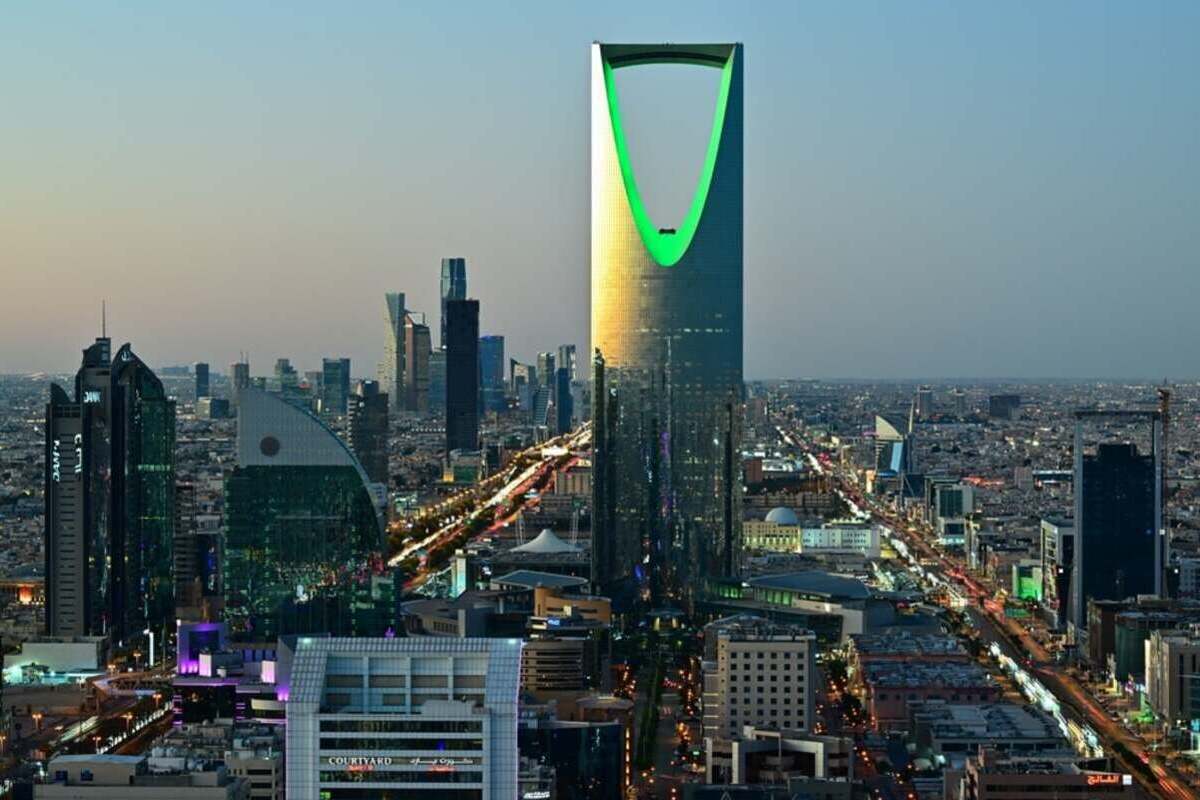

The Saudi economic diversification initiative has catalyzed a paradigm shift within the region’s financial ecosystem, reallocating sovereign capital toward non-monetary assets while positioning innovation as a cornerstone. Sovereign investments now prioritize long-term asset resale and technological advancement, diminishing reliance on hydrocarbon revenues. This recalibration accelerates venture capital inflows, fostering startup ecosystems that challenge traditional centralized models, thereby altering competitive dynamics across MENA markets. The resultant capital reallocations underscore a strategic pivot toward sustainability and digital transformation, shaping regional investment landscapes irrevocably.
Monoculture dependencies remain mitigated through targeted infrastructure projects, bolstered by global capital mobilization. Enhanced connectivity initiatives, such as the NEOM and gigaprojects, necessitate interdisciplinary expertise, driving labor migration and talent retention. Concurrently, venture capital underscores a speculative appetite for disruptive ventures, amplifying pressure to align policy with global ESG standards. Such synergies redefine development methodologies, influencing regional benchmarks for efficiency and accountability.
Infrastructure modernization emerges as a dual outcome, addressing immediate structural gaps while enabling scalable solutions. Public-private partnerships now dominate, ensuring infrastructure resilience that underpins subsequent economic activity. Regional collaboration further intensifies, fostering cross-national synergies that counterbalance isolationist tendencies, thereby strengthening collective capacity to navigate geopolitical and economic flux. This interconnected approach ensures sustainable growth trajectories aligned with global priorities.