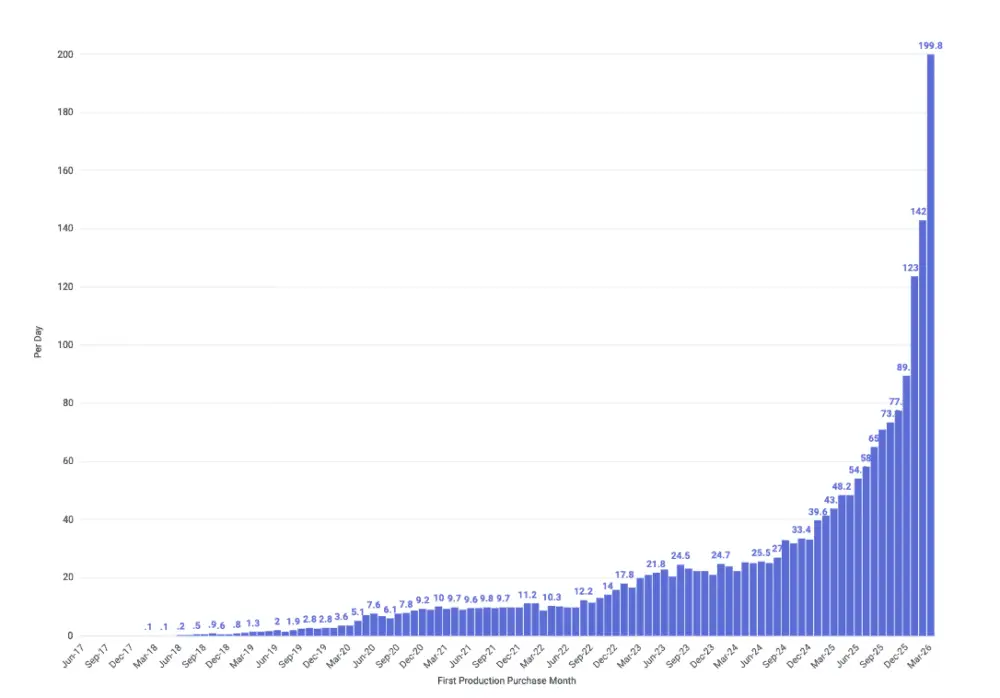

The rapid expansion of RevenueCat, a leading provider of mobile subscription billing infrastructure, underscores a significant shift in the Middle East and North Africa (MENA) region’s burgeoning technology ecosystem. While the company’s North American dominance – processing over $1 billion monthly in subscription revenue and powering 50% of mobile subscription apps – is well-documented, the underlying trend of accelerated mobile app development, fueled by accessible development tools and increasingly sophisticated “vibe coding” methodologies, presents a compelling opportunity for MENA-based businesses and sovereign wealth funds.
The surge in developers shipping monetized mobile apps, evidenced by RevenueCat’s data showing a 40% month-over-month increase in new developers in March 2026, has profound implications for regional venture capital (VC) activity. MENA’s VC landscape, already demonstrating resilience and a focus on high-growth sectors, should anticipate a corresponding rise in demand for supporting infrastructure. This includes not only billing and analytics platforms like RevenueCat, but also DevOps tools, cloud hosting services, and cybersecurity solutions. Sovereign capital, particularly from entities like Mubadala Investment Company and Saudi Arabia’s Public Investment Fund (PIF), should strategically consider investments in these enabling technologies, recognizing their potential to amplify the impact of the region’s broader digital transformation initiatives. The proliferation of smaller, rapidly iterating mobile businesses will necessitate a more robust and scalable backend ecosystem.
Furthermore, the “vibe coding” phenomenon, facilitated by platforms like Replit and Claude Code, is effectively democratizing app development, lowering the barrier to entry for entrepreneurs across the MENA region. This trend necessitates significant investment in regional infrastructure. While cloud adoption is growing, the need for localized data centers and robust internet connectivity remains critical to support this surge in mobile activity. Governments across the region are already prioritizing digital infrastructure development, but the pace must accelerate to accommodate the anticipated demand. The rise of smaller, independent developers also presents a challenge for traditional regulatory frameworks, requiring a more agile and supportive approach to fostering innovation while mitigating risks.
Ultimately, RevenueCat’s experience serves as a potent case study for MENA’s technology ecosystem. It highlights the importance of identifying and capitalizing on broader technological tailwinds, rather than solely focusing on building standalone AI products. For regional founders, the imperative is clear: understand how AI is reshaping their respective markets and proactively position their businesses to capture the resulting opportunities. For sovereign wealth funds and VC investors, the focus should be on supporting the infrastructure and enabling technologies that will underpin this new wave of mobile innovation, solidifying the MENA region’s position as a dynamic hub for digital entrepreneurship.