
The evolving strategic landscape of the Middle East and North Africa (MENA) is marked by a convergence of geopolitical imperatives and capital deployment, with sovereign finance, venture capital ecosystems, and infrastructure development accelerating at an unprecedented pace. As these regions recalibrate amid shifting global power dynamics, the recent agreement between Rosatom and DP World signals not merely a commercial arrangement but a pivotal reorientation of logistics and energy infrastructure. This joint venture, which intertwines nuclear expertise with modern maritime logistics, encapsulates the region’s dual focus on securing energy transportation routes and diversifying sovereign investment portfolios.
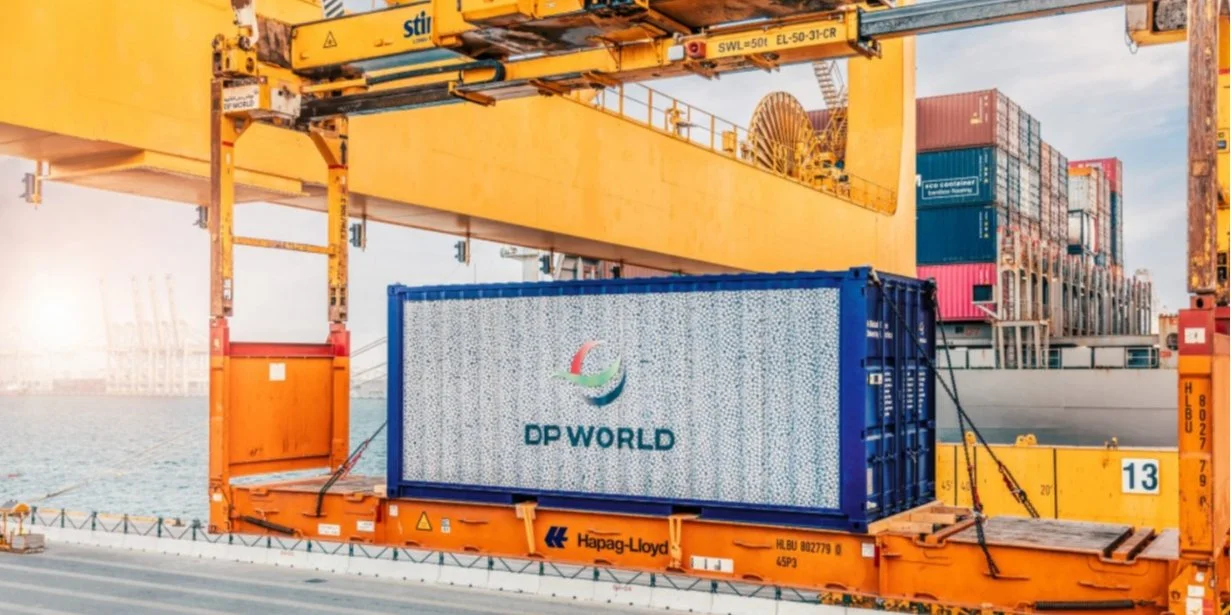
The confluence of sovereign capital and technological innovation is reshaping the competitive matrix within the MENA corridor. Investment vehicles, both state-backed and private equity-driven, are increasingly channeling funds toward infrastructure that underpins strategic national interests. In this context, the collaboration between Rosatom and DP World illustrates a calculated move to bolster port operations, deepen integration with the Northern Sea Route, and amplify cargo throughput across critical trade nodes. Such synergies are not only geopolitically significant but also directly impact the value proposition of regional assets, positioning MENA as a nexus for cross-sectoral economic momentum. The partnership underscores the sector’s shift toward resilience against global disruptions, reinforcing the need for sophisticated, sovereign-informed investment frameworks.
Infrastructure maturation across the region is increasingly tied to the alignment of public and private capital to scale emerging paradigms in transport and energy logistics. The establishment of such joint ventures reflects an acute understanding of market imperatives, where strategic alliances between state-owned enterprises and global players unlock latent potential for growth. For MENA, this development reinforces the sector’s relevance beyond conventional energy flows—it becomes a critical axis around which future trade, investment, and technological progress will revolve. The implications extend beyond immediate fiscal returns; they herald a fundamental transformation in regional connectivity, positioning the area as a linchpin in the broader continental integration agenda.
From an analytical standpoint, the convergence of these forces—entrepreneurial capital, sovereign authority, and technological advancement—defines the current inflection point in the MENA financial narrative. Those who recognize the long-term value embedded in these strategies will be best positioned to navigate and capitalize on the region’s escalating economic imperatives. The trajectory painted here is neither inconclusive nor passive; it is a strategic assertion of influence in an era defined by integrated infrastructure and financial innovation.