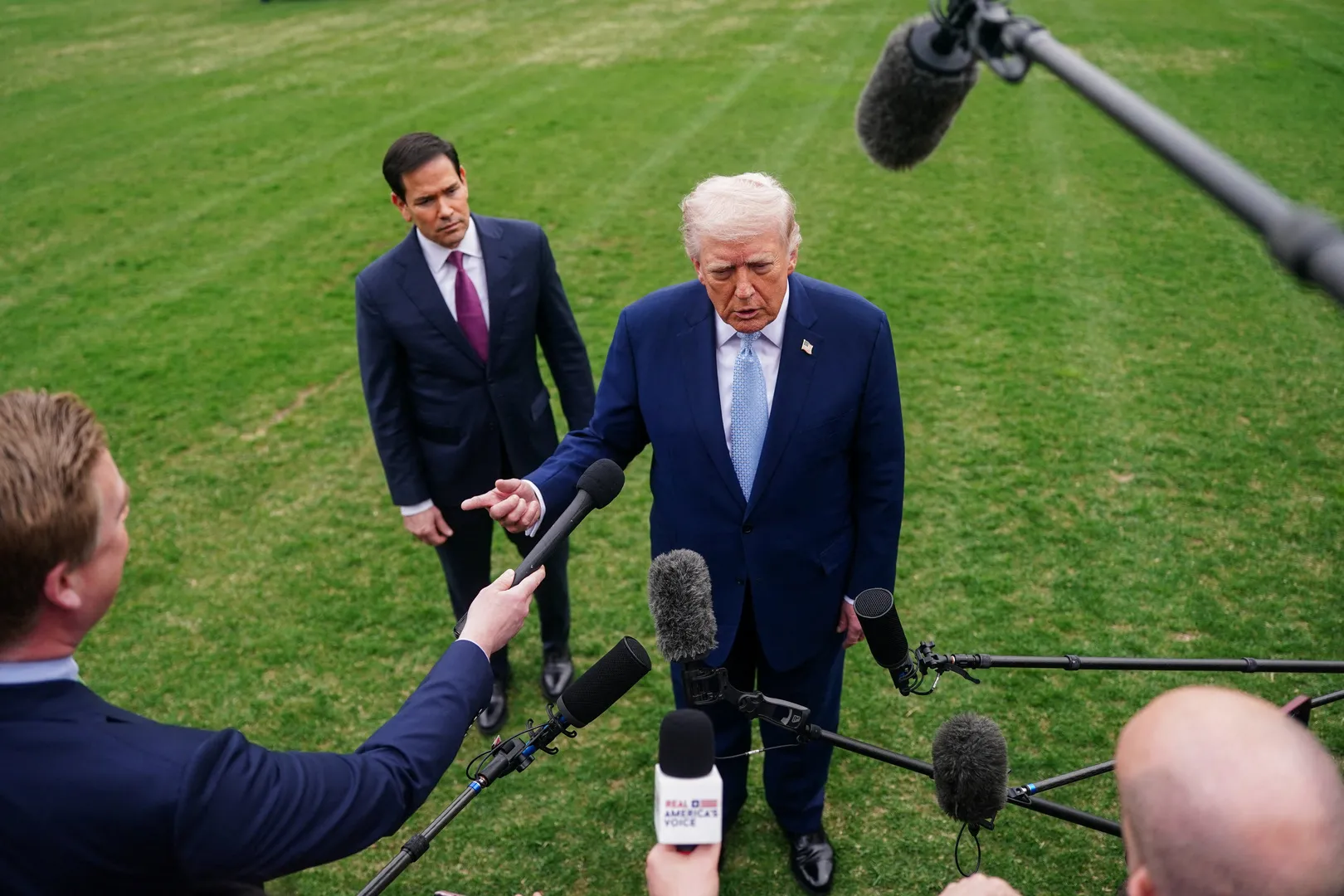

US Secretary of State Marco Rubio’s criticism of NATO allies for obstructing American military operations against Iran underscores a pivotal shift in Washington’s strategic calculus, with profound ramifications for the Middle East and North Africa (MENA). The US’s potential re-evaluation of NATO’s utility post-conflict signals a recalibration of transatlantic defense partnerships, which could embolden MENA states to assert greater autonomy in balancing regional security dynamics. This shift may reduce Washington’s direct military footprint in the region, compelling MENA governments to reassess alliances and investments in sovereign defense infrastructure. For instance, Gulf monarchies and North African nations might accelerate domestic defense spending or seek alternative partnerships, potentially diverting capital from other priorities. Such geopolitical realignments could create both opportunities and vulnerabilities, particularly as China and Russia deepen their economic and military engagement in the region.
The destabilizing effect of US-Iran tensions on MENA’s sovereign capital flows cannot be overstated. Historically, regional governments have relied on Western financial institutions and defense contractors to underpin infrastructure and sovereign wealth fund strategies. However, Washington’s pivot could weaken this framework, forcing MENA states to bolster their own capital markets and reduce reliance on external creditors. Countries like Saudi Arabia and the UAE, already diversifying through Vision 2030 and the UAE’s $500 billion wealth fund respectively, may pivot toward regional financing mechanisms, such as sukuk bonds, to fund infrastructure projects. Simultaneously, the uncertainty could deter venture capital inflows, as foreign investors recalibrate risk appetite amid overlapping conflicts. This environment might spur a rise in sovereign-backed venture capital vehicles, blending public and private capital to de-risk high-return sectors like renewable energy and fintech.
Regional infrastructure development—critical to MENA’s long-term economic resilience—faces heightened scrutiny amid shifting geopolitical alliances. The US’s reduced emphasis on NATO coordination could disrupt collaborative projects with Gulf states, particularly in joint ventures for port expansions, data centers, and renewable energy hubs. However, this may also catalyze MENA governments to prioritize homegrown infrastructure initiatives, leveraging their strategic locations to attract alternative investors. Countries like Morocco and Egypt, with ambitions to become regional logistics hubs, could accelerate mega-projects by partnering with Asian and European firms excluded from US-led initiatives. Crucially, the interplay between sovereign capital liquidity and infrastructure execution will determine whether MENA can sustain its economic modernization drive or succumb to fragmentation. The region’s ability to navigate these tensions will hinge on institutional agility and the strategic deployment of capital toward sectors less exposed to geopolitical volatility.