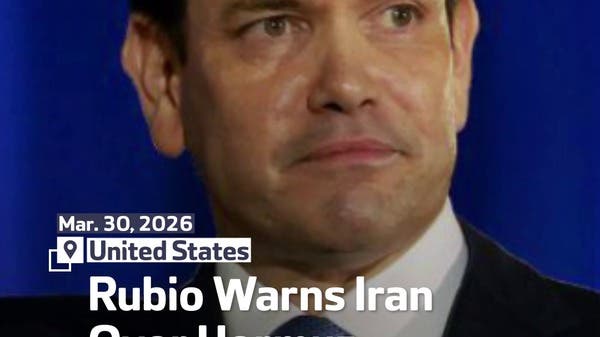

The escalating tensions surrounding Hormuz Strait, as underscored by U.S. Senate Foreign Relations Committee Chair Marco Rubio’s warnings, represent a critical inflection point for sovereign capital dynamics in the Middle East and North Africa (MENA). Regional governments, already navigating a complex web of resource finite capital flows and inflationary pressures, must recalibrate sovereign wealth fund (SWF) strategies to mitigate geopolitical risks. Hormuz, a linchpin for crude oil and product transportation, directly impacts energy export revenues that underpin sovereign coffers across GCC nations and non-energy-dependent MENA states. For countries reliant on Hormuz transits, such as Iran itself and neighboring states managing downstream trade corridors, the specter of disruptions could precipitate capital outflows or constrained investment appetite. Sovereign entities may increasingly prioritize diplomatic hedging or diversification into non-traditional revenue streams, prompting SWFs to allocate resources toward geopolitical risk mitigation or de-risked infrastructure projects. This recalibration could divert capital from traditional fossil fuel assets toward renewable energy or digital transformation initiatives, signaling a strategic pivot in MENA’s sovereign capital architecture.
The venture capital (VC) ecosystem in the MENA region faces an asymmetrical challenge in this environment. While regions of the global south continue to attract VC inflows amid favorable macro conditions, the Middle East’s VC landscape, already fragmented by regulatory uncertainty and policy inconsistencies, is further destabilized by Hormuz-related geopolitical volatility. Startups in logistics, energy tech, or regional connectivity solutions may struggle to secure funding as institutional investors recalibrate risk thresholds amid fears of supply chain fragmentation. Conversely, sovereign-backed institutions and regional development funds could seize opportunities to inject targeted capital into vetted startups addressing localized challenges—such as alternative transportation technologies or AI-driven trade optimization—to insulate economies from Hormuz-specific shocks. However, the region’s VC maturitization timeline may stall if prolonged geopolitical instability erodes confidence among international investors, underscoring the need for proactively cultivated public-private partnerships to bolster liquidity resilience.
The infrastructure implications of Hormuz tensions are both immediate and existential for the MENA region’s economic architecture. The Strait’s vulnerability necessitates urgent reconsideration of regional infrastructure dependencies, particularly in energy, maritime logistics, and digital connectivity hubs. Measured sovereign investments in alternative transit routes—such as the recently expedited Qatar-Pakistan gas pipeline or Japan’s planned Gwadar port linkages—must be prioritized to reduce strategic chokepoint exposure. Simultaneously, governments and tech firms should collaborate on digital infrastructure projects, including AI-driven supply chain management platforms or blockchain-based trade finance systems, to circumvent physical bottlenecks. These initiatives, while requiring upfront sovereign capital, will enhance long-term regional resilience and position MENA as a hub for tech-enabled trade solutions. The window to act is narrowing; incremental reforms in infrastructure policy and cross-border digital collaboration will determine whether the region emerges from this geopolitical turbulence as a reactive economy or a proactive innovation-driven one.