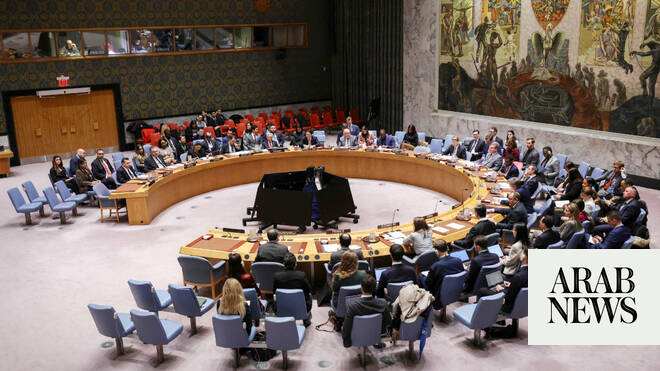

The veto by Russia and China on Bahrain’s UN Security Council resolution regarding the Strait of Hormuz underscores a critical failure in global governance, with profound implications for sovereign capital markets and regional economic stability in the Middle East and North Africa (MENA). The Strait’s role as a linchpin for 38 percent of global crude oil exports and 29 percent of liquefied natural gas supplies positions MENA economies—particularly Gulf Cooperation Council states—at the forefront of geopolitical risks. Any disruption to this chokepoint threatens not only hydrocarbon revenues but also broader sovereign wealth funds that rely on stable energy markets. The resolution’s dilution to mere symbolic language exacerbates uncertainty, discouraging long-term capital investment in MENA infrastructure projects that depend on predictable energy price cycles. Sovereign capital managers in the region may face increased volatility, compelling reallocation of funds toward defensive geopolitical risk mitigation rather than core economic development initiatives.
The stalemate in securing binding maritime security measures also jeopardizes venture capital flows into MENA’s tech and infrastructure sectors. Startups and enterprises reliant on global trade corridors, including digital infrastructure facilitating cross-border energy transactions or logistics optimization, face heightened operational risks. Investors in renewable energy or smart port infrastructure—key growth areas in the region—may prioritize rapid scalability abroad over MENA due to perceived political instability. Moreover, Iran’s escalation tactics, including ballistic missile threats and economic coercion via the Strait, could accelerate diversions in energy trade routes. This would amplify regional infrastructure demands, potentially diverting sovereign investment from domestic priorities like coastal desalination plants to alternative energy storage or maritime power technologies. The absence of a unified security framework leaves MENA states vulnerable to cascading economic shocks, undermining the region’s ability to attract foreign capital for high-impact tech ventures.
Regional infrastructure resilience will become a strategic imperative as geopolitical friction over the Strait of Hormuz intensifies. Gulf and MENA states may accelerate investments in intra-regional energy pipelines and LNG hubs to reduce reliance on chokepoints, though such projects require supranational cooperation that the current political climate hampers. Additionally, the buildup of military or surveillance infrastructure to safeguard maritime trade could strain fiscal space in countries with narrow sovereign debt margins. From a technological standpoint, advancements in alternative shipping routes or digital monitoring systems may emerge as critical investments, yet these require stable capital environments to flourish. The combination of sovereign capital uncertainty and fragmented infrastructure planning could stall MENA’s transition to a diversified, technology-driven economy, reinforcing dependency on hydrocarbon-linked markets despite regional ambitions for structural reform. The crisis thus serves as a stark reminder of how geopolitical equilibrium—or its absence—dictates the pace and scope of financial and technological progress in the region.