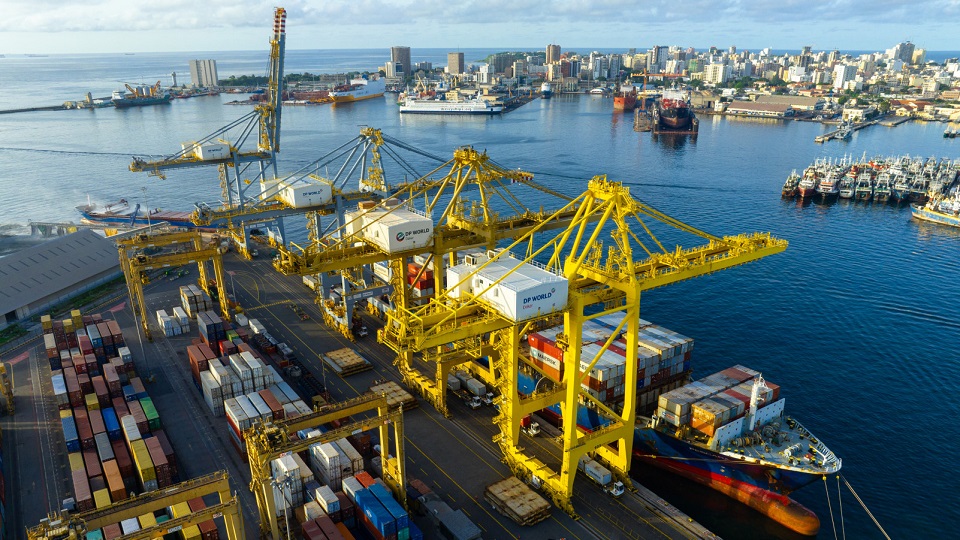

The recent developments underscore a pivotal inflection point for the MENA region, where the convergence of sovereign capital, venture funding, and strategic infrastructure is reshaping competitive dynamics. The Russian Federation’s alignment with Rosatom through a joint venture that leverages DP World’s extensive global footprint reflects a calculated move to secure critical access to maritime logistics arteries. This deal not only consolidates Russia’s operational leverage but also amplifies the geopolitical stakes inherent in Dubai Ports World’s previously disrupted Ukrainian holdings. The strategic value lies in how DP World’s control over a majority stake in FESCO—a Russian state asset—grants Rosatom unprecedented reach through its expansive network of 78 marine terminals. Such integration directly impacts trade flows, enabling faster service expansion into the Northern Sea Route while diversifying routes that circumvent Western sanctions.
From a business impact perspective, the implications extend far beyond bilateral interests. Sovereign capital mobilization has catalyzed a new era in venture deployment, with regional investors increasingly eyeing infrastructure assets that bridge connectivity, regulatory navigability, and long-term yield. The financing structure—combining private capital from DP World with Rosatom’s state endorsement—signals a model that blurs the lines between public and private influence, complicating traditional risk assessments. For investors and operators, this means recalibrating exposure to ensure alignment with evolving ownership hierarchies and geopolitical constraints. The market is responding with heightened scrutiny, as transparency around these partnerships becomes a decisive factor in capital allocation decisions.
The broader regional infrastructure narrative is equally compelling. DP World’s global presence underscores the centrality of the Middle East and North Africa as nodes within an expanding network of supply chains. As state-backed entities consolidate control over critical nodes, the risk of disrupted flows—particularly in energy-sensitive markets—becomes more pronounced. This development necessitates urgent coordination among regional stakeholders to reinforce resilience without compromising strategic partnerships. Ultimately, the path forward hinges on balancing economic ambition with prudent oversight, ensuring that commercial gain does not become a catalyst for systemic vulnerability.
In this environment, firms must prioritize due diligence and regulatory engagement to navigate the intricate web of capital, ownership, and operational realities shaping the region’s future. Only through institutional rigor can stakeholders hope to safeguard both investment integrity and the enduring stability of global trade routes.