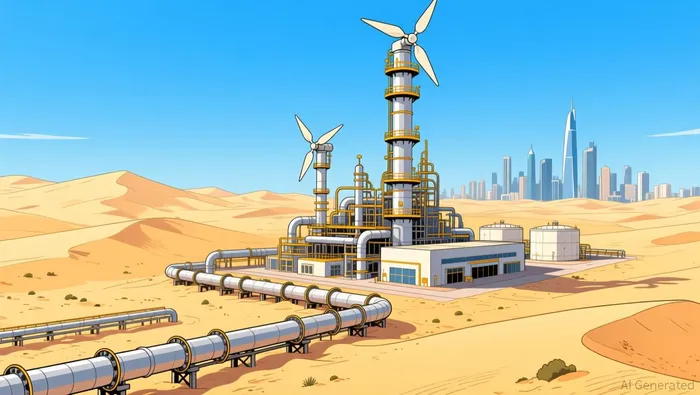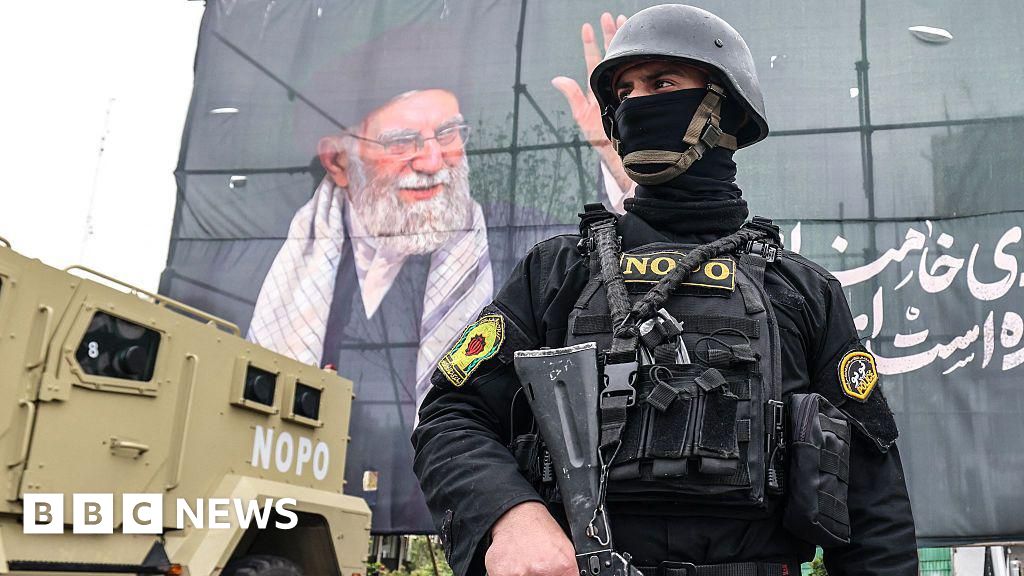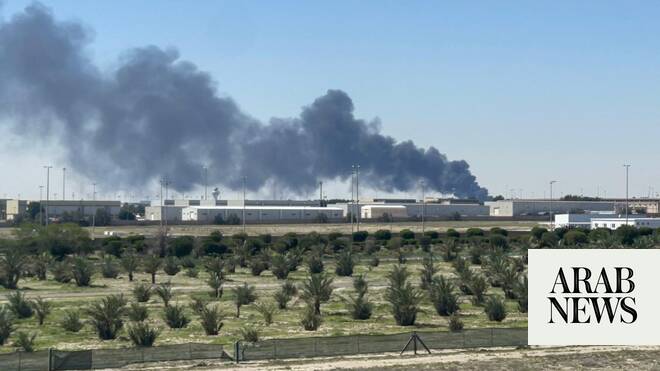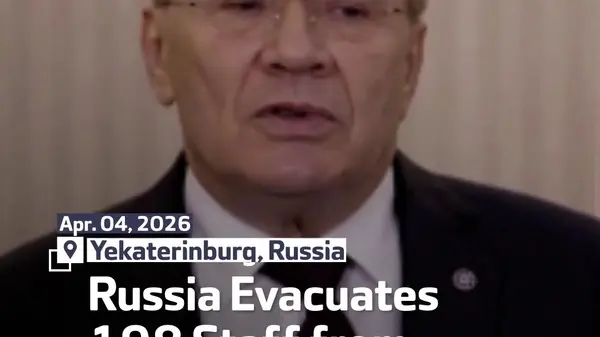

Russia’s evacuation of 198 staff from Iran’s Bushehr nuclear plant underscores the precarious balance of geopolitical and economic dependencies in the Middle East and North Africa (MENA) region. The move, attributed to heightened tensions and security concerns, disrupts a critical bilateral partnership that has long been emblematic of Russia’s influence in the region. For Iran, the exodus of technical personnel threatens the plant’s operational viability—a linchpin of its civilian nuclear infrastructure—and exacerbates vulnerabilities in its sovereign capital framework. As global sanctions and energy market volatility intensify, the disruption may erode investor confidence in transnational energy projects, particularly those reliant on cross-border collaboration. This development further entrenches the MENA region’s structural challenges in accessing stable sovereign financing, as capital flight from risk-prone geopolitical theaters squeezes already overextended state budgets.
The fallout extends to venture capital (VC) dynamics, where heightened geopolitical risk materializes as a tangible deterrent to foreign investment. MENA’s nascent VC ecosystem, still grappling with local liquidity constraints and regulatory fragmentation, now faces a credibility crisis. Global investors, already cautious about currency risks and policy unpredictability, may recalibrate exposure to sectors like renewable energy, water infrastructure, and fintech—areas where Bushehr’s partnership symbolized cross-regional innovation. Compounding this, the evacuation amplifies fragmentation in energy security strategies, compelling regional states to reassess reliance on volatile partnerships. For sovereign wealth funds and institutional investors, the event highlights the growing disconnect between long-term infrastructure needs and short-term political risks, complicating efforts to de-risk investments in underdeveloped regions.
On a macro scale, the Bushehr incident catalyzes a reassessment of regional infrastructure priorities, particularly in energy and nuclear governance. The plant’s partial operational suspension could accelerate MENA states’ pivot toward domesticizing critical technologies, prioritizing self-sufficiency in nuclear safety and energy production. Such shifts may spur alliances with alternative partners—China, India, or UAE entities—reshaping supply chains and capital flows. However, this realignment risks deepening the region’s reliance on opaque financing mechanisms, as sanctions-compliant institutions and shadow banking networks fill gaps left by conventional financial systems. For sovereign capital, the lesson is stark: stability in investment appetite hinges on institutional coherence, not just geopolitical alignment, a reality that MENA’s policymakers must confront urgently to sustain economic resilience.