
Escalating tensions between the United States and Iran pose significant risks to capital flows across the Middle East and North Africa, with sovereign wealth funds and institutional investors likely to adopt defensive postures in the near term. The region’s largest sovereign wealth vehicles, including Saudi Arabia’s Public Investment Fund, Abu Dhabi’s ADIA and Mubadala, and Qatar’s Investment Authority, maintain substantial exposure to global markets and will likely recalibrate risk allocation frameworks should geopolitical instability intensify. Historical precedent suggests that periods of heightened US-Iran antagonism correlate with increased volatility in regional equity markets and capital flight from frontier economies.
The venture capital and startup ecosystem across the MENA region faces particular vulnerability, as risk-averse global LPs may delay or reduce commitments to regional funds. The UAE, Saudi Arabia, and Egypt have emerged as key startup hubs over the past five years, attracting billions in foreign direct investment. Sustained geopolitical uncertainty could reverse this momentum, with technology companies bearing the brunt of reduced liquidity and delayed funding rounds. Cross-border deal activity, which has been a hallmark of regional integration efforts, would likely contract sharply.
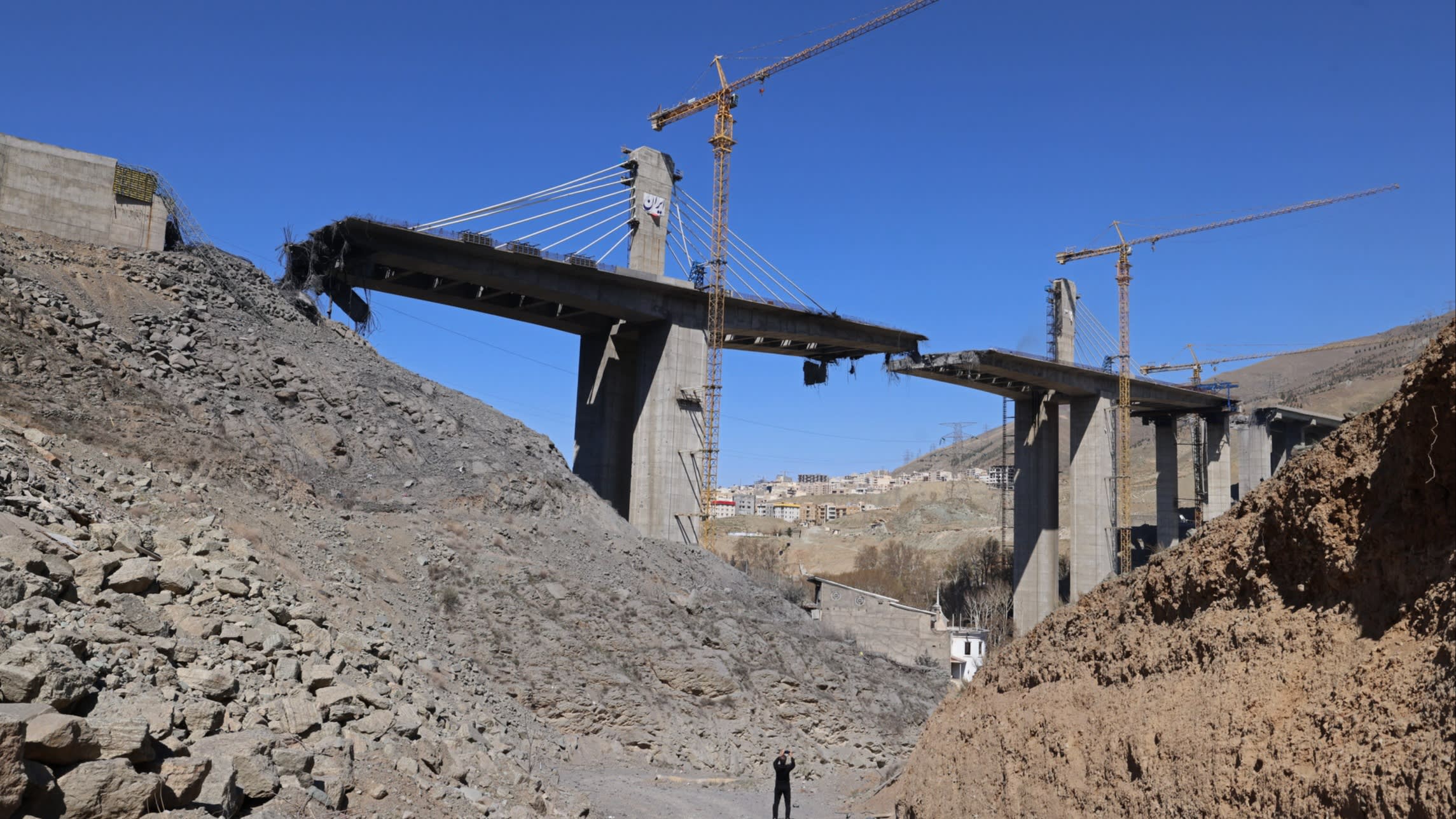
Infrastructure development across the region could face secondary effects, as sovereign capital traditionally allocated to long-term projects may be redirected toward defensive positions or emergency reserves. Gulf Cooperation Council states have invested heavily in economic diversification away from hydrocarbon dependence, with mega-projects in logistics, tourism, and renewable energy forming cornerstones of post-oil economic strategies. Prolonged instability would complicate financing for these initiatives, potentially extending timelines and increasing capital costs. Regional banks, already navigating domestic credit challenges, would likely tighten lending standards, further constraining capital-intensive development.