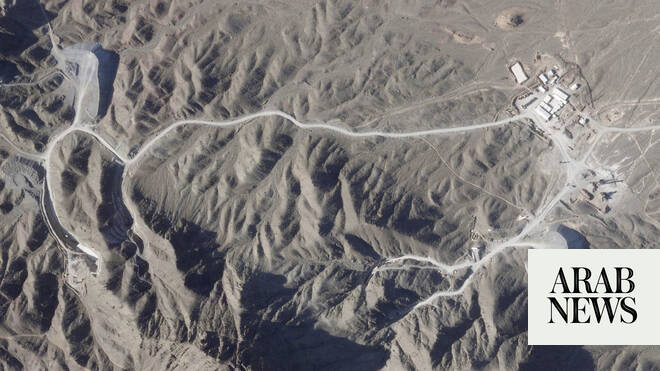

The indefinite suspension of high-resolution satellite imagery across the MENA region by Planet Labs represents a fundamental disruption to regional data transparency and business intelligence frameworks that extends beyond mere national security protocols. This governmental directive creates immediate operational challenges for multinational enterprises, infrastructure developers, and financial institutions that rely on real-time geospatial intelligence for asset monitoring, supply chain risk assessment, and portfolio valuation across the Middle East’s critical economic corridors. The move effectively establishes a new paradigm in information economics, where sovereign interests directly impede private sector access to commercially available space-based assets, potentially reshaping investment calculations for billions of dollars in regional infrastructure projects currently underway from the GCC nations to North Africa, while elevating sovereign risks for multinationals operating within geopolitical constraints.
From sovereign capital and venture capital perspectives, this restriction accelerates the strategic divestment from Western-dominated space technology ecosystems, positioning Gulf sovereign wealth funds like Saudi Arabia’s PIF and the UAE’s Mubadala to reposition significant portions of their technology portfolios toward indigenous satellite capabilities and alternative data providers. The crackdown may catalyze substantial regional investment in domestic space programs as nations diversify away from reliance on US-controlled Earth observation systems, creating unprecedented opportunities for specialized data analytics firms operating under sovereign frameworks. Concurrently, venture capital activity in MENA’s space-tech sector is expected to surge, with existing portfolio companies experiencing accelerated investment cycles amid heightened demand for localized, government-secured geospatial solutions that can bypass international restrictions while maintaining competitive intelligence advantages.
Beyond immediate financial implications, this restriction fundamentally alters regional infrastructure development paradigms, threatening transparency in mega-projects valued at over $1.5 trillion across the Gulf, Levant, and North Africa. Critical infrastructure from energy facilities to transportation networks now face unprecedented monitoring challenges, potentially creating significant valuation uncertainties for regional bond markets and infrastructure debt instruments. The broader MENA economic strategy, which has increasingly integrated satellite data into smart city frameworks and national security architectures, now confronts an urgent need to recalibrate its technological dependencies. This unprecedented information void will likely accelerate the region’s trajectory toward diversified space-based data ecosystems while simultaneously elevating sovereign risks for multinational corporations, potentially reshaping the competitive landscape in favor of indigenous capabilities and regional alliances capable of countering information asymmetries in an increasingly fragmented geopolitical environment.