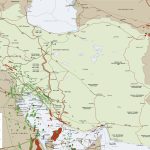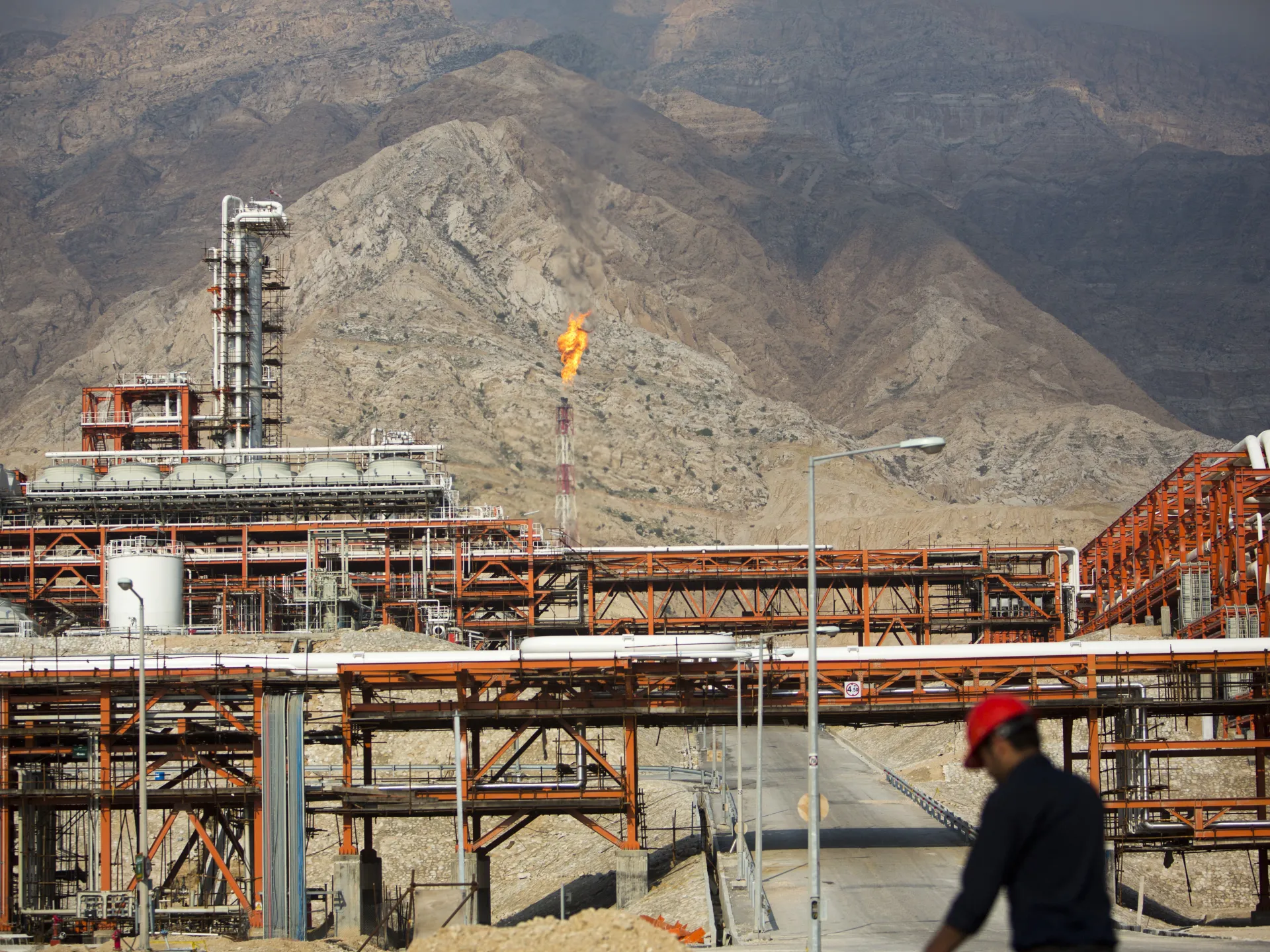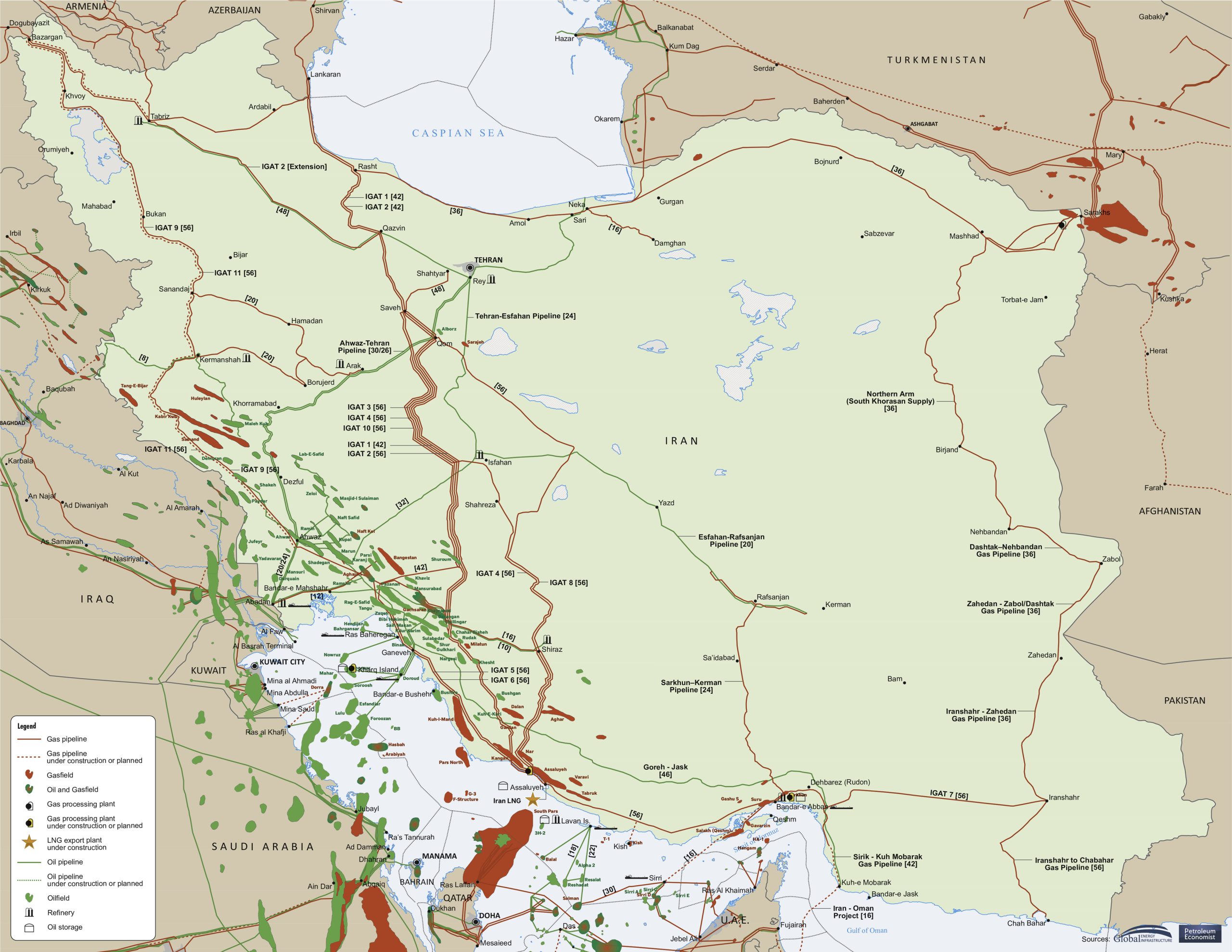

The recent escalation in the Middle East, culminating in attacks on commercial vessels in the Persian Gulf, has sharply accelerated the strategic diversification of oil infrastructure in the region, presenting significant implications for sovereign capital allocation, venture capital investment, and regional energy security. The effective closure of the Strait of Hormuz, a vital global oil transit route, has underscored the critical need for alternative pathways, primarily highlighted by Saudi Arabia’s East-West pipeline network (Petroline) and the United Arab Emirates’ Abu Dhabi Crude Oil Pipeline (ADCOP).
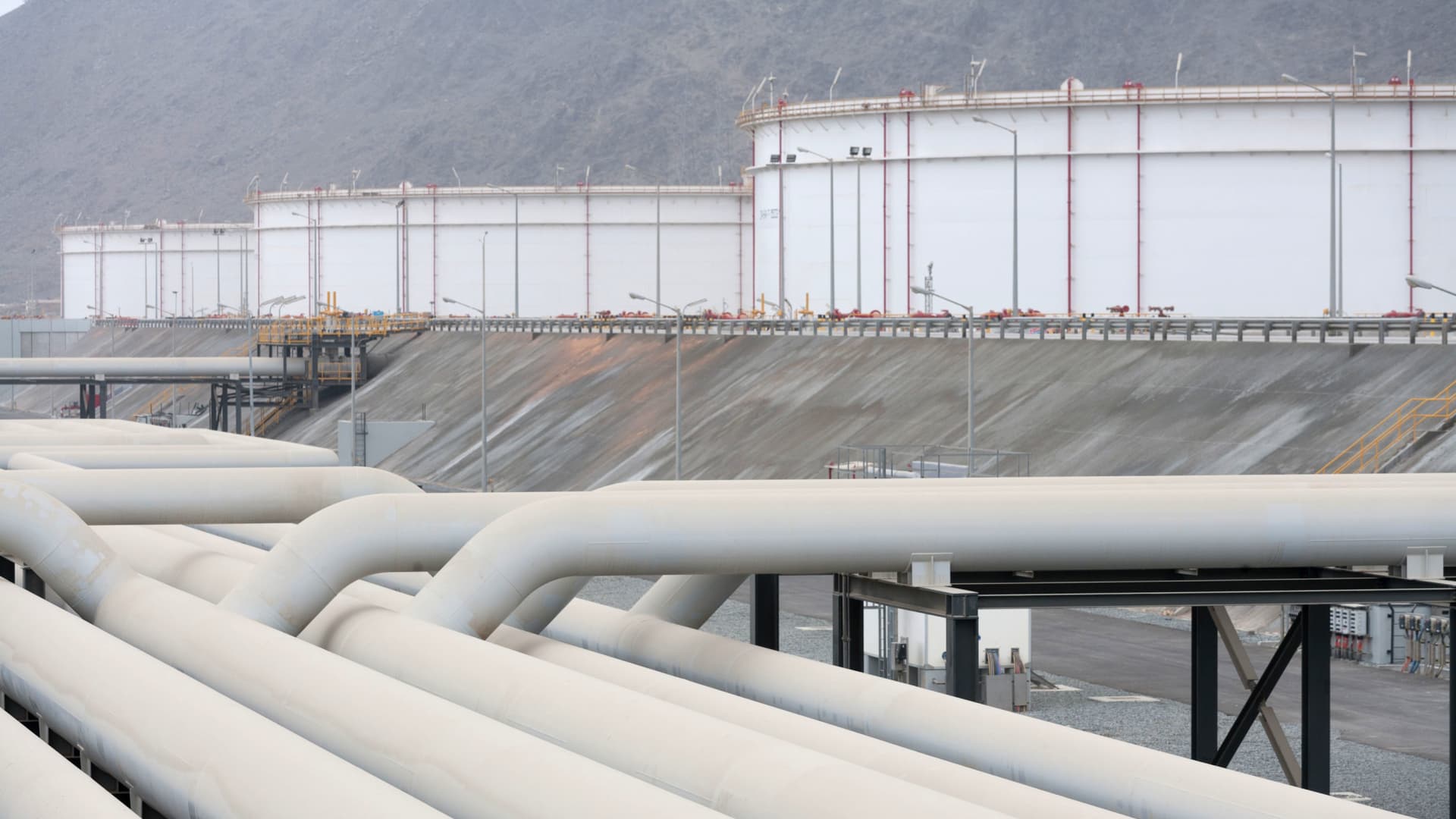
Saudi Aramco’s Petroline, a 750-mile pipeline connecting Abqaiq to Yanbu with a design capacity of 7 million barrels per day, represents a substantial sovereign investment in energy infrastructure. Expansion projects are nearing full capacity, indicating a strategic move to mitigate reliance on a single chokepoint. ADCOP, with a capacity of approximately 1.8 million barrels per day, serves as a complementary pipeline facilitating crude oil exports to Fujairah, bypassing the Strait. This infrastructure development is attracting considerable venture capital, focused on optimizing pipeline operations, enhancing security measures, and supporting the integration of renewable energy solutions within the broader energy ecosystem. The capacity of both pipelines, while representing a partial offset to Hormuz’s typical throughput, is contingent upon the stability of the region and successful mitigation of associated infrastructure risks, notably the potential for further attacks.
The strategic importance of these pipelines extends beyond logistical considerations, influencing regional geopolitical dynamics and investment flows. The sustained utilization of bypass infrastructure presents opportunities for increased investment in refining capacity, particularly in countries like the UAE which are increasingly prioritizing domestic product exports. However, the ongoing volatility in oil markets and the potential for supply disruptions necessitates careful financial management for sovereign entities. The UAE’s recent closure of the Ruwais refinery underscores that the transition to alternative oil pathways is not without its challenges. Furthermore, the geopolitical landscape necessitates significant capital investment in cybersecurity and physical security for these critical infrastructure assets, thereby diverting resources from other potentially higher-return ventures.
The impact of these developments reverberates through the entire energy value chain. Refining operations face potential curtailments due to stranded crude and logistical constraints, while global oil prices exhibit significant volatility. The long-term viability of these alternative pathways hinges on sustained regional stability and a commitment to robust cybersecurity protocols. Sovereign capital and venture capital deployments must be strategically aligned with these evolving energy realities, prioritizing projects that enhance resilience, promote diversification, and contribute to a more secure and sustainable energy future for the Middle East and North Africa.