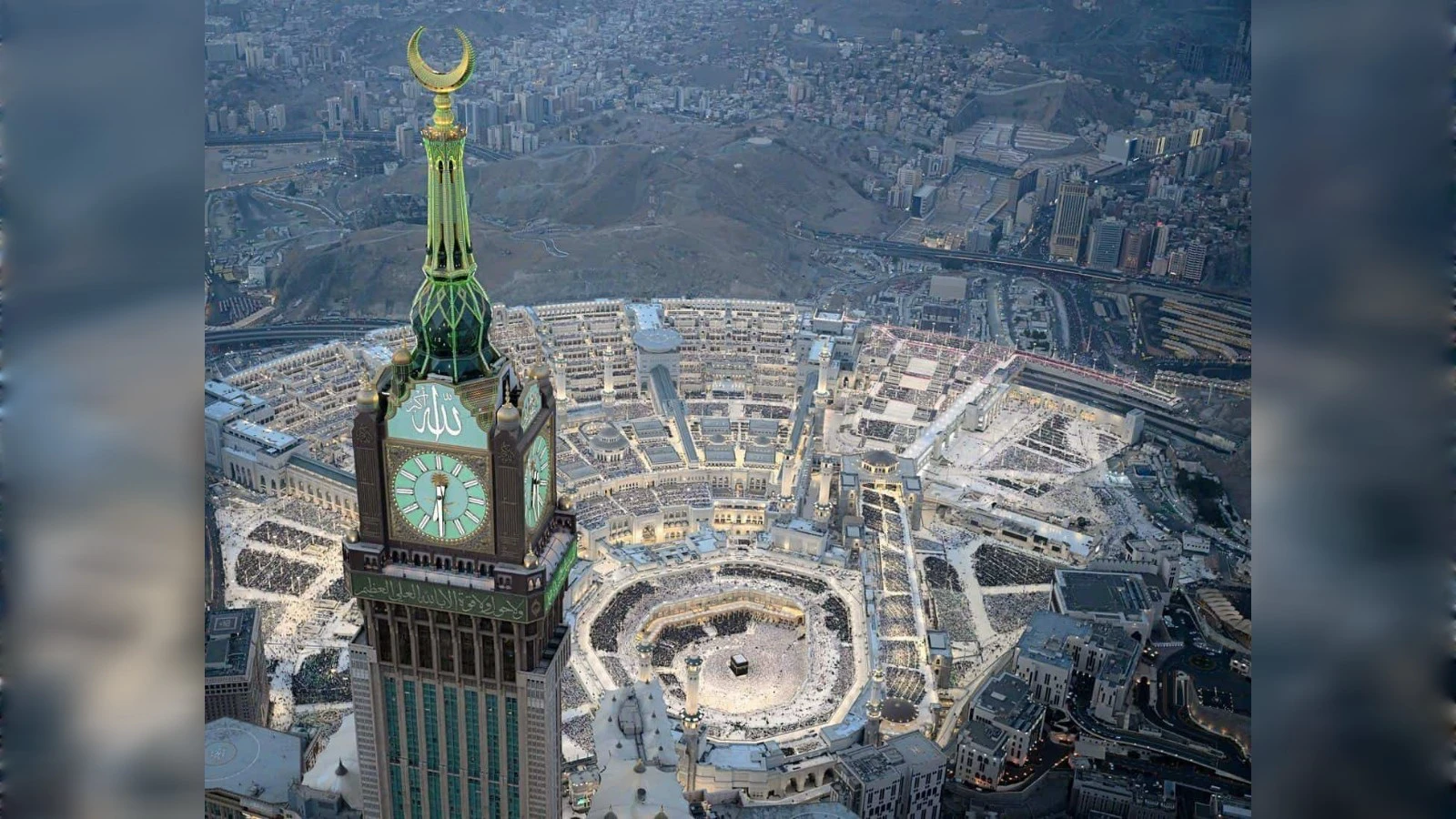

Saudi Arabia’s latest sovereign‑backed initiative—an international‑standard airport at the holy city of Makkah—has moved from concept to the finalisation of its strategic and economic framework, according to Saleh Al‑Rasheed, CEO of the Royal Commission for Makkah City and the Holy Sites. The project will be financed through a series of private‑sector partnerships, mirroring the Kingdom’s broader Vision 2030 agenda of leveraging sovereign capital to catalyse venture‑type financing in high‑growth, socially critical infrastructure. By preserving the operational viability of nearby hubs such as King Abdulaziz International Airport, the new gateway aims to diversify the aviation ecosystem, create a competitive bidding environment for global aerospace firms, and unlock a pipeline of downstream services ranging from ground‑handling to digital passenger platforms.
From a business‑impact perspective, the airport is expected to cut pilgrimage transit times by up to 45 percent, directly translating into higher per‑capita spending by Hajj and Umrah visitors. Early feasibility studies suggest a potential 30‑40 percent increase in pilgrim throughput, which would inject an estimated US$5‑7 billion annually into the domestic economy. The ancillary effects extend to the real‑estate and hospitality sectors, where private equity funds are already scouting opportunities for mixed‑use developments around the projected terminal. Moreover, the accompanying Makkah Metro, now exiting its design phase, will create a 150‑kilometre rapid‑transit spine that will be a magnet for infrastructure‑focused sovereign wealth fund (SWF) allocations and regional construction consortia.
These projects sit within a wider “Smart Makkah” programme that deploys AI‑driven crowd‑management tools and an upgraded public‑transport network comprising 400 buses, a digitised taxi fleet, and a 200‑bed emergency hospital. The integration of advanced mobility solutions is intended to raise pilgrim‑satisfaction scores above 90 percent, a metric that directly influences future visa allocations and the Kingdom’s bargaining power in the global pilgrimage market. Sustainability components—tree‑planting, shaded walkways, and water‑recycling infrastructure—are also being monetised through green bonds, offering an additional layer of capital‑raising avenues for ESG‑focused investors.
Collectively, the airport, metro, and smart‑city upgrades represent a strategic inflection point for the MENA region’s infrastructure landscape. By marshalling sovereign wealth, attracting venture‑style equity, and embedding technology at the core of service delivery, Saudi Arabia is constructing a replicable model for large‑scale, pilgrim‑centric development that could reshape mobility, tourism, and capital flows across the Gulf and beyond.